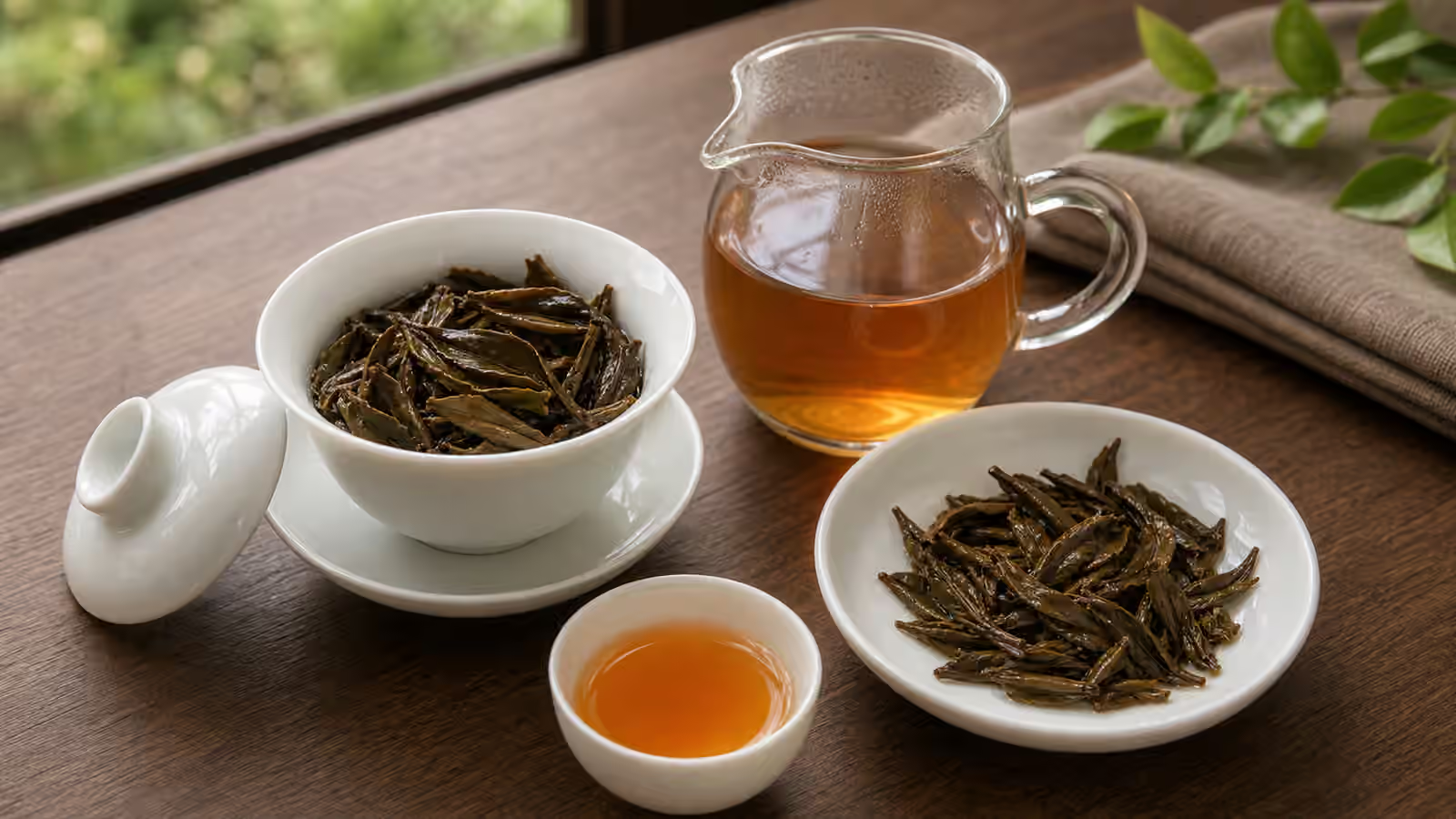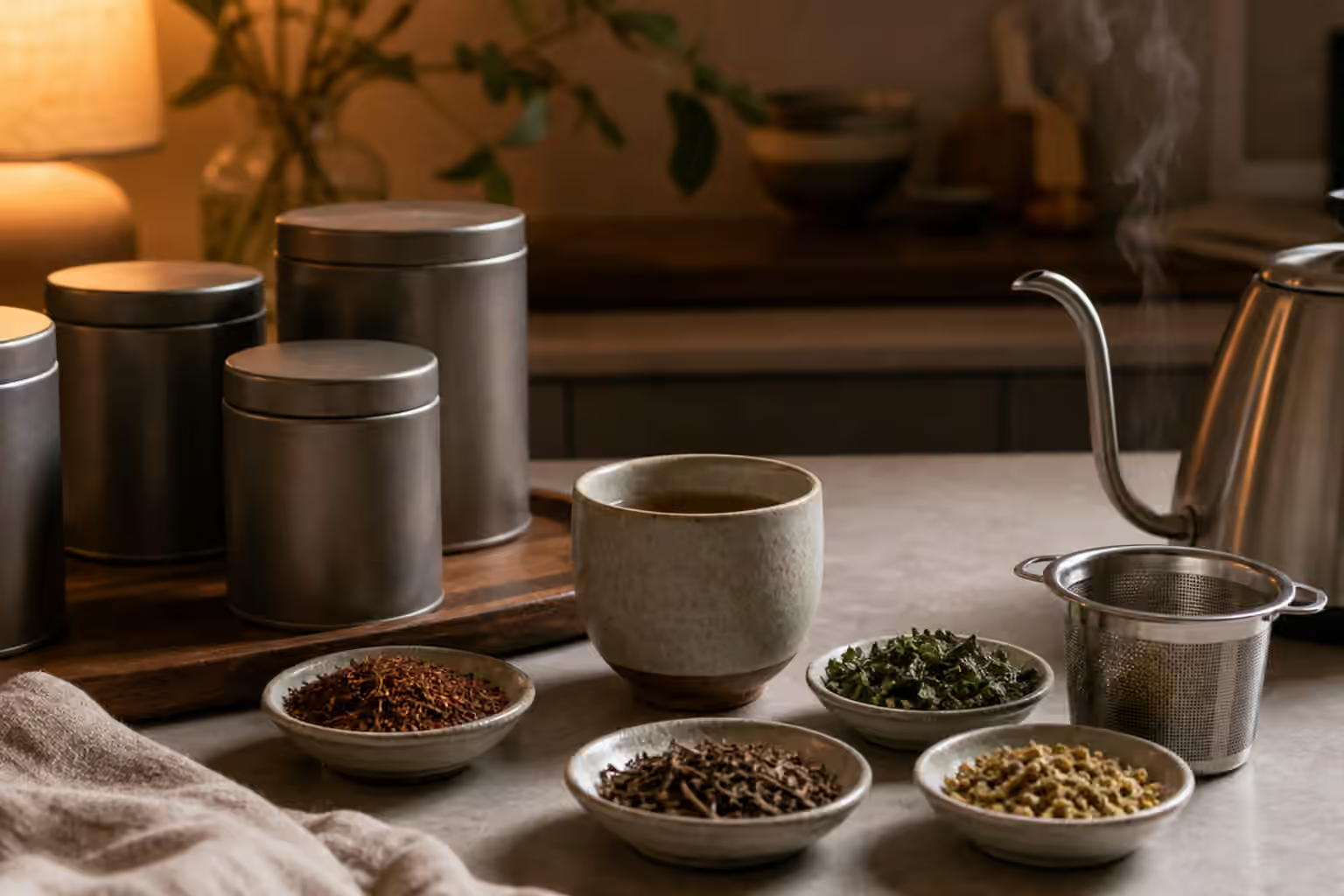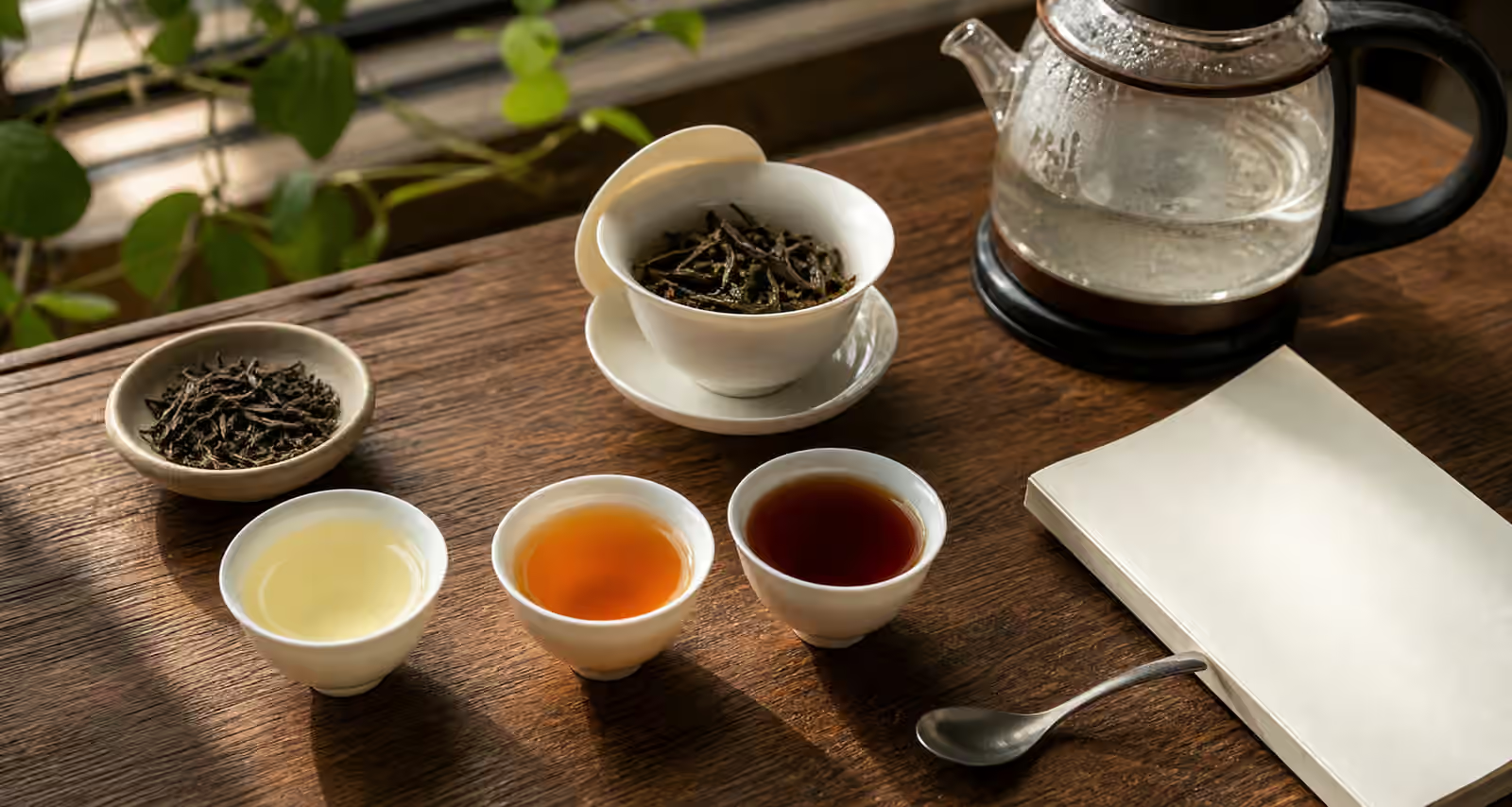
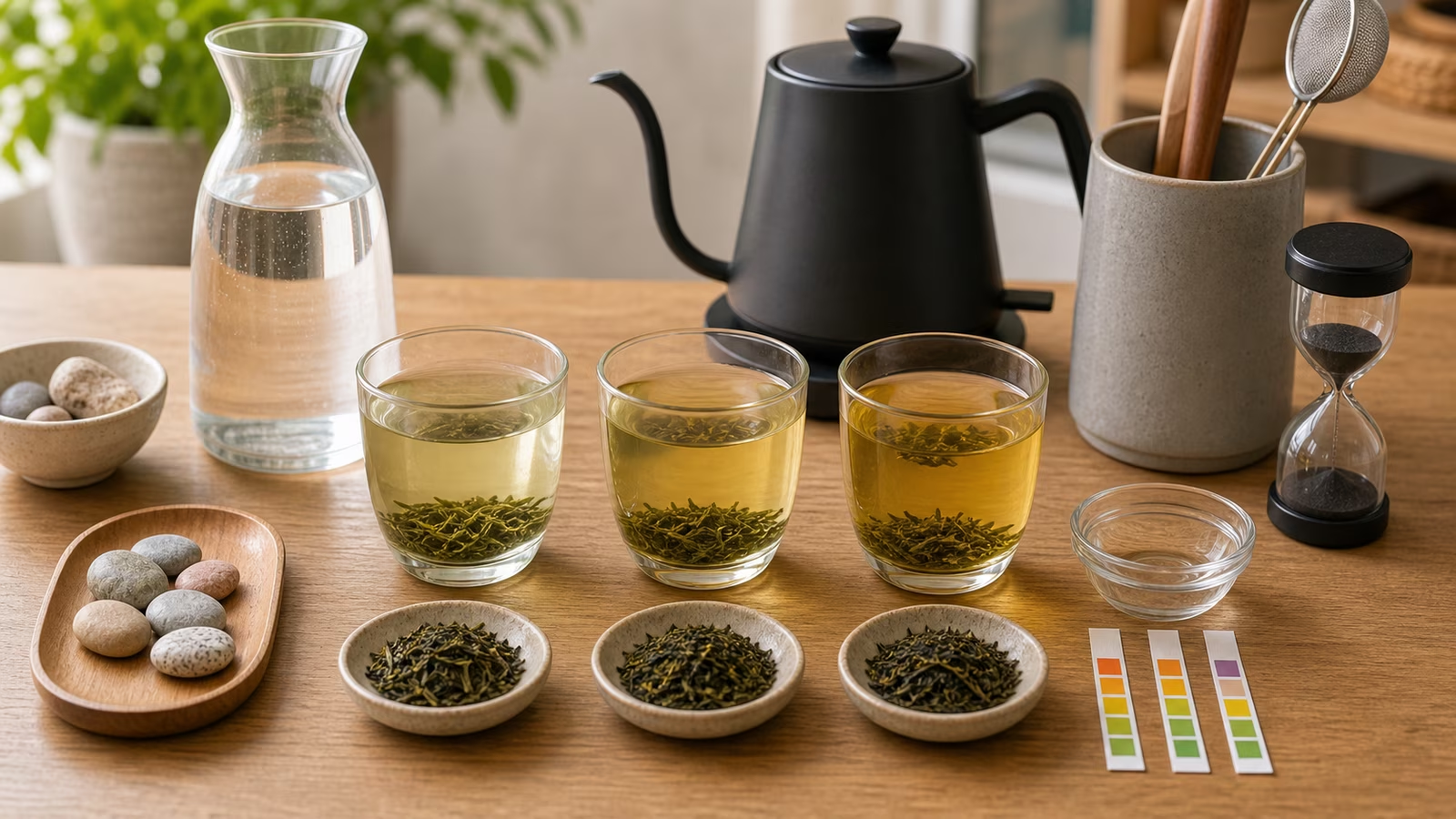
A finished cup of tea is somewhere between ninety-eight and ninety-nine percent water, so it should not surprise anyone that the water carries most of the flavor’s fate. Yet water is the ingredient people spend the least time thinking about. They will chase a rare spring green or a decade-aged pu-erh and then brew it in whatever comes out of the tap, hot and chlorinated, and wonder why the cup tastes flatter than the shop’s sample. The leaves were never the problem. If you have ever taken the same tea to a friend’s house and found it tasting like a different tea entirely, you have already run the experiment that this guide is built around.
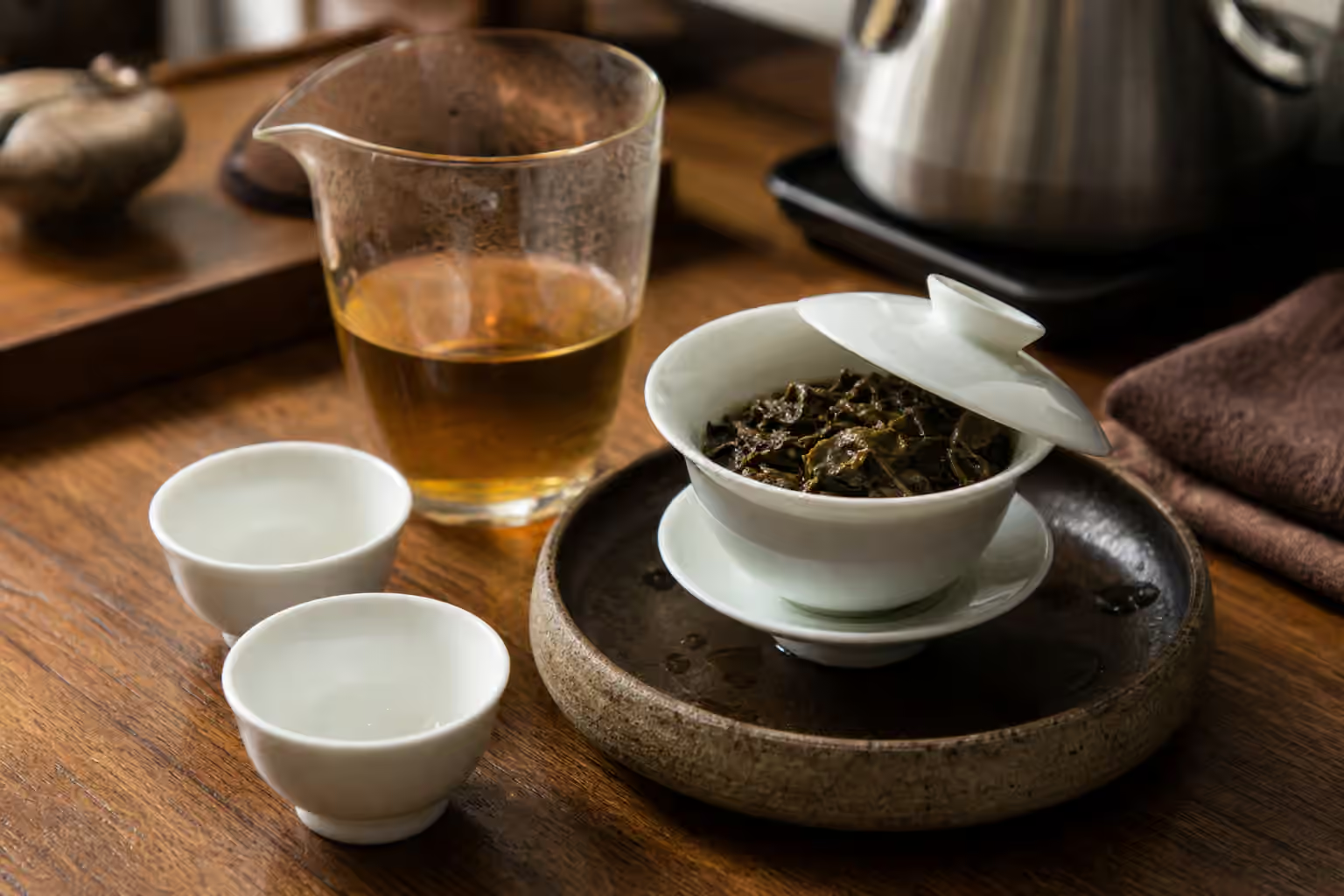
What water actually is when it hits the leaf
Tap water is not a blank slate. It arrives carrying dissolved minerals, mostly calcium and magnesium, plus whatever the utility adds to keep it safe on its way to you: usually chlorine or chloramine, sometimes a little added alkalinity to keep the pipes from corroding. Each of those passengers changes what the leaf can give up. The minerals are the ones that matter most for taste, because tea flavor is largely a negotiation between the compounds locked in the leaf and the minerals in the water that coax them out or hold them back.
Hardness is the shorthand for how much calcium and magnesium the water carries. Soft water, low in both, tends to pull briskly and expressively from the leaf; it lets aromatics and bitterness come forward, which can make a delicate green sing or make an aggressive black tea taste sharp and thin. Hard water, heavy in calcium especially, mutes and rounds. It can smother the top notes of a fragrant oolong so that the cup smells of almost nothing, and it can leave a faint chalky flatness on the finish. Neither is universally right. A tea that tastes harsh and edgy in very soft water can taste balanced in medium water, and a tea that vanishes in hard water can come alive in something softer.
Chlorine, chloramine, and the smell you stop noticing
Chlorine is the easiest villain to catch, because your nose already knows it. That faint swimming-pool note in a warm mug does not cook away entirely, and it drags a dull, slightly medicinal edge across whatever you brew. The good news is that chlorine is also the easiest thing to remove. A basic carbon filter, the kind in an inexpensive pour-through pitcher, strips most of it. Letting an open container of water sit out overnight lets a fair amount of free chlorine dissipate on its own. Chloramine, which more utilities now use because it is more stable, is stubborn by design and does not air off the way chlorine does, so a carbon filter earns its place here more than patience does. If your tap water smells clean and tastes clean cold, it will almost always brew cleaner than water you have to hold your breath around.
The sweet spot most tea drinkers are chasing
The frustrating truth is that both extremes disappoint. Distilled or heavily reverse-osmosis water, scrubbed down to almost nothing, sounds like it should be the purest choice, but tea brewed in it often tastes hollow and lifeless, missing the body that a little mineral content provides. Very hard water goes flat and dull in the other direction. What most people are quietly looking for is water with a modest, balanced mineral content: enough to give the cup structure, not so much that it clamps down on aroma. If your local water lands somewhere in the middle and tastes pleasant on its own, a simple carbon filter to handle the chlorine is frequently all the intervention you need. The hobbyists who mix their own brewing water from distilled bases and mineral additions are solving a real problem, but it is a problem most drinkers do not have, and it is the last thing to worry about rather than the first.
Heat, and the kettle habits that quietly matter
Water changes character as it heats, and the temperature you pour is part of the recipe, not a detail. Delicate greens and whites turn bitter and vegetal when scalded, so water pulled off the boil and rested, or heated deliberately to a lower target, keeps them sweet and soft. Robust blacks, roasted oolongs, and pu-erh want full, rolling heat to open properly and can taste weak and underdeveloped if the water is too shy. A kettle that lets you set or at least judge temperature removes an entire category of guesswork, which is why so much of tea practice quietly circles back to the kettle. If you want to go deeper on that dial, Brewing Temperature and Time Without Guesswork and Electric Kettles and Temperature Control both build directly on what water does here.
One kettle habit does more harm than people realize: reboiling the same water again and again, or topping up a half-empty kettle and boiling it once more. Each boil drives off dissolved gases and nudges the mineral balance, and the cumulative result is a flatter, staler cup. Starting each session with fresh cold water and heating only what you will use keeps the cup lively. It is a small ritual, but it is the kind of small ritual that separates a consistently good cup from a randomly good one.
Reading the cup when something is off
When a brew disappoints, water is worth suspecting before you blame the leaf. If the cup tastes harsh or biting, the first moves are to lower the heat, shorten the steep, or use a little less leaf, and to change only one of those at a time so you can tell which one helped. If the cup tastes flat or hollow instead, look toward fresher tea, cleaner or softer water, slightly more leaf, or a touch more time. And when a cup simply tastes confusing, the fix is not another adjustment but a plain note to yourself about its aroma, body, sweetness, dryness, and finish, so the next cup has a baseline to move away from. You do not need formal tasting vocabulary for any of this. “Smells faint, tastes chalky” points straight at hard water; “clean but thin” points toward mineral content that is too low. The words only have to be honest enough to guide the next kettle.
This kind of noticing is the same muscle that other crafts train, which is why the Coffee Mastery water guide reads as a natural companion to this page. Coffee is even more water-dependent than tea, and the people who fuss over brewing water for espresso are chasing the same balance of minerals and cleanliness described here.
Where the health boundary sits
Water quality for flavor is not the same conversation as water safety or the caffeine content of what you drink. This guide is about taste, not nutrition or medicine. If caffeine sensitivity, pregnancy, medication interactions, or a specific medical condition is part of your decision about what and how much tea to drink, treat that as a question for a qualified clinician who knows your situation, not something a tea guide can answer for you.
Where to go from here
Start by tasting your own tap water cold and honestly, then brew a familiar tea in it, and brew the same tea again in filtered or bottled water so the difference stops being theoretical. Once you can taste what your water is doing, the rest of the practice follows naturally: pair this with The Tea House for Beginners: Leaf, Water, Heat, and Time to place water inside the larger brewing picture. Fix the water first, change one variable at a time, and keep a light note on what changed. That single habit will improve more cups than any rare leaf ever could.