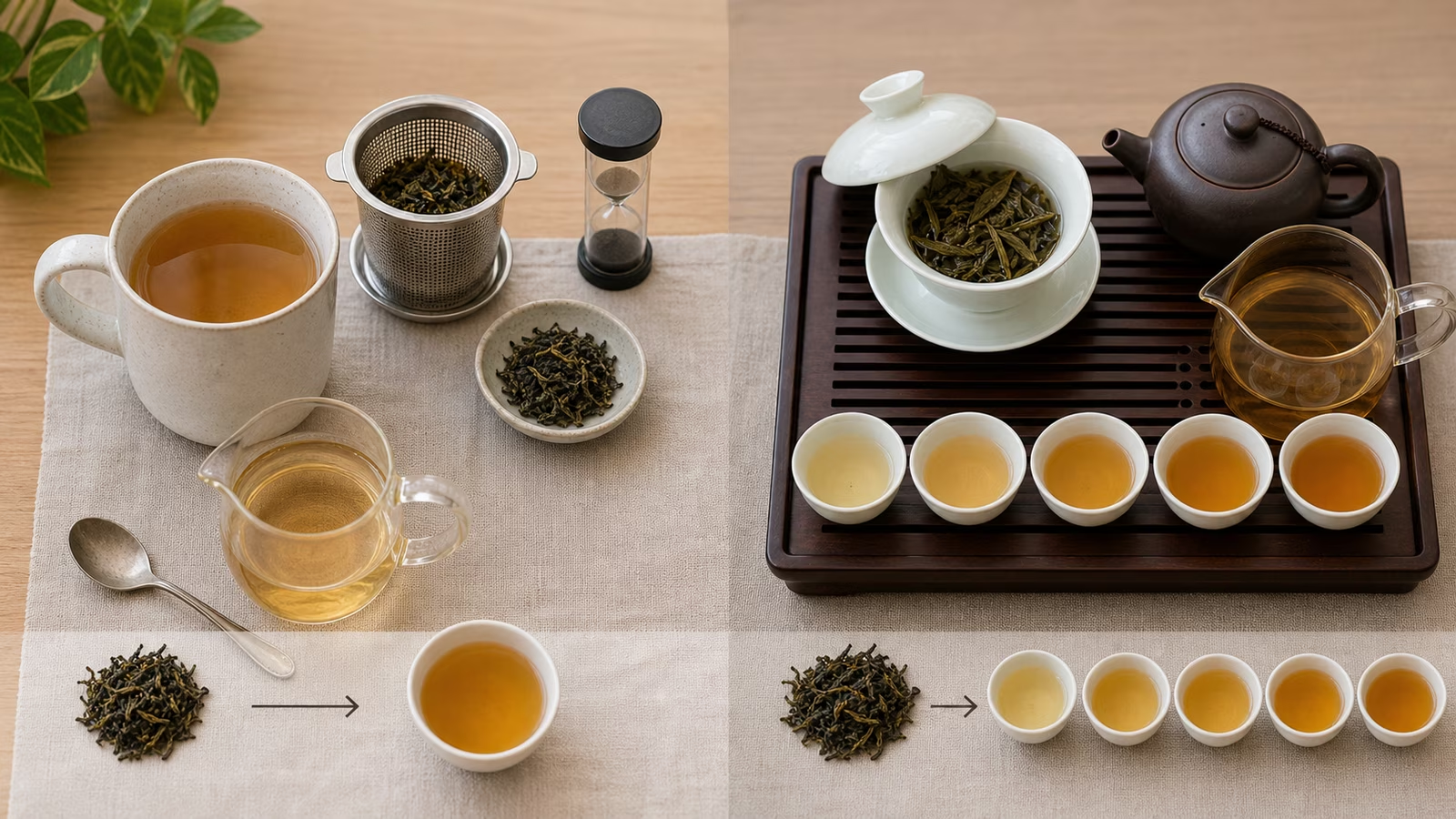
There are two broadly different ways to get flavor out of a tea leaf, and the argument between them is really an argument about ratio and time. In the Western style, a small amount of leaf meets a large amount of water for a long stretch, and you drink the result once. In the gongfu style, a large amount of leaf meets a small amount of water for a few seconds at a time, and you drink the result again and again, watching the same leaves tell a different part of the story with each pour. Neither method is more correct. They are two lenses on the same leaf, and knowing when to reach for each is one of the most useful things a tea drinker can learn.
The Western cup: dilute, long, and forgiving
Western brewing is what most of the world means by “making tea.” A teaspoon or two of leaf, a full mug or pot of water, and a steep measured in minutes rather than seconds. Because the ratio of water to leaf is generous, the extraction happens slowly and the margin for error is wide; a minute too long rarely ruins the cup, and you can walk away, answer an email, and come back to something perfectly drinkable. This is brewing built for daily life. It suits a mug on a desk, a pot shared over breakfast, a tea you want to add milk to, and any moment when the point is a warm, satisfying drink rather than a study session.
The tradeoff is that a single long steep pulls everything out at once and hands it to you in one blended sip. The bright top notes, the body, and the tannic backbone all arrive together and average into a single impression. That is often exactly what you want. But it also means the cup shows you the tea’s overall character rather than its unfolding, and a truly complex leaf can feel slightly compressed, as though you heard a whole song played as a single chord.
The gongfu cup: concentrated, brief, and revealing
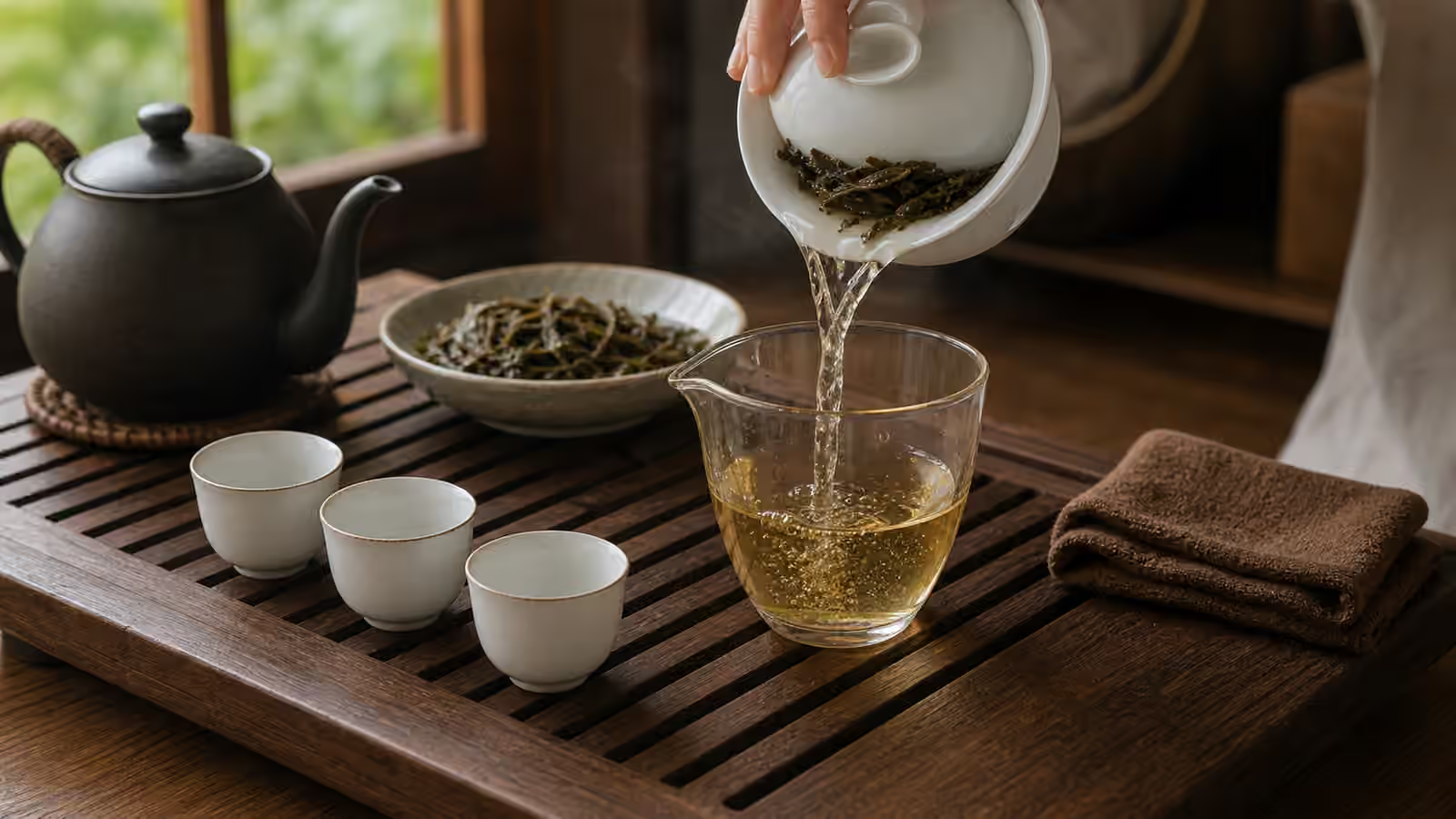
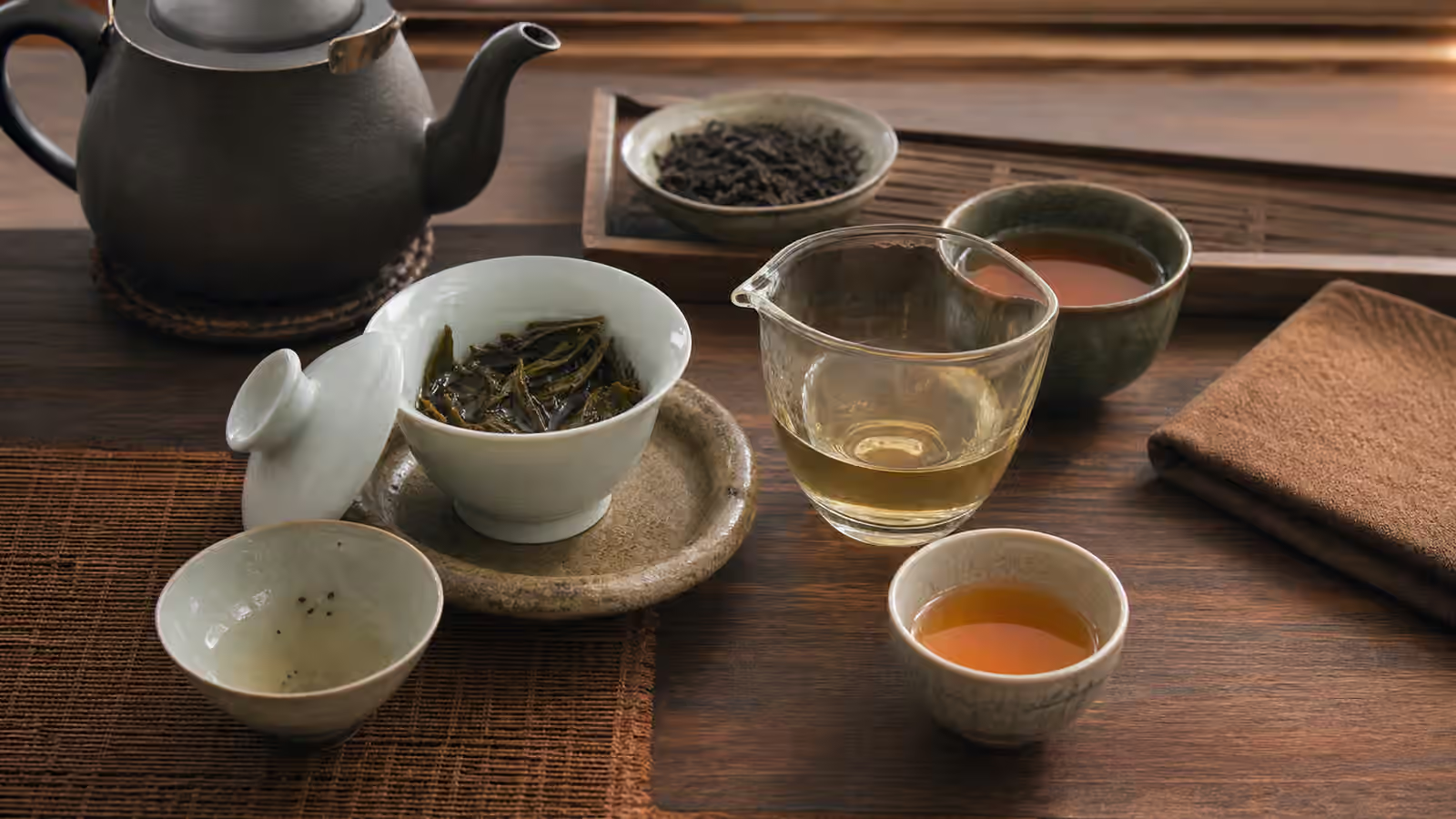
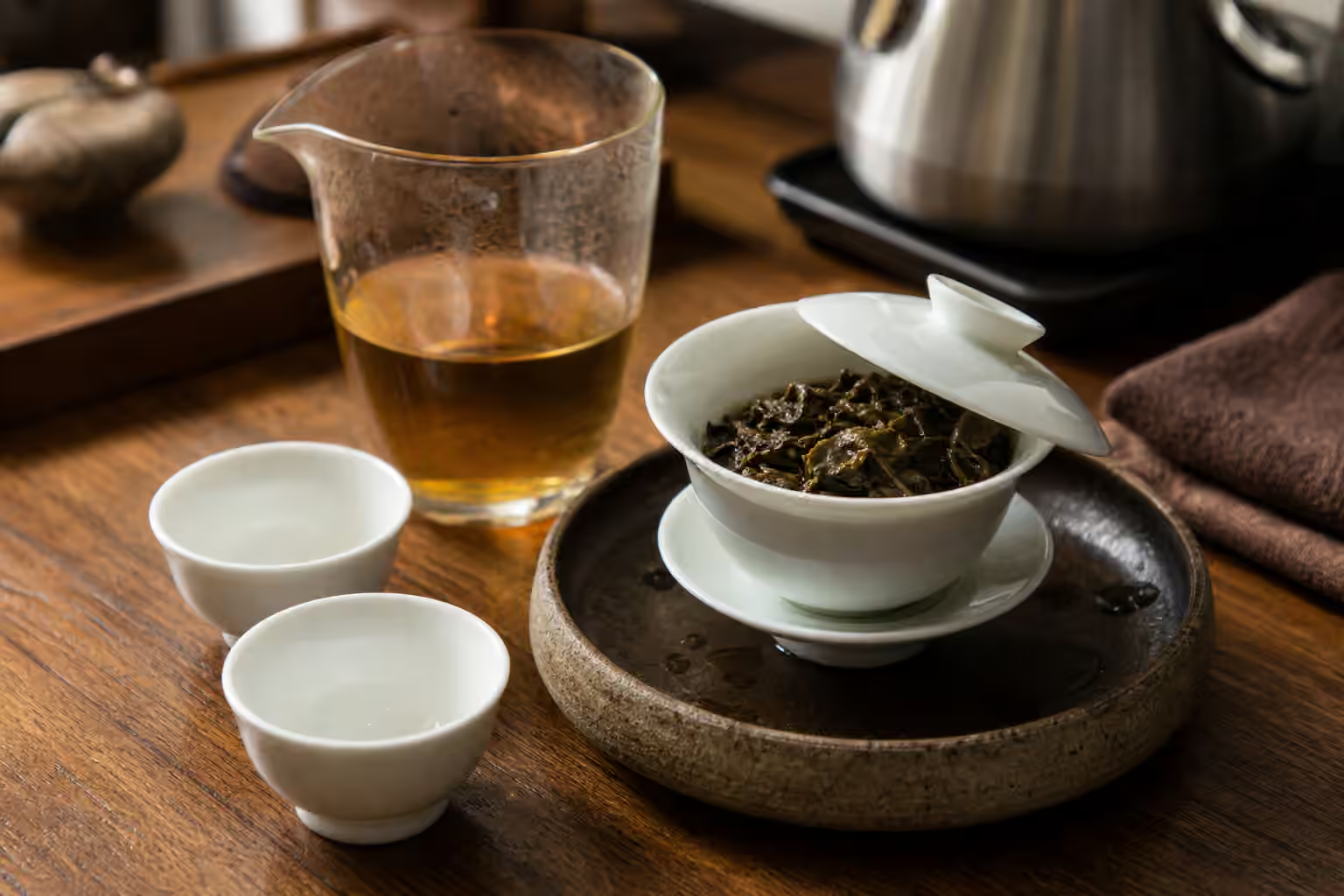
Gongfu brewing inverts almost every number. You pack the vessel, usually a small gaiwan or clay pot, with far more leaf relative to the water, and then you steep for a very short time, sometimes only a handful of seconds, before pouring the whole infusion off. Then you do it again. And again. A good leaf will give five, eight, sometimes a dozen or more infusions, and the interesting part is that no two are quite the same. The first pours might be bright and aromatic, the middle ones round and sweet and full-bodied, the later ones softening into something quieter and often unexpectedly floral or mineral. You are not brewing a cup; you are following an arc.
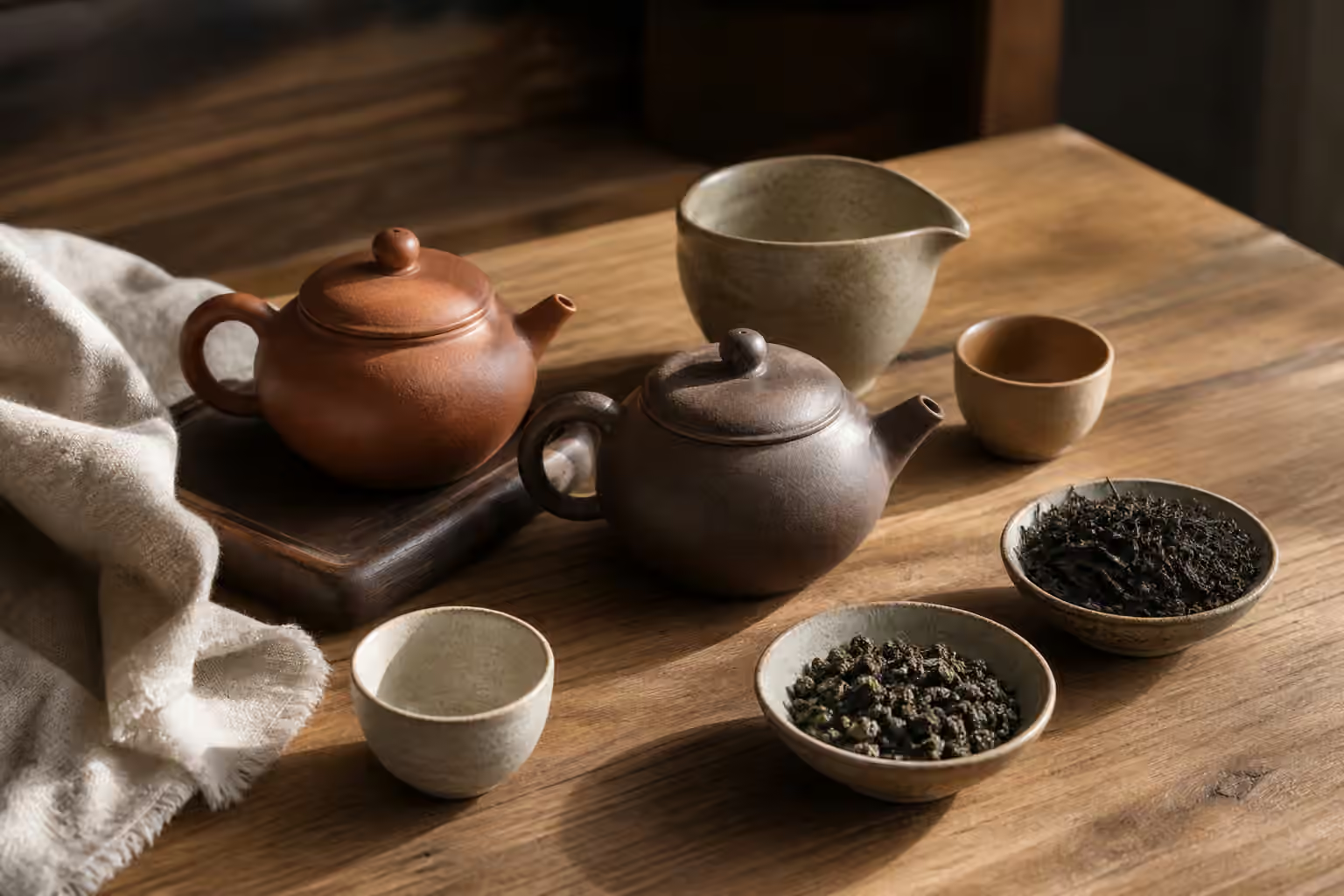
This method rewards attention and punishes distraction. Because the leaf is so concentrated, a few seconds too long tips a delicate infusion into bitterness, so you stay close, you pour promptly, and you adjust the timing pour by pour based on what the last cup told you. That closeness is the whole appeal for a lot of drinkers. It turns brewing from a chore into a small, absorbing practice, and it is the surest way to understand what an expensive oolong or aged pu-erh is actually doing. If the ceremony side of this draws you in, Gongfu Tea for Beginners walks through the motions in detail, and Teapots, Gaiwans, Kyusu, and Infusers covers the small vessels that make it manageable.
Which teas prefer which method
Some teas are indifferent and taste fine either way; a sturdy breakfast black is happy in a big mug and will not reveal much more in a gaiwan. But many teas clearly favor one approach. Complex, layered leaves, the kind sold as single-origin oolongs, aged pu-erh, or high-grade greens, tend to reward gongfu brewing because their whole point is the way they change across infusions, and a single long Western steep flattens that change into one note. Meanwhile, teas you drink for comfort and volume, or teas you want to hold milk and sugar, or anything you brew while genuinely doing something else, belong in the Western pot where forgiveness matters more than nuance. A good rule of thumb: brew for the tea’s ambitions. If the leaf is trying to tell you a story, give it the method that lets it unfold. Oolong Tea: Light, Roasted, Rolled, and Complex is a natural place to practice this, because oolongs sit right at the seam where the two methods diverge most audibly.
Rhythm, attention, and the life around the cup
The deeper difference between the two styles is not flavor at all; it is the shape of the time you spend. Western brewing folds into a busy morning without asking anything of you. Gongfu brewing asks you to slow down and stay present, and it gives that attention back as a more detailed experience. Choosing between them is often less about the leaf than about what you have to give the session. There is no virtue in performing an elaborate gongfu ritual when you are rushing out the door, and no shame in a five-minute mug on a hard day. The skilled drinker owns both and picks the one that fits the hour.
If you are deciding what to actually buy and set up, resist the temptation to acquire a whole cabinet of teaware before you have brewed anything twice. One reliable mug with a good infuser and one small gaiwan will let you run both methods and feel the contrast directly, and that contrast will teach you more than any amount of reading. The habit of learning gear by using it, rather than collecting it, carries across crafts; the Coffee Mastery equipment guide and the Coffee milk steaming guide make the same case from the espresso side, where the temptation to over-buy is even stronger.
A simple way to feel the difference
The fastest way to internalize all of this is to run one tea through both methods back to back. Take a leaf you know and like, ideally an oolong or a decent green, and brew a normal Western mug of it. Then, the same afternoon, brew the same leaf gongfu style: much more leaf, much less water, quick pours, several in a row. Taste them side by side and notice what each method surfaces and what it hides. The Western cup will feel rounder and more unified; the gongfu infusions will feel sharper, more separated, more talkative. Change only the method, keep the leaf and the water constant, and write down one honest line about what each brought out. That single experiment does more than any comparison chart, because you will have tasted the point rather than read it.
The health boundary
This guide is about brewing method and flavor, not about health effects or how much tea is right for your body. Gongfu brewing in particular produces small but concentrated cups, and it is easy to drink more infusions than you realize, so if caffeine sensitivity, pregnancy, medication interactions, or a medical condition shapes how much tea you should have, treat that as a question for a qualified clinician who knows your situation rather than something a brewing guide can answer.
Where to go next
Pick the method that matches your week, not your aspirations, and let the tea decide the rest. Once both styles feel familiar, the choice stops being a debate and becomes a reflex: the mug for living, the gaiwan for listening. Keep one tea, change only the method, and note what each one reveals; that habit will carry you further than any single recipe.