White tea is the least manipulated tea there is, and that simplicity is the whole key to understanding it. Where green tea is heated to halt oxidation and black tea is deliberately rolled and oxidized to the hilt, white tea is essentially just plucked and dried. The leaves are allowed to wither in air and gentle warmth and then stopped, with as little handling as anyone can manage. Because so little is done to it, white tea tastes close to the raw character of the leaf itself: soft, hushed, and often surprisingly sweet, with none of the roast or briskness that more processed teas layer on. If you come to it expecting the bold slap of a breakfast black, you will think nothing is happening in the cup. The pleasure of white tea is precisely that quietness, and learning to hear it is the skill.
What “white tea” actually covers
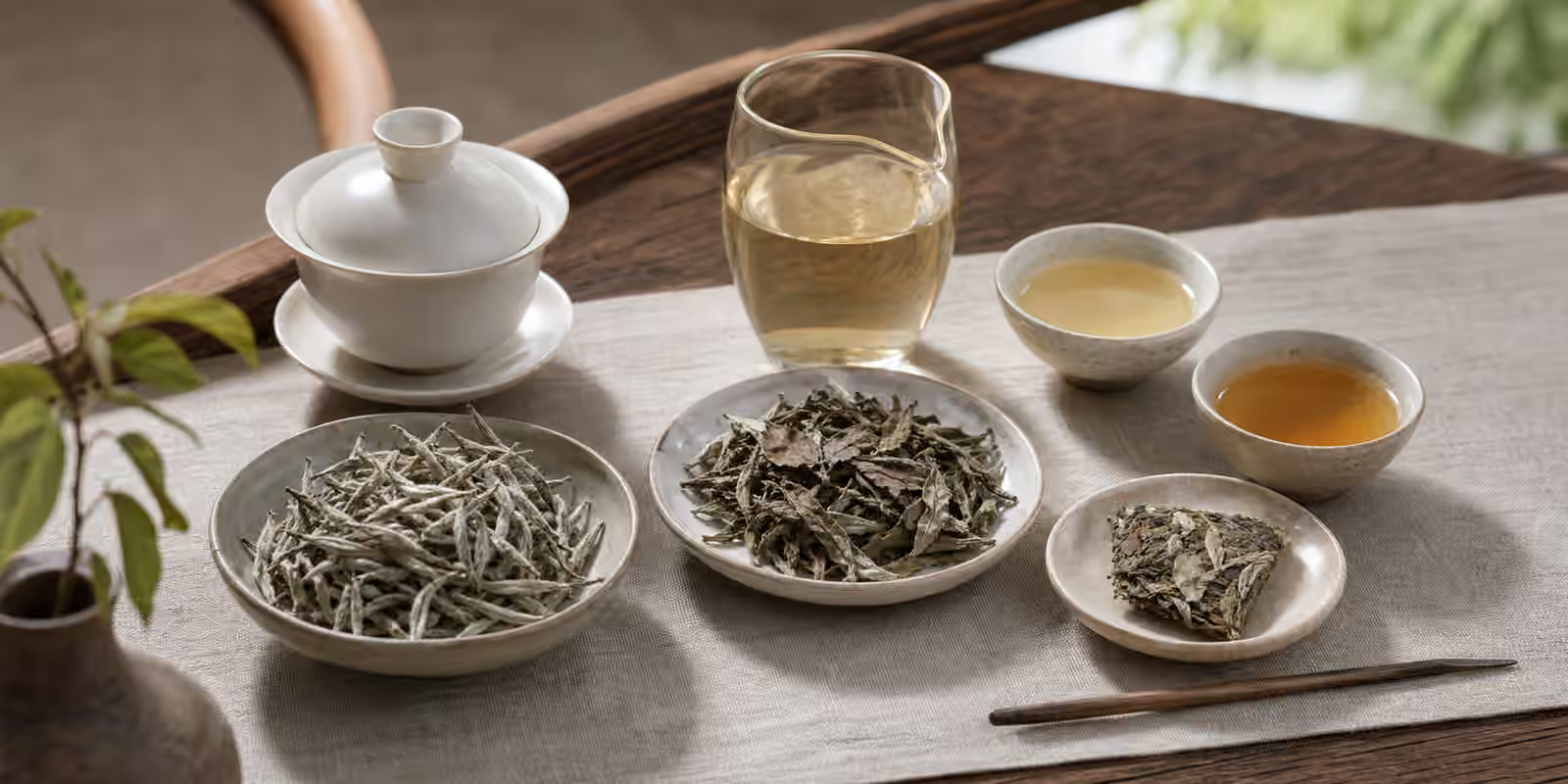
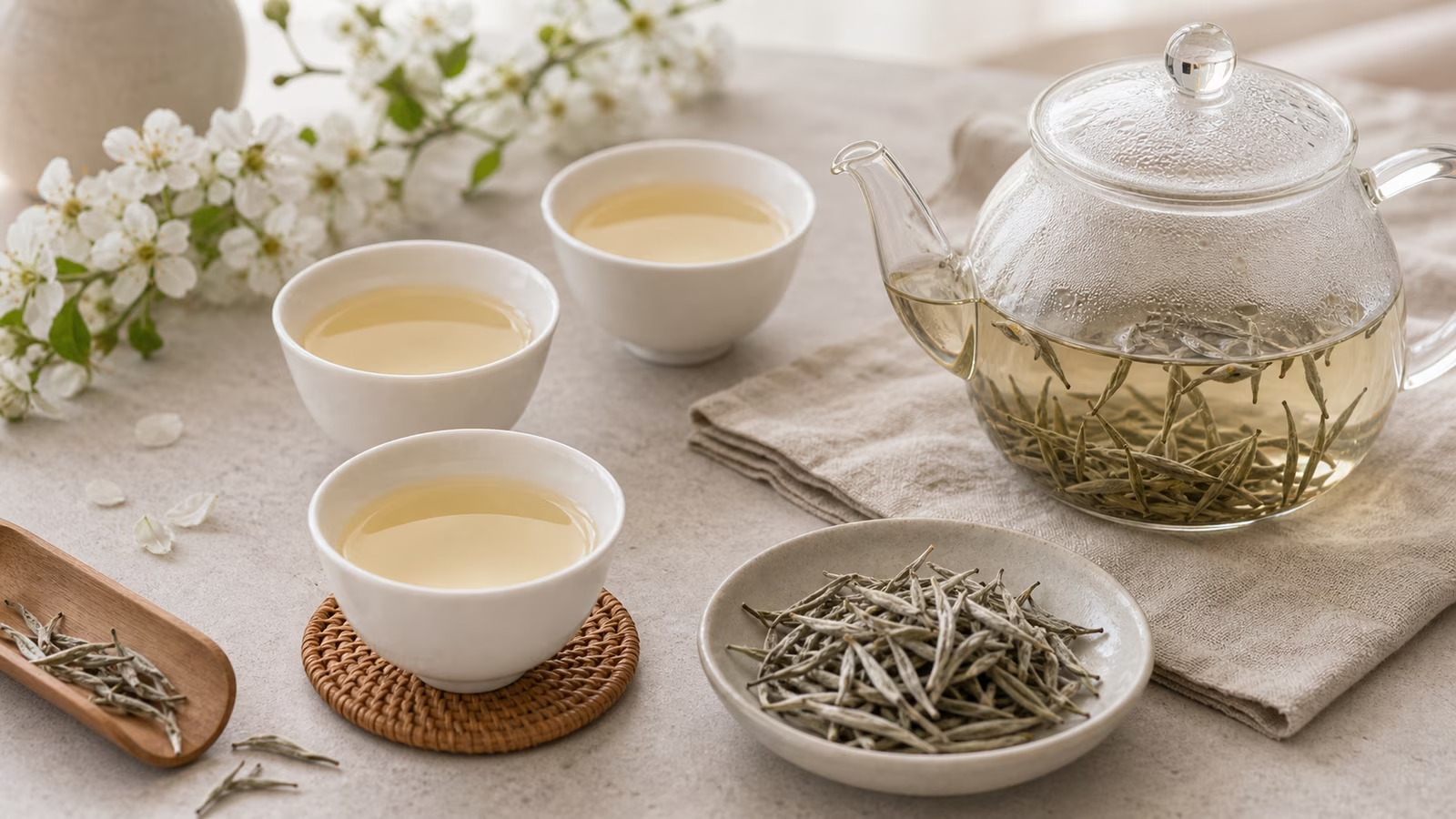
The name hides a real range. At the delicate end sits Silver Needle, made entirely of unopened buds, each one covered in fine silvery down; it brews pale and clean, with notes people reach for words like melon, hay, and honeysuckle to describe. A step down in refinement, and up in flavor, is White Peony, which includes young leaves alongside the buds and gives a fuller, slightly more savory cup with more body and a touch more depth. Beyond those you find broader-leaf whites, sometimes pressed into cakes and aged like pu-erh, which develop dried-fruit and honeyed richness over years. All of them share the minimal-processing lineage, but they are not interchangeable, and assuming a rustic leafy white will taste like a downy bud is the first mistake to avoid. When you see “white tea” on a label, read one step further to find out which kind you are holding.
The flavor, and why it hides at first
White tea speaks softly, and the flavors it offers are the pale, sweet, floral, and faintly fruity ones rather than anything dark or roasted. In a good white you might notice a cool sweetness up front, a texture that feels almost weightless, a whisper of something floral or melon-like in the middle, and a clean finish that lingers longer than you expect for something so light. The trouble is that these notes are easily drowned. Chlorinated tap water can flatten them into nothing; if your water tastes at all off, the delicate top notes of a white will be the first casualties, which is exactly why the Tea Water: Why the Same Leaves Taste Different page pairs so naturally with this one. Brew a white tea in clean, soft, filtered water and the same leaves that seemed to taste of “not much” suddenly bloom.
Brewing it without wringing it out
Here is where most people accidentally sabotage white tea: they hit it with fully boiling water, the way they would a black tea, and they oversteep it out of habit. Because white tea is so lightly processed, harsh treatment pulls a papery, faintly bitter dryness out of it that buries the sweetness underneath. Cooler water treats it far better. Pulling the kettle well off the boil, so the water is hot but not violent, lets the gentle sugars and florals come forward while leaving the astringency behind. Silver Needle in particular loves a softer, cooler brew and a patient, unhurried steep. If you want a reliable feel for the dial between too shy and too fierce, Brewing Temperature and Time Without Guesswork is the companion to keep open.
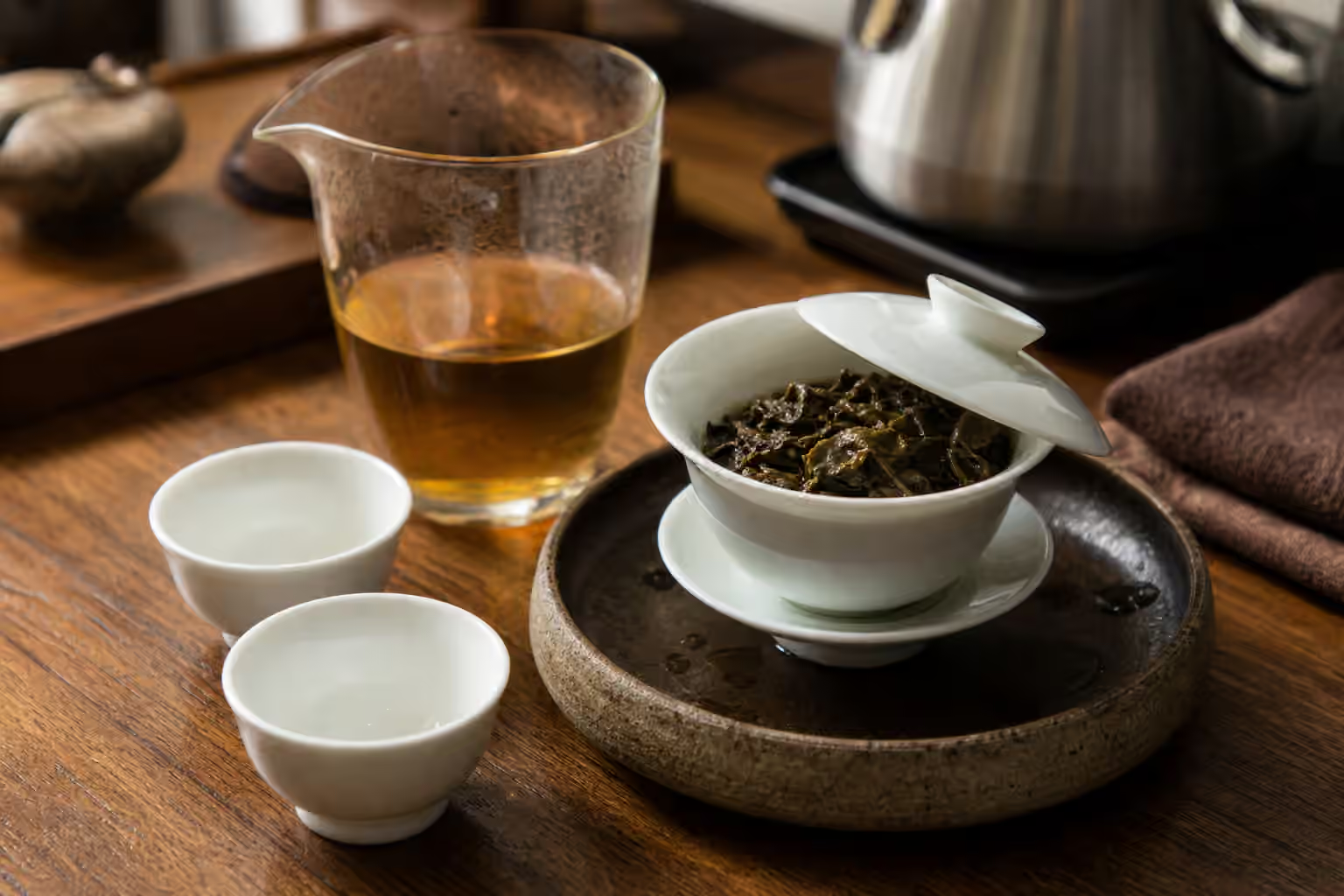
The other thing worth knowing is that white tea does not have to be a one-and-done cup. The same leaves reward multiple infusions generously, and often the second and third steeps are sweeter and rounder than the first, once the buds have fully opened and relaxed. Whether you brew it Western style in a mug or in short repeated pours, the leaf keeps giving, so resist throwing it out after a single steep. On a warm day, a light white also makes an unusually forgiving cold brew: a spoonful of leaf left in cold water in the fridge for several hours draws out the sweetness with almost none of the astringency, and it is nearly impossible to get wrong.
The overcomplication trap
Because white tea is expensive at the top grades and wrapped in a lot of romantic language, people sometimes treat it as a technical challenge that demands ceremony. It does not. The whole ethos of white tea is minimalism, and the brewing should match: decent water, gentler-than-boiling heat, a relaxed steep, and a willingness to taste slowly. Chasing an elaborate ritual or fussing over origin names as though they guaranteed quality misses the point. A modest White Peony brewed with care and attention will out-taste a prestigious Silver Needle scalded in hard water. Let the tea be simple, because simplicity is what it is for.
Where it sits among the tea families
If you are still mapping the landscape, it helps to place white tea against its neighbors. It sits at the delicate, low-oxidation end of the spectrum, near the greens, and far from the robust blacks and roasted oolongs. When you want bold body and something to stand up to milk, you look toward black tea, roasted oolong, or ripe pu-erh; when you want gentleness and lift, you reach for green, white, or a lightly oxidized oolong and use a softer hand with the heat. And when you want no true-tea caffeine at all, you leave the tea plant entirely for herbal infusions, checking labels carefully since many “white tea” blends fold in other ingredients. The fuller version of that map lives in Tea Types Explained: Black, Green, Oolong, White, Pu-erh, and Herbal , which is the best next stop if the categories still feel blurry.
Tasting it honestly
White tea rewards the kind of quiet attention that resists show-off vocabulary, so approach it the way the Tasting Tea Without Pretension guide suggests: notice what actually reaches you rather than what you think you are supposed to say. Brew a conservative cup, taste it slowly, and then, on the second infusion, change only the time and see whether the sweetness or the body shifts first. Because white tea moves in such small increments, it is a wonderful teacher of subtlety; you have to slow down to catch it, and slowing down is a transferable skill. The same patience trains you to read chocolate tasting or fragrance notes , where the interesting things also happen at the edge of attention rather than in the middle.
The health boundary
This is a guide to flavor and brewing, not to health effects. White tea is sometimes marketed with sweeping wellness claims, and those are worth treating skeptically; the honest position here is that white tea is a pleasant, lightly processed drink, nothing more grandiose. It does contain caffeine despite its gentle taste. If caffeine sensitivity, pregnancy, medication interactions, or a medical condition shapes what and how much you should drink, that is a question for a qualified clinician who knows your situation, not something a tea guide can settle for you.
Where to go next
Start with a single white you can taste attentively, brew it cool and unhurried in clean water, and give it a second infusion before you judge it. Once its quietness stops reading as emptiness and starts reading as delicacy, you will have learned the one thing white tea most wants to teach: that the softest cup on the shelf can be the most rewarding, if you slow down enough to meet it. Change one variable, keep one honest note, and let the next cup build on the last.