Tiny homes are small projects with big constraints: codes, weight, moisture control, site access, and day‑to‑day usability. Use this guidebook library to make the early decisions once, then reuse the same checklist through design, build, and living.
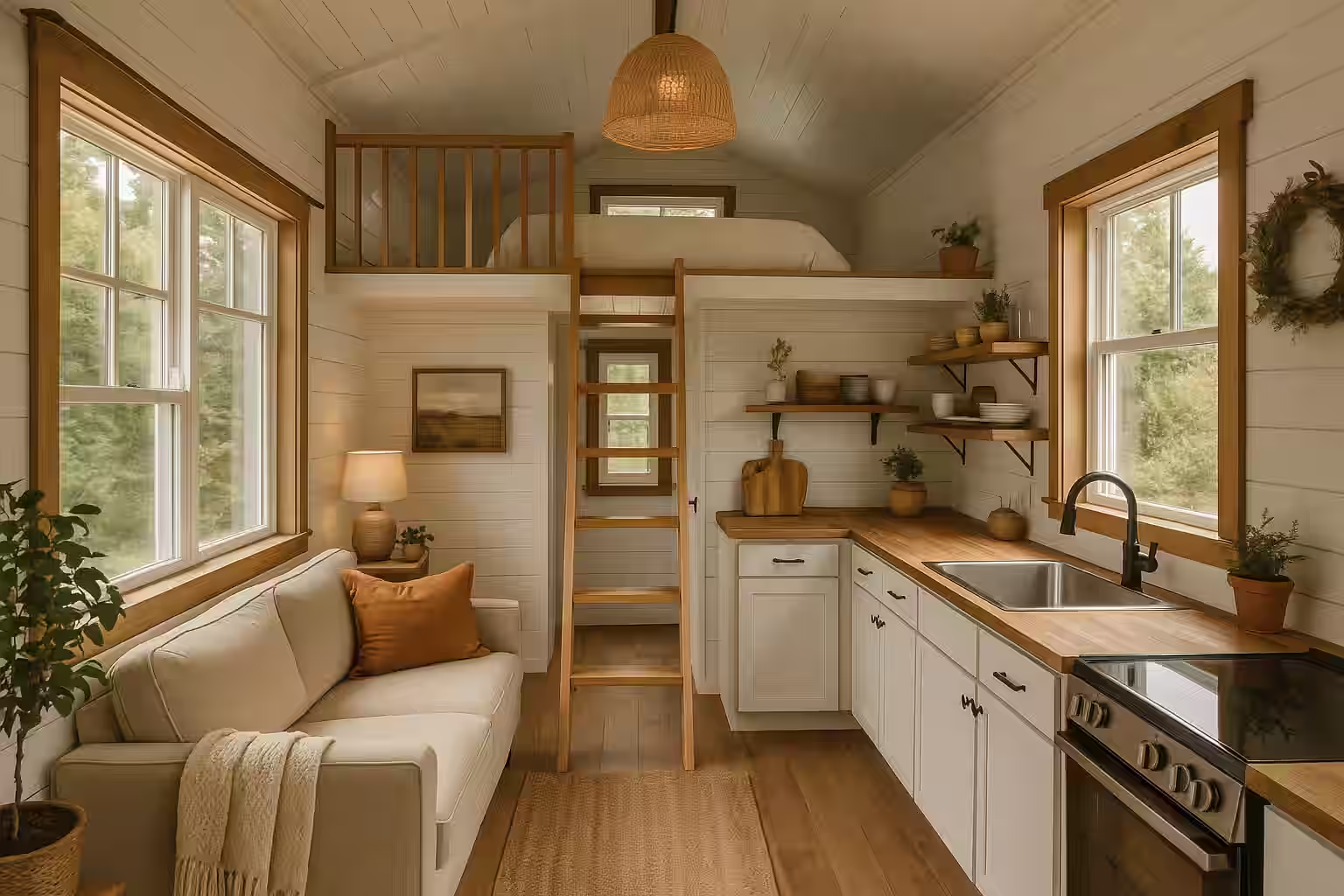
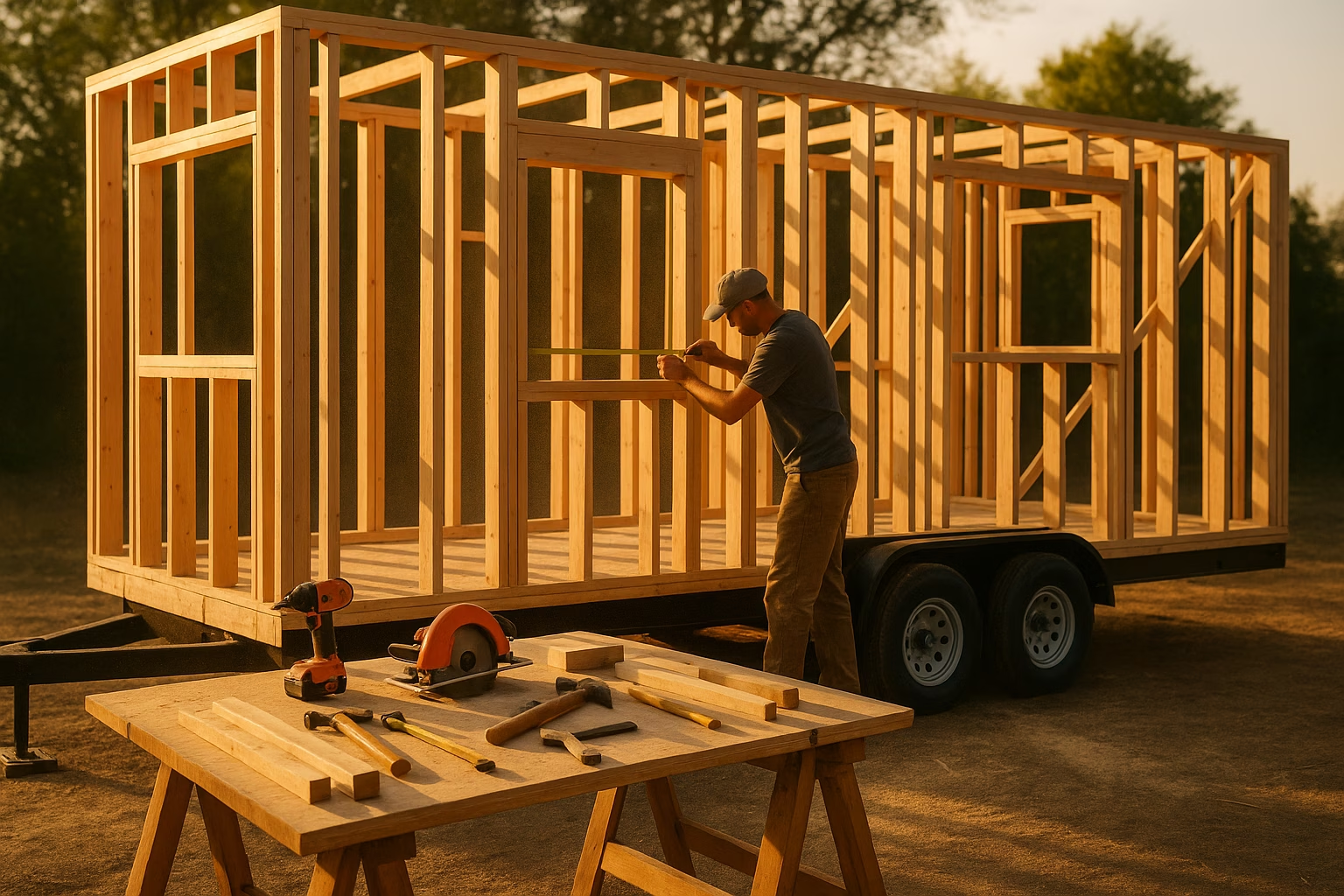
Start Here
If you only read three pages, start with the Quickstart (vocabulary, typical sizes, key decisions), then Legal requirements (what you can build and where it can live), and then Design principles (how to avoid layouts that photograph well but feel bad on day three). Keep the Glossary nearby as a “what does that mean?” safety net.
Decide Your Type (Early)
Most downstream decisions depend on whether your tiny home is on wheels (THOW) or on a foundation.
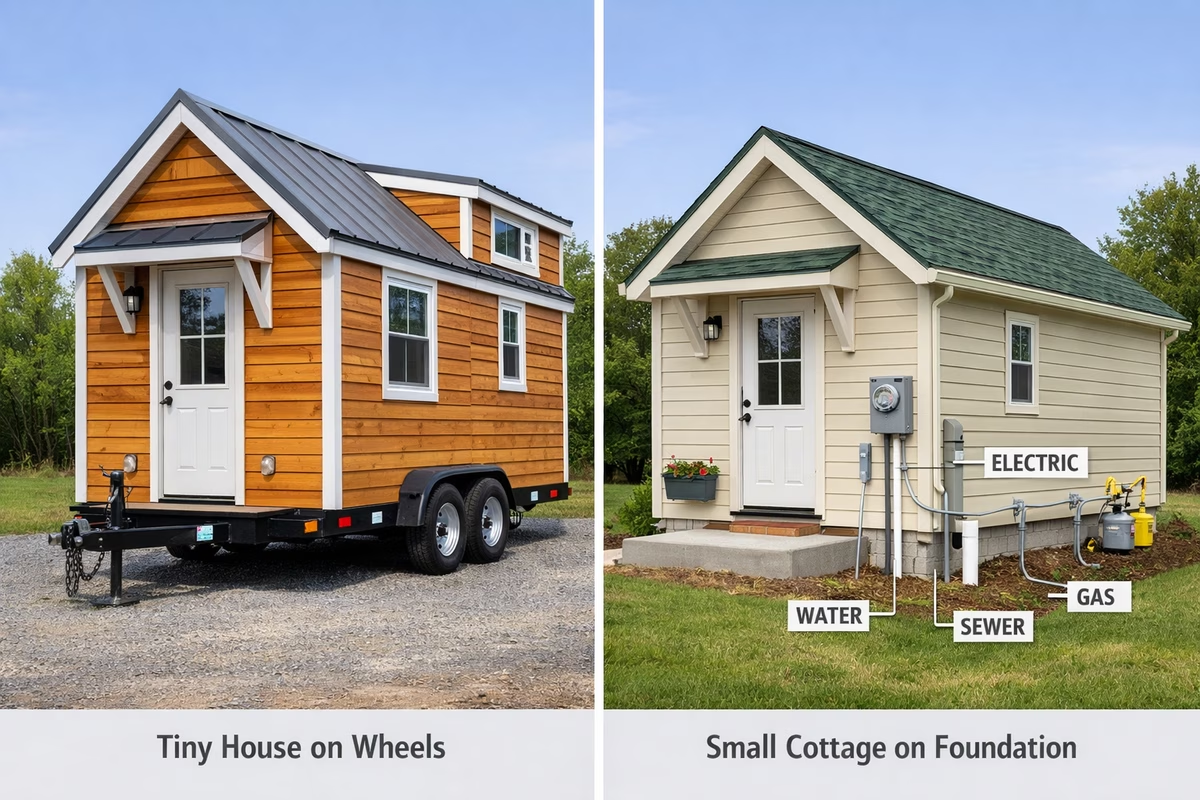
THOW is a transportation project as much as a housing project: road legality (width, height, weight, and balance) becomes the dominant constraint, and placement often involves RV parks or private land with local rules that vary wildly. Utilities tend to be more flexible and modular (shore power, water fill, composting), and insurance/financing can be trickier without certifications.
A foundation build is closer to a small house or ADU: permits and local building codes become the dominant constraint, standard hookups are more common, and it’s easier to expand storage and systems over time. The trade-off is that you’re committing to a site, and the permitting path can be the real schedule driver.
Planning Checklist (Before You Draw a Floor Plan)
Use this as a pre-design gate. If you can’t answer these, pause and research before buying materials.
Start by answering a few “boring” questions that decide 80% of the build. Where will it live, and what is it legally (RV, ADU, accessory structure, single-family)? How will it get to that site (driveway width, turning radius, overhead clearance, and whether you’ll need a crane)? What’s the real budget envelope once you include the trailer or foundation, insulation and air sealing, windows and doors, systems, tools, and contingency?
Then zoom in on the constraints that tiny homes amplify: climate and moisture strategy (insulation targets, vapor approach, ventilation, heating/cooling sizing), utilities and rules (power service, water source, wastewater plan, propane limits, internet), and storage (clothes, pantry, tools, hobby gear, bikes, pet supplies). Finally, set a safety baseline early: egress, smoke/CO alarms, fire extinguisher placement, and a stair/loft plan you can use half-asleep.
Featured Guides
If you want a curated path, start with Tiny Home 30-Minute Quickstart and Design Principles. Add Legal Requirements as soon as you’re considering a specific site. Use Sustainable Systems to decide how independent you want to be. Then read the Building Guide to understand sequencing and evaluate build quality. Dip into Interior Design as you design storage and light. Keep the Glossary open whenever you hit unfamiliar terms.
Suggested Reading Paths
Exploring tiny living (no commitment): Quickstart → Design principles → Interior design → Glossary as needed.
Buying or commissioning a build: Quickstart → Legal requirements → Design principles → Building guide (so you can evaluate build quality).
DIY build: Legal requirements → Building guide → Sustainable systems → Interior design.
Off-grid leaning: Sustainable systems → Legal requirements → Building guide (especially insulation/ventilation) → Design principles.
Common Pitfalls This Library Helps You Avoid
Tiny homes rarely fail because someone couldn’t swing a hammer. They fail because a constraint shows up late. This library is built to help you avoid the most common versions: choosing a layout before confirming placement rules and utility constraints, underestimating weight (especially on wheels), treating moisture control and ventilation as optional, designing storage as an afterthought and “solving it” with clutter, and mixing incompatible systems (electrical load, water heating, ventilation) without a plan.