Watch Guides & Learning Resources

Comprehensive guides on watch movements, brands, collecting strategies, care, and sizing.

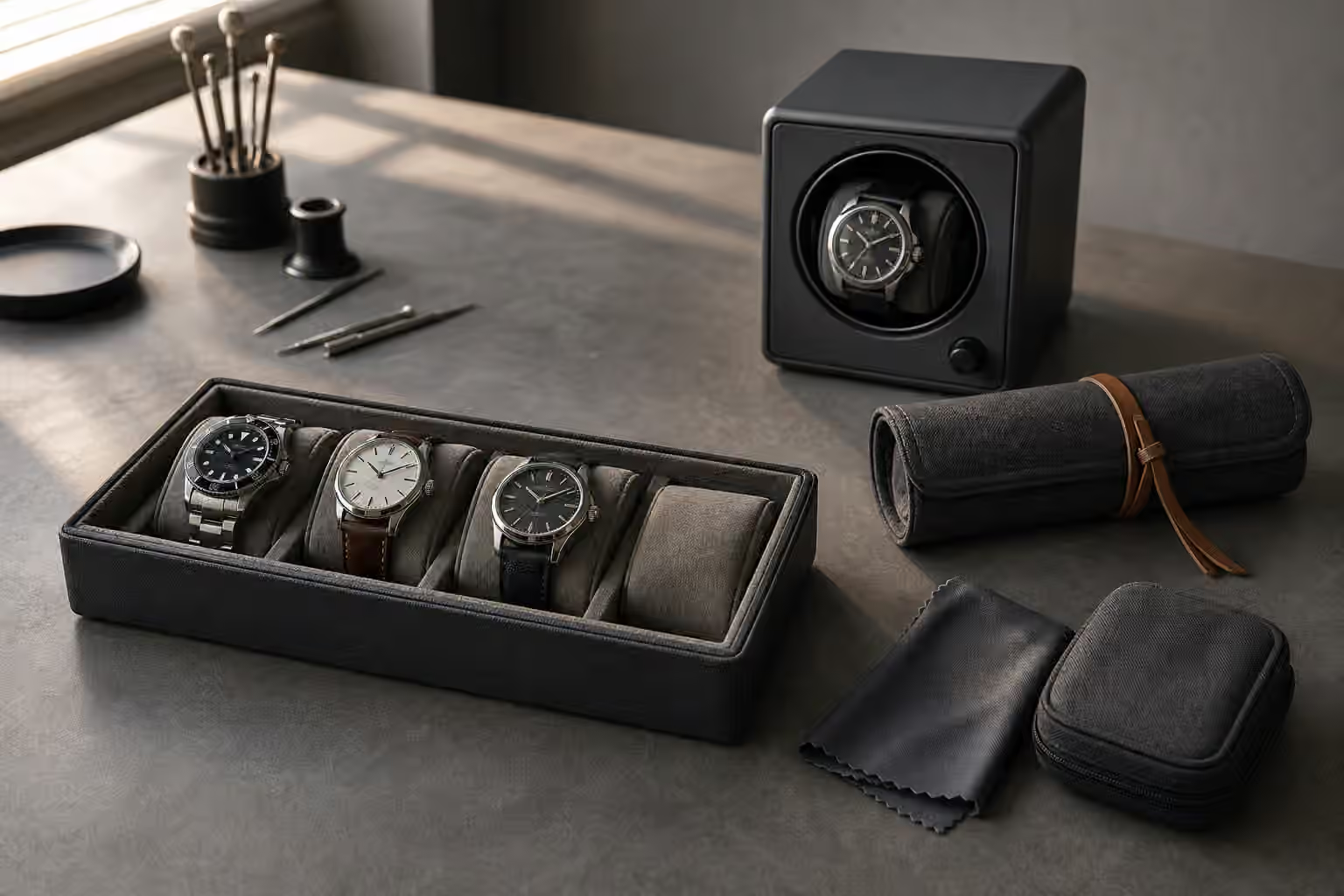
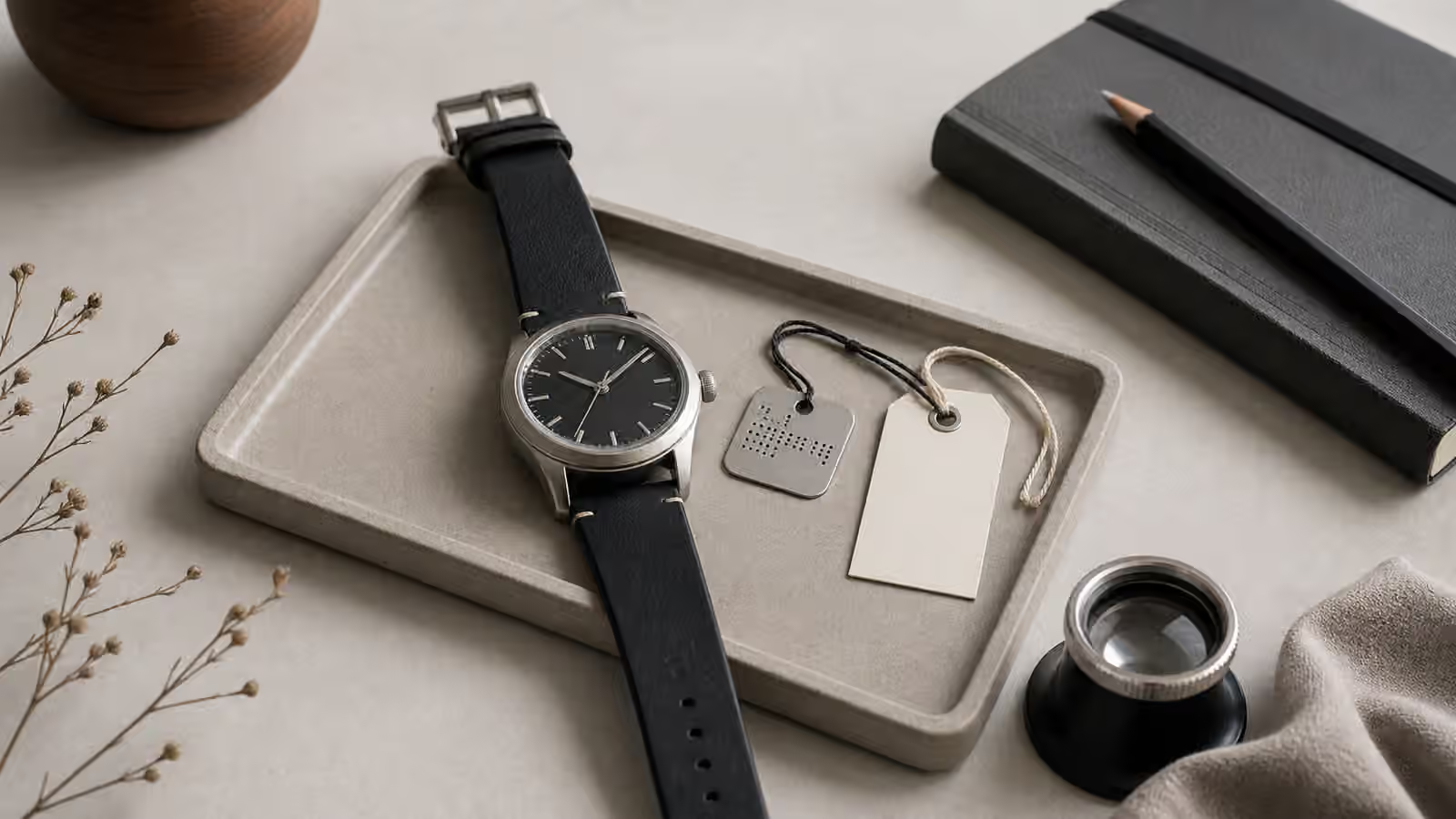
Watches reward attention. The more you understand how movements work, how cases wear, and how brands position themselves, the easier it becomes to buy well—and to enjoy what you already own. This library is designed to give you a calm mental model for watches: what matters for reliability, what matters for comfort, and what’s mostly taste.
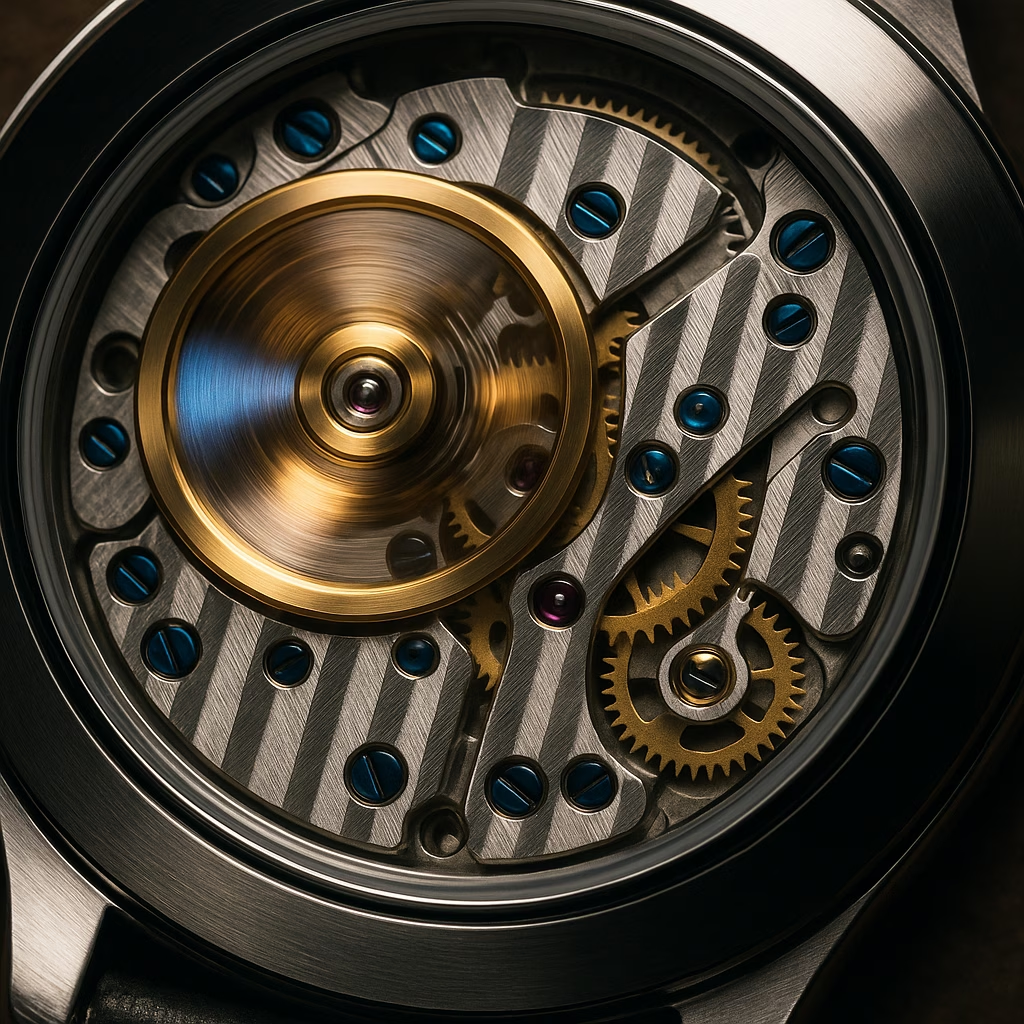
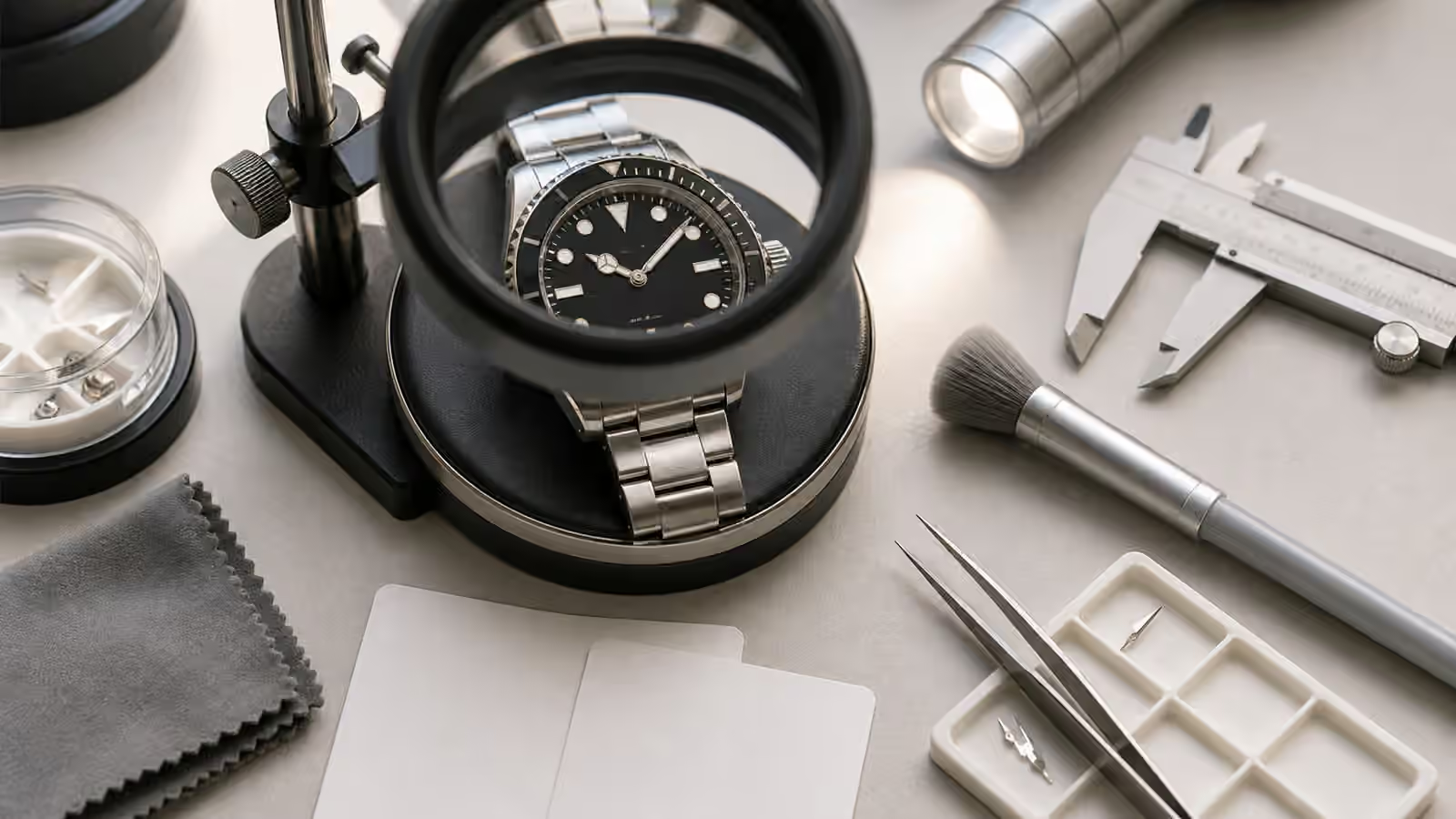
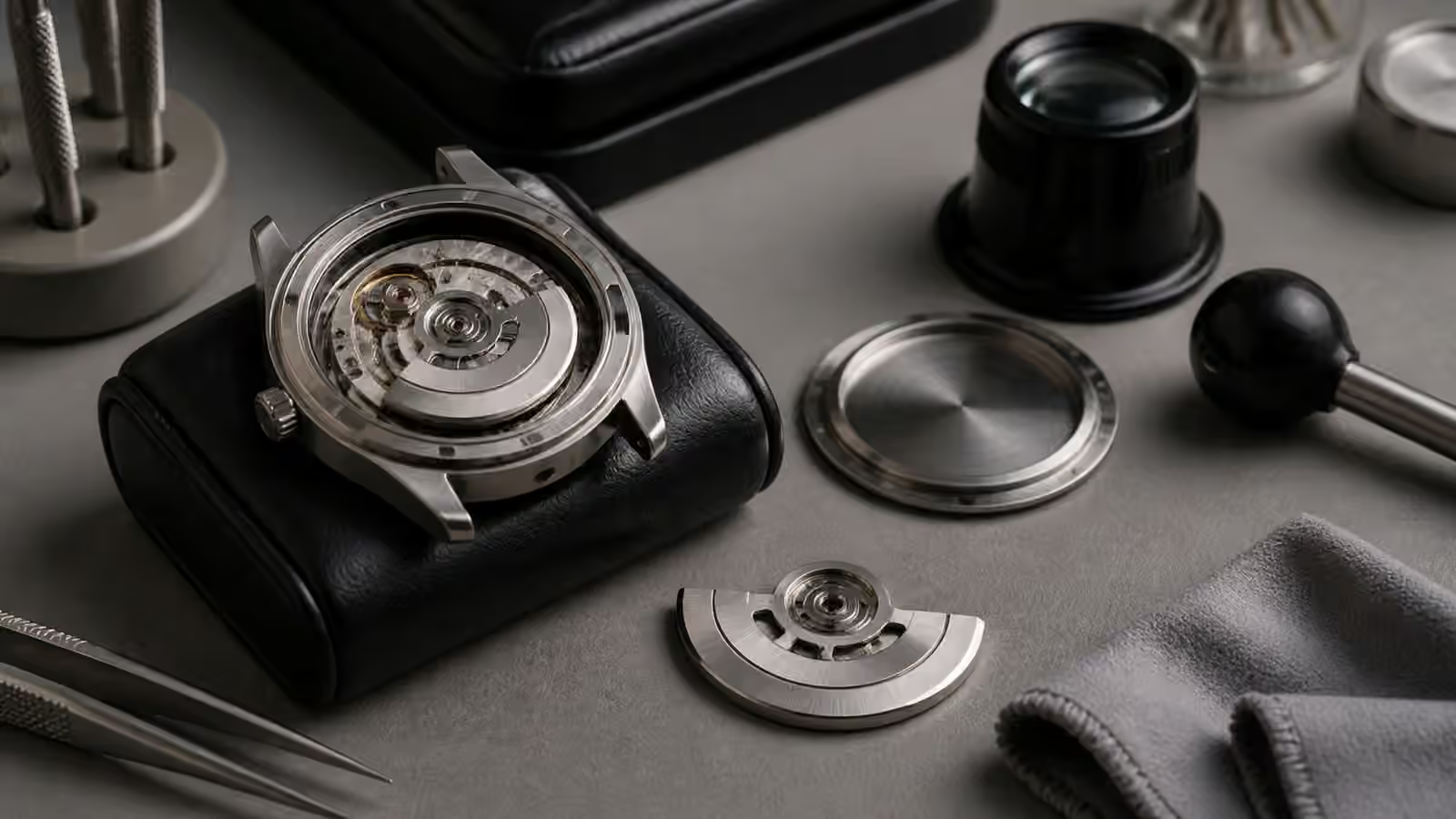
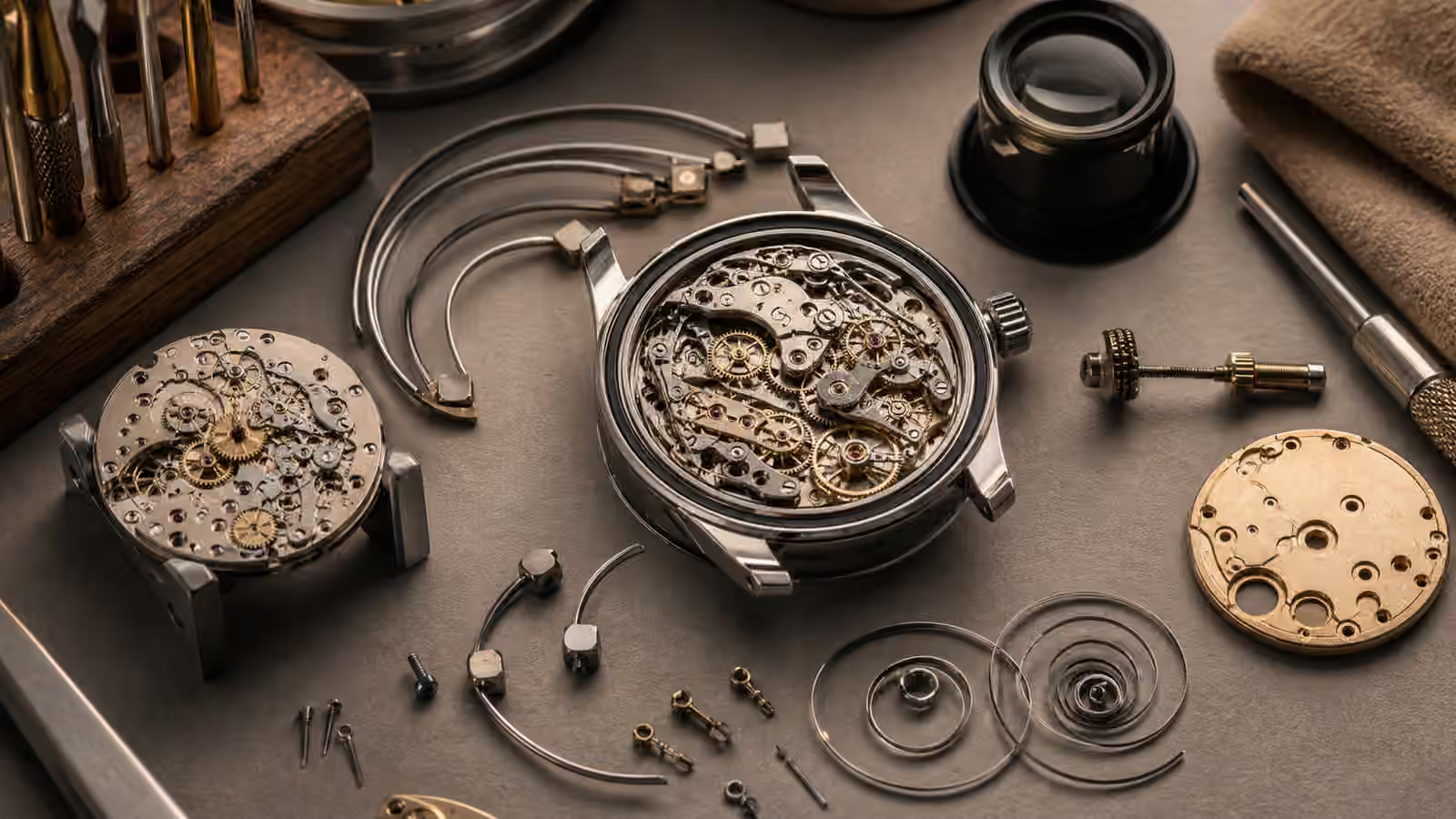
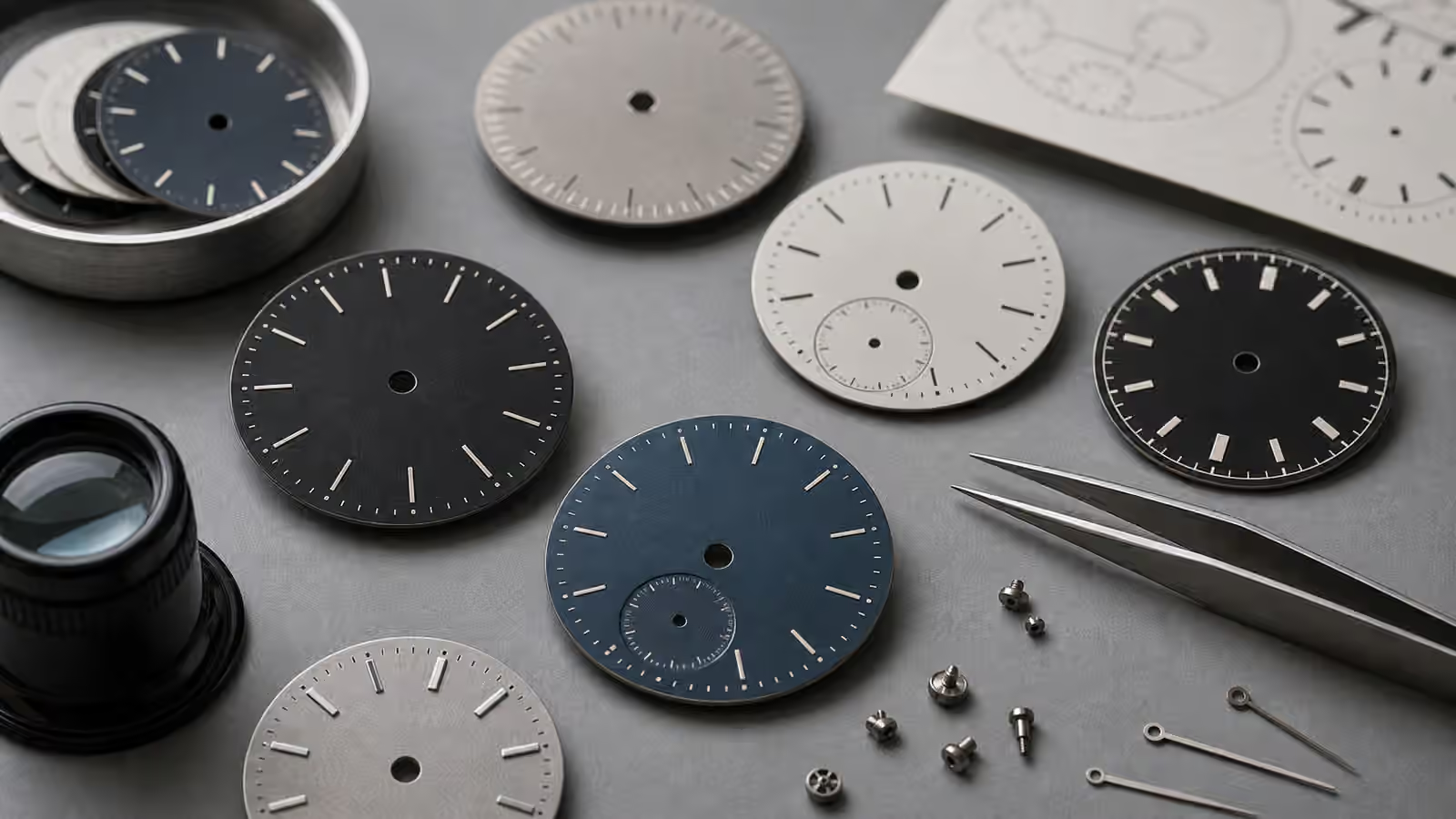
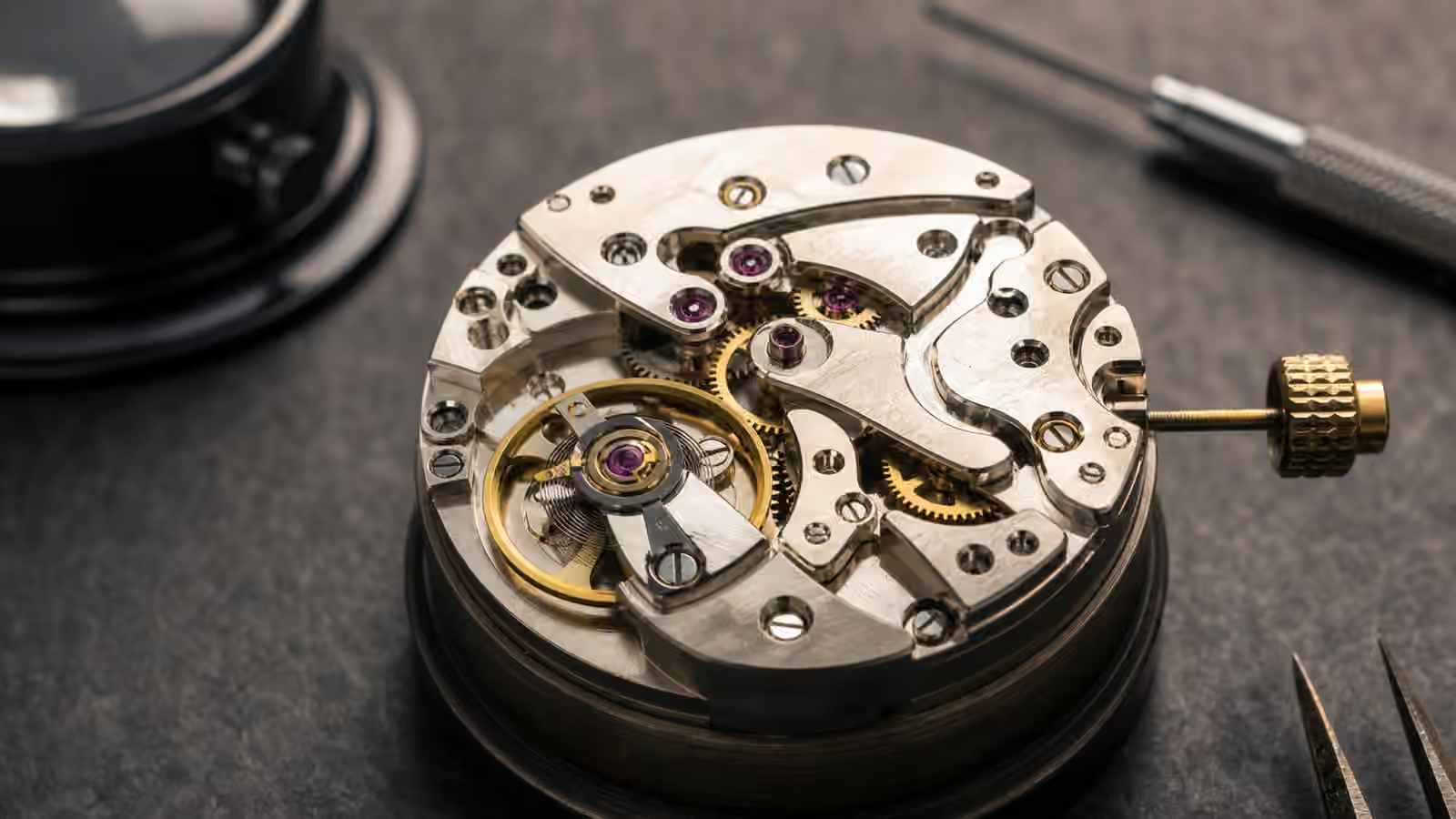
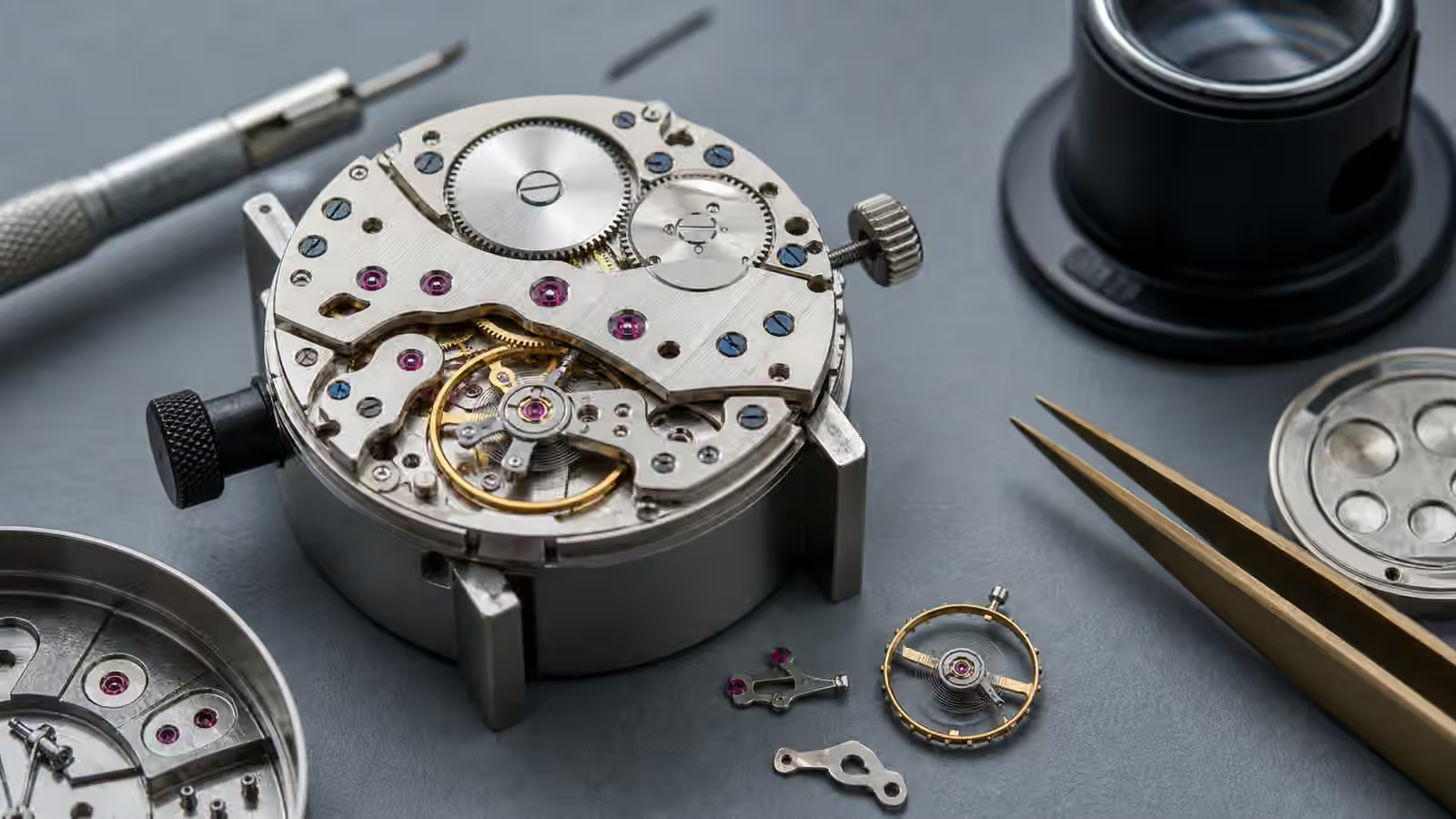
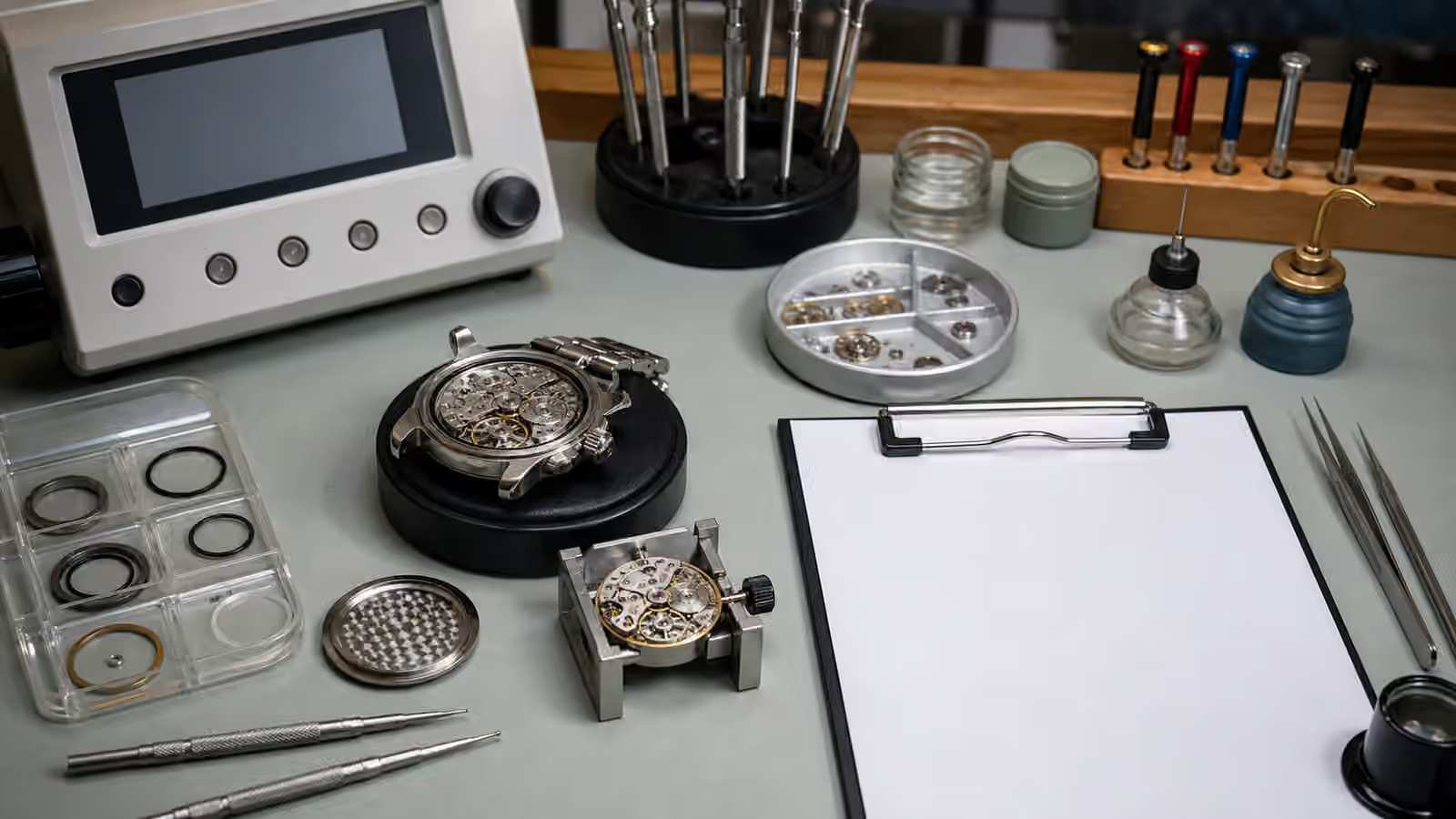
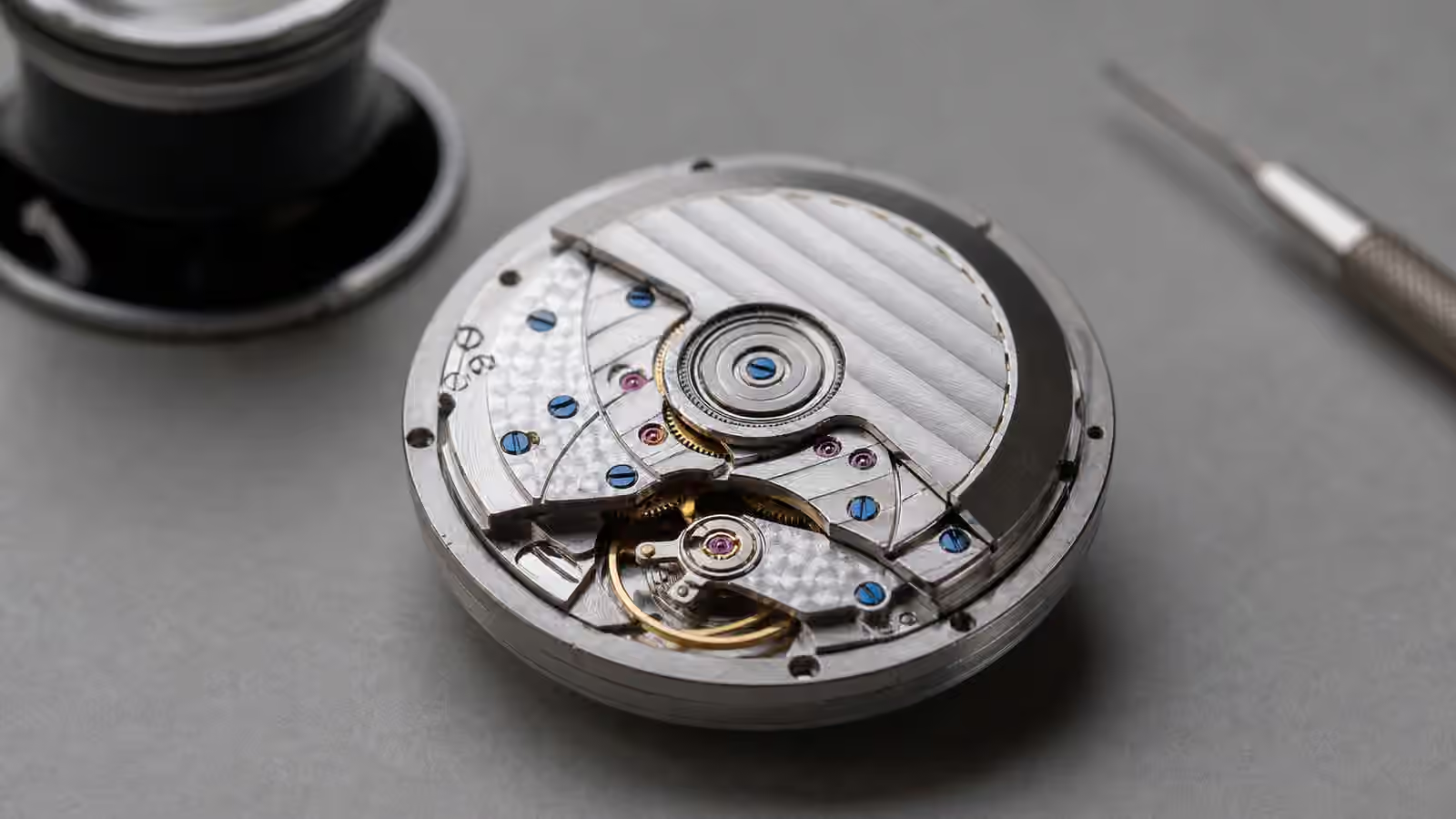
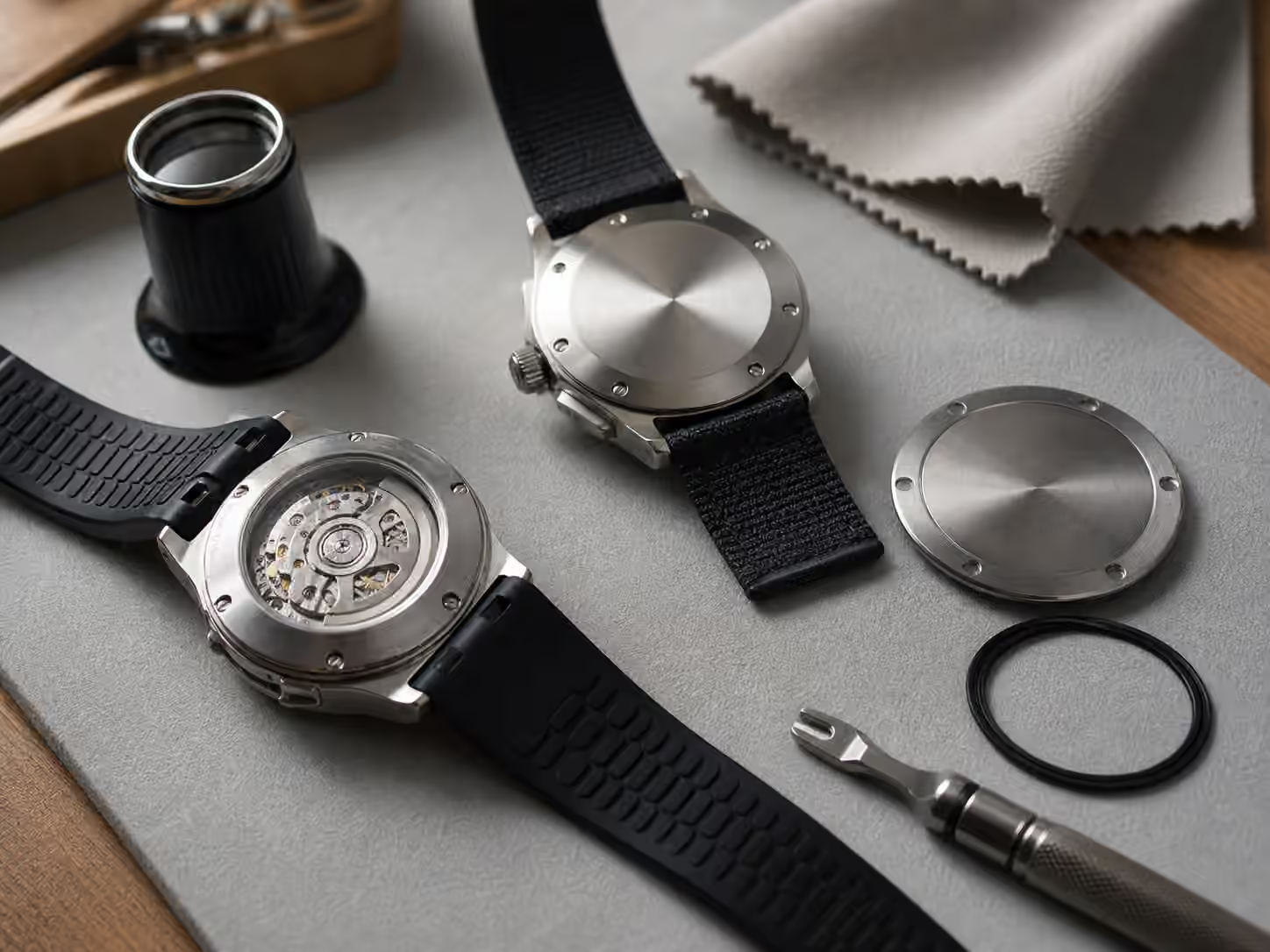
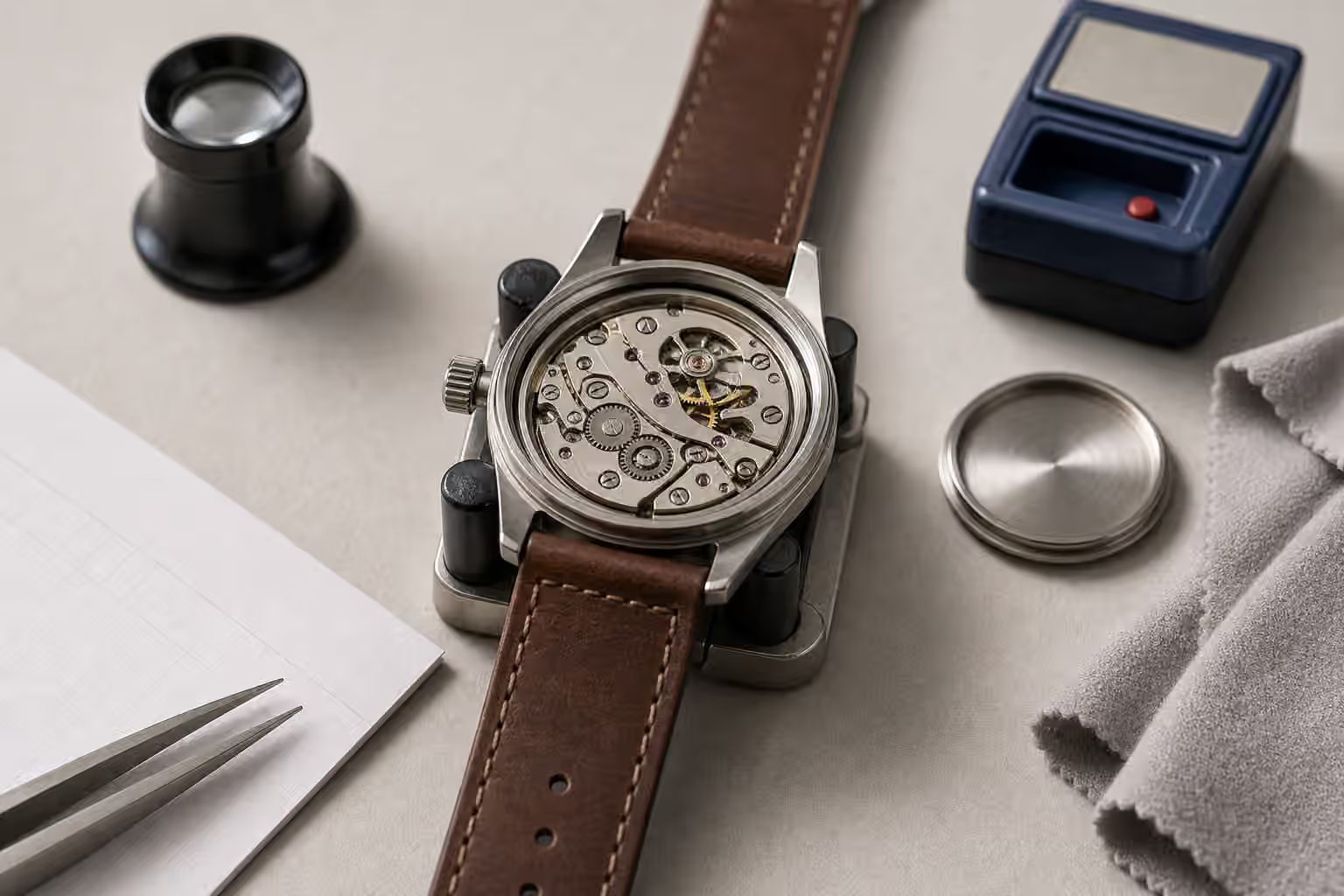
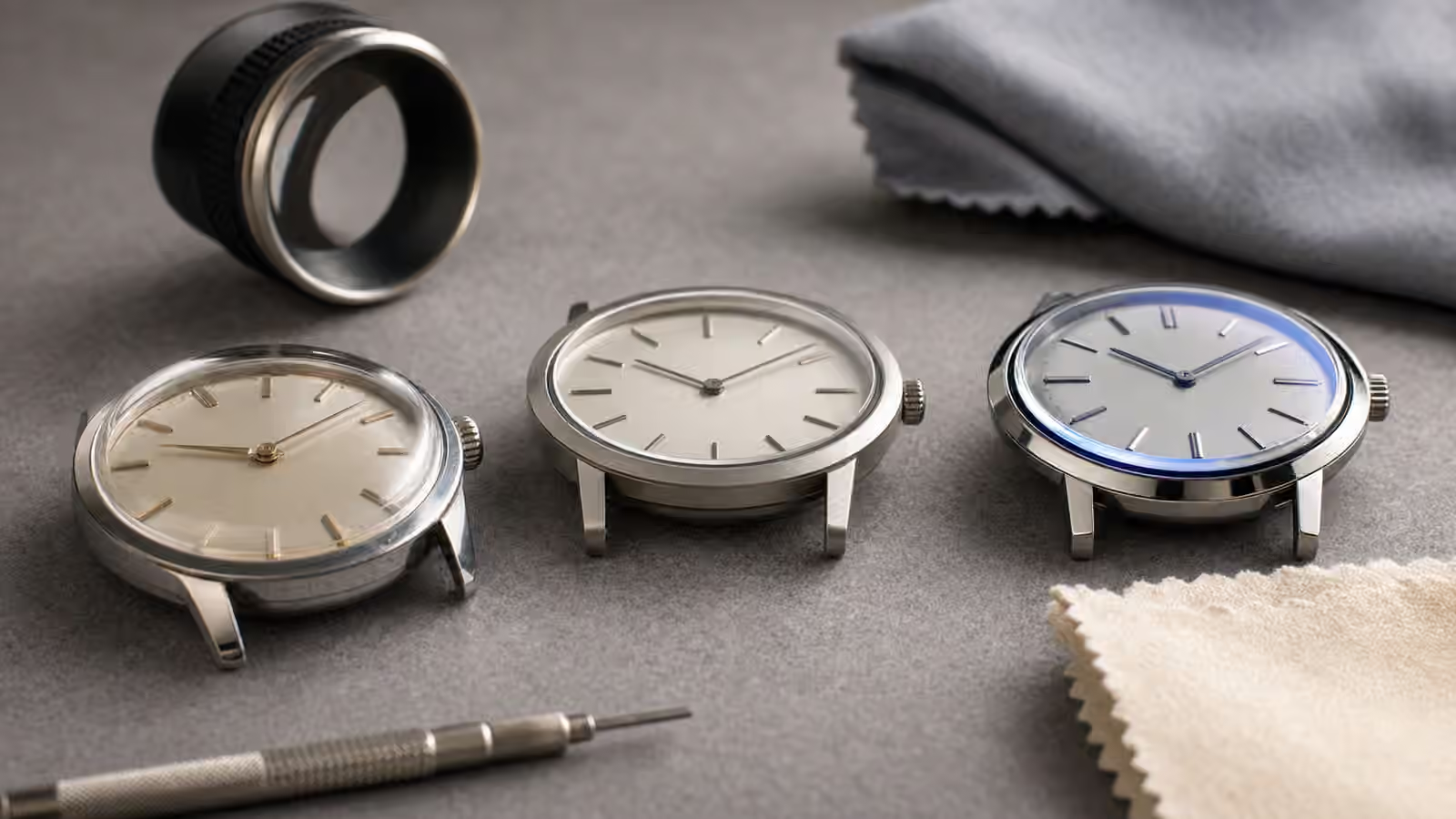
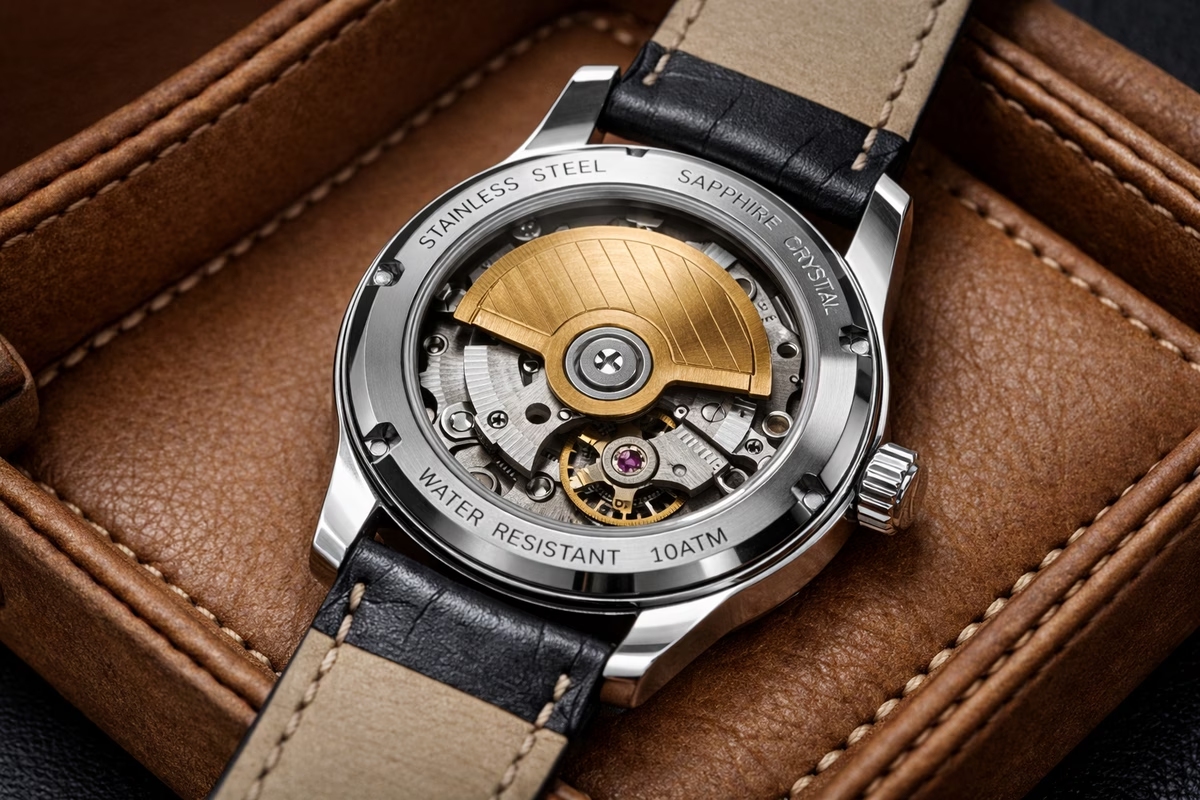
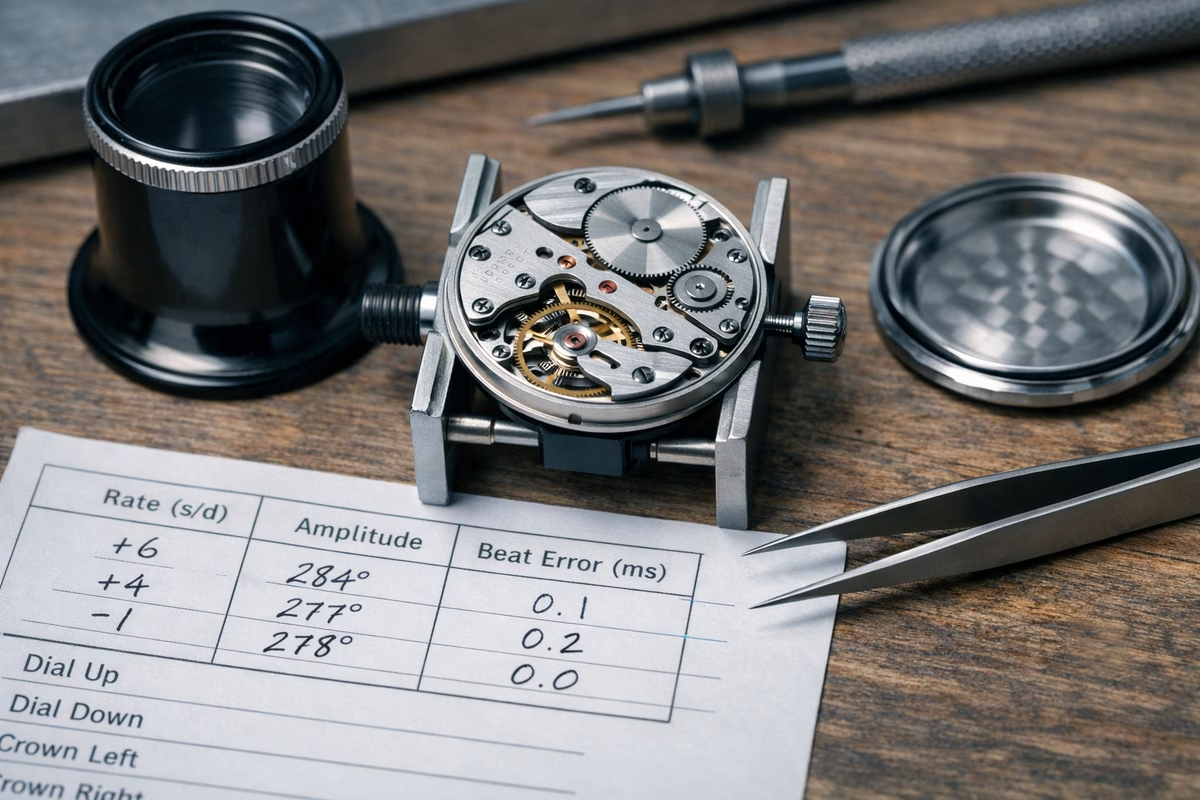
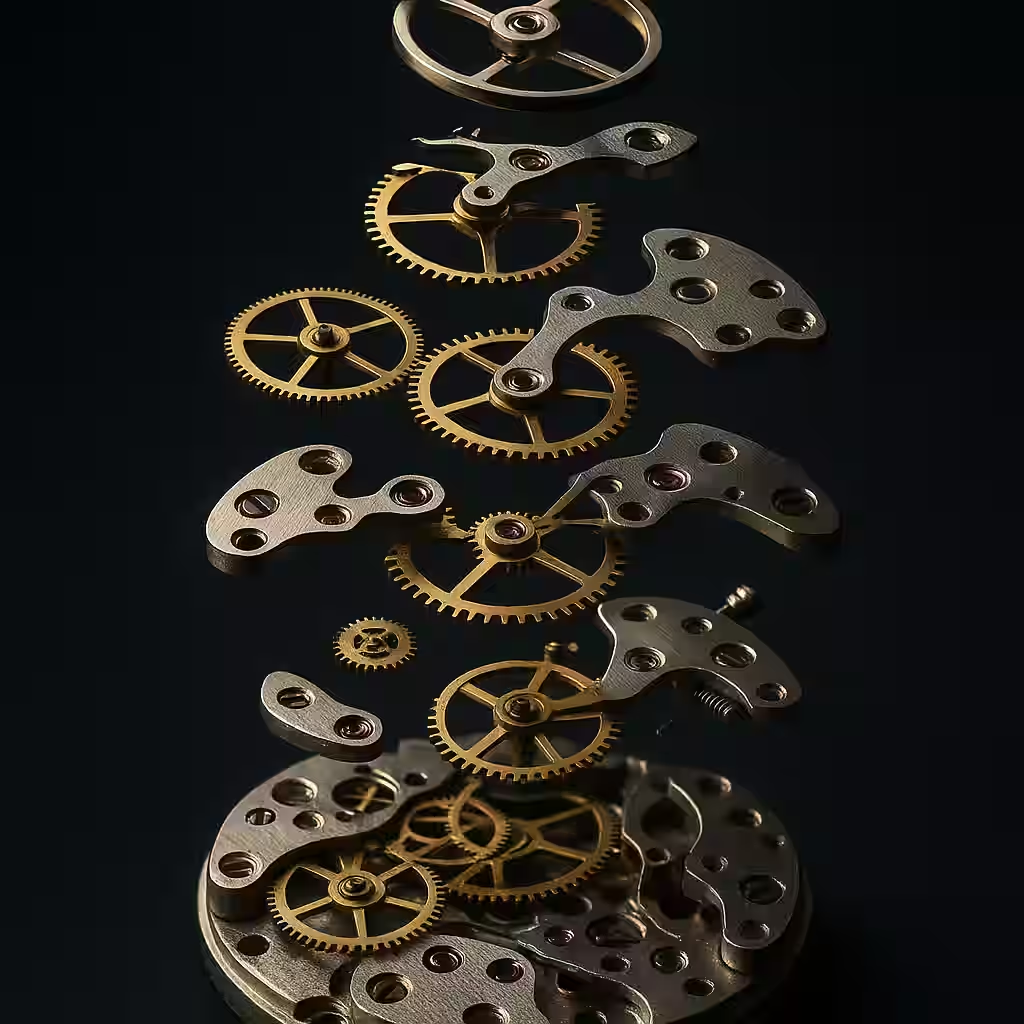
Macro photo of a mechanical watch movement with gears and bridges, watchmaker tools and a loupe nearby, clean bench, cool neutral lighting, ultra-detailed realistic photography

If you want a clean starting point, begin with Quickstart and keep the Glossary nearby so terms never slow you down. Then read Movements to understand the engine—accuracy expectations, service realities, and why “automatic vs quartz” is often a lifestyle choice more than a value judgment.

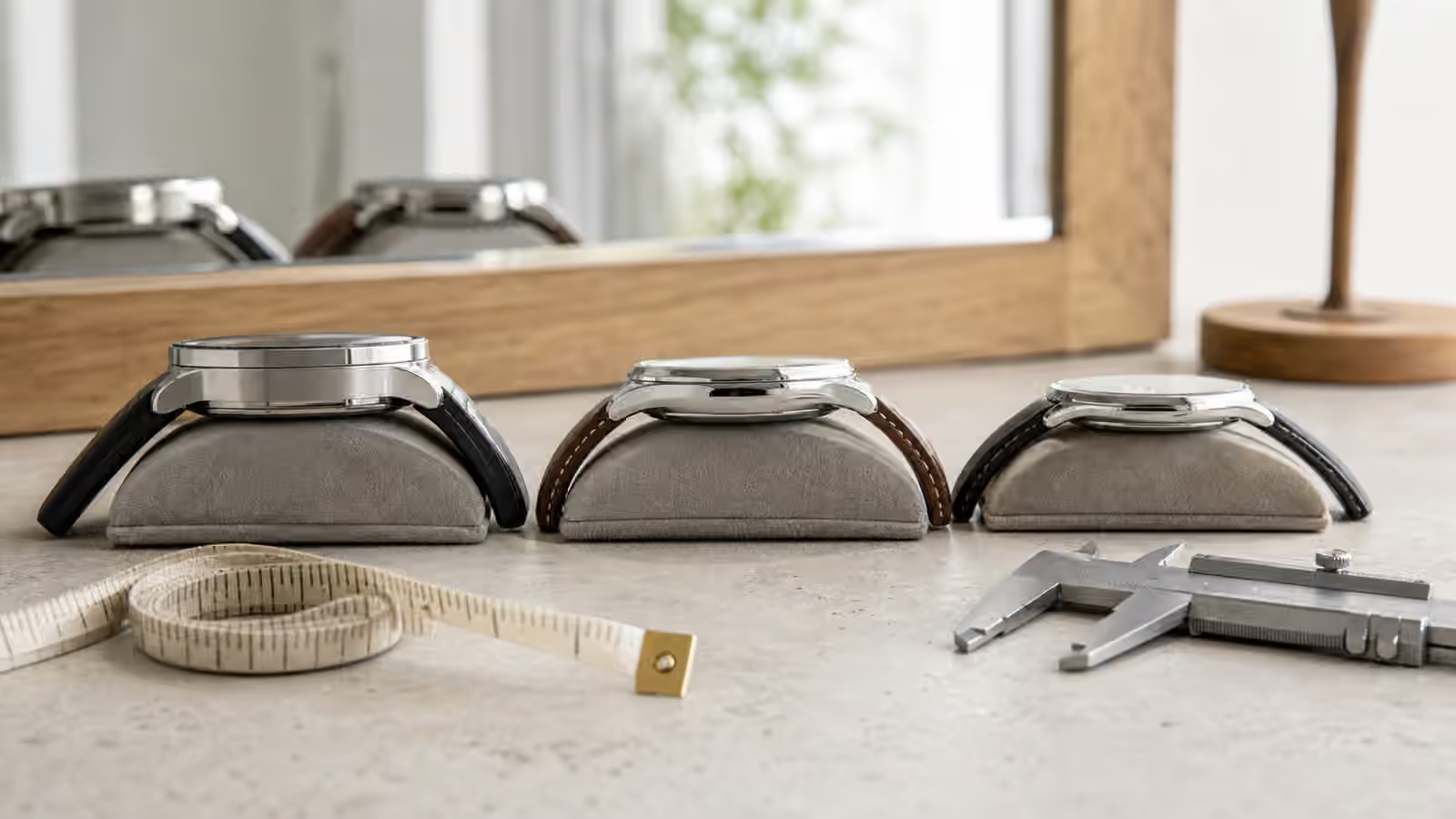
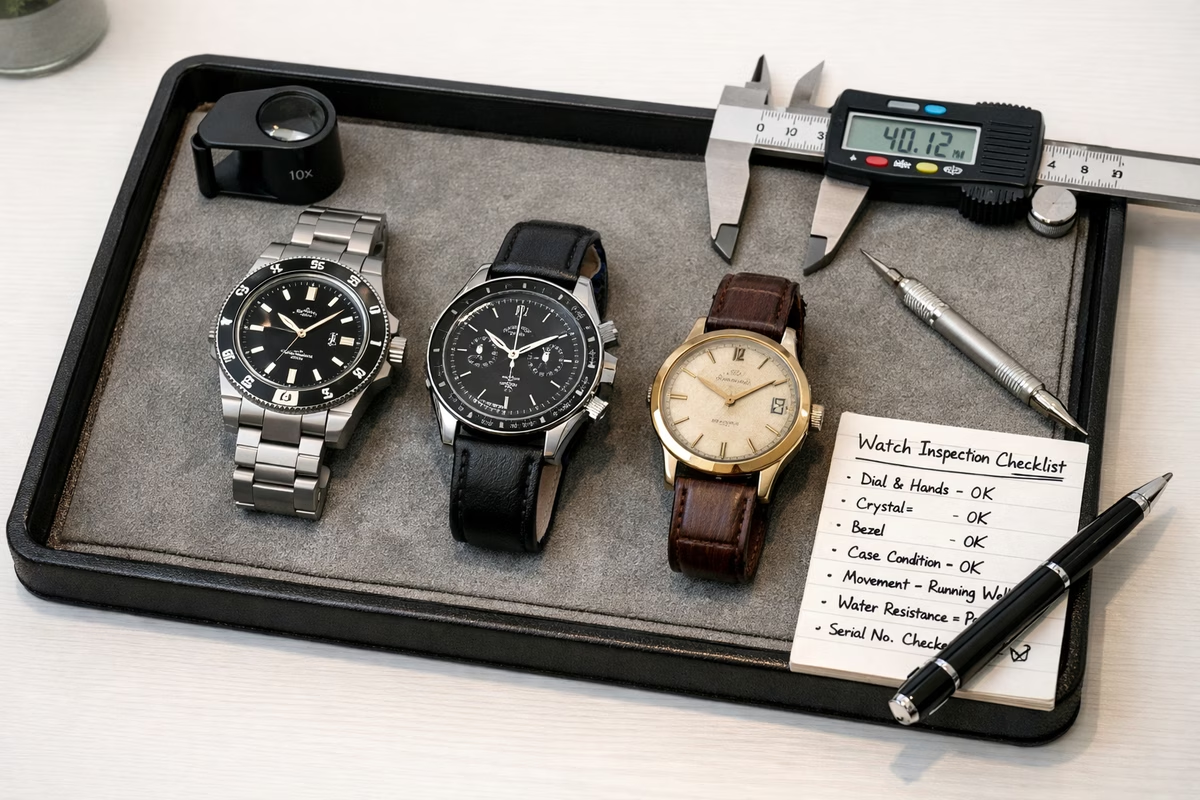
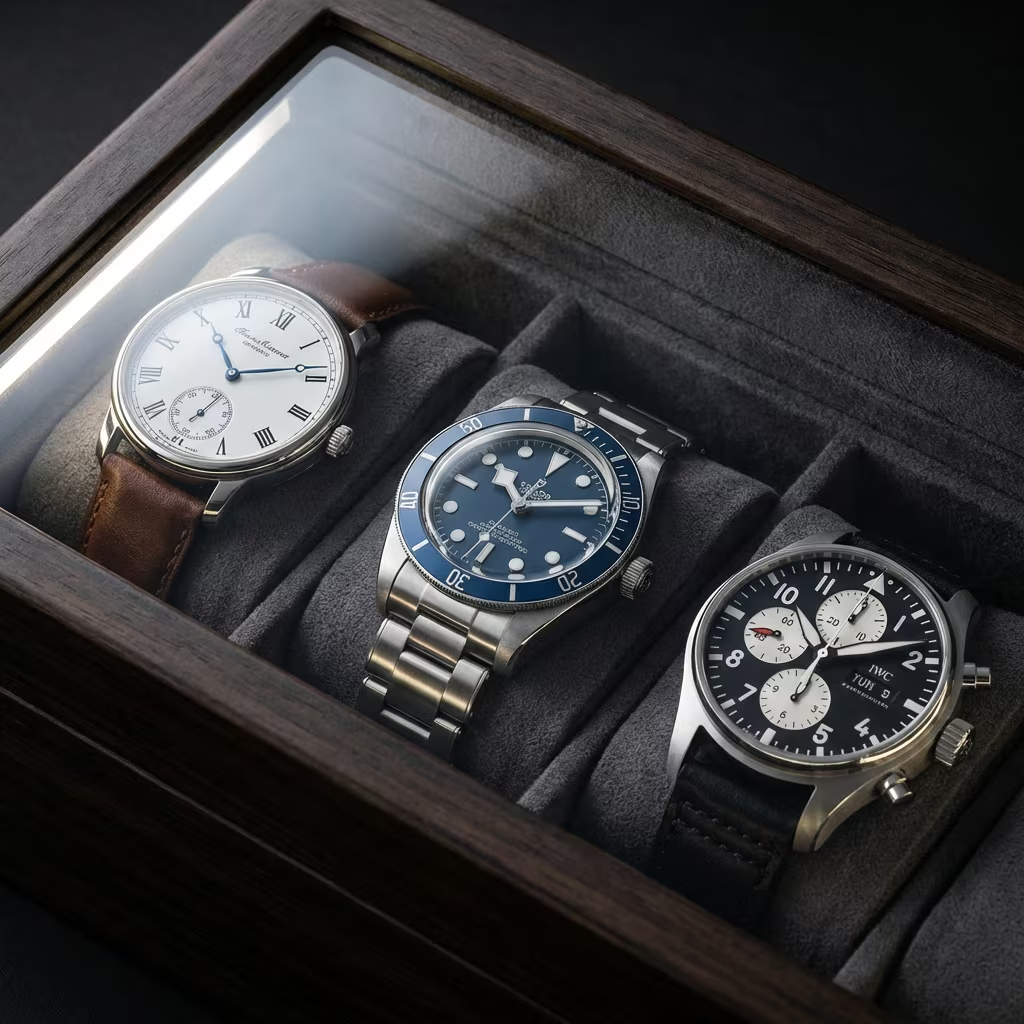
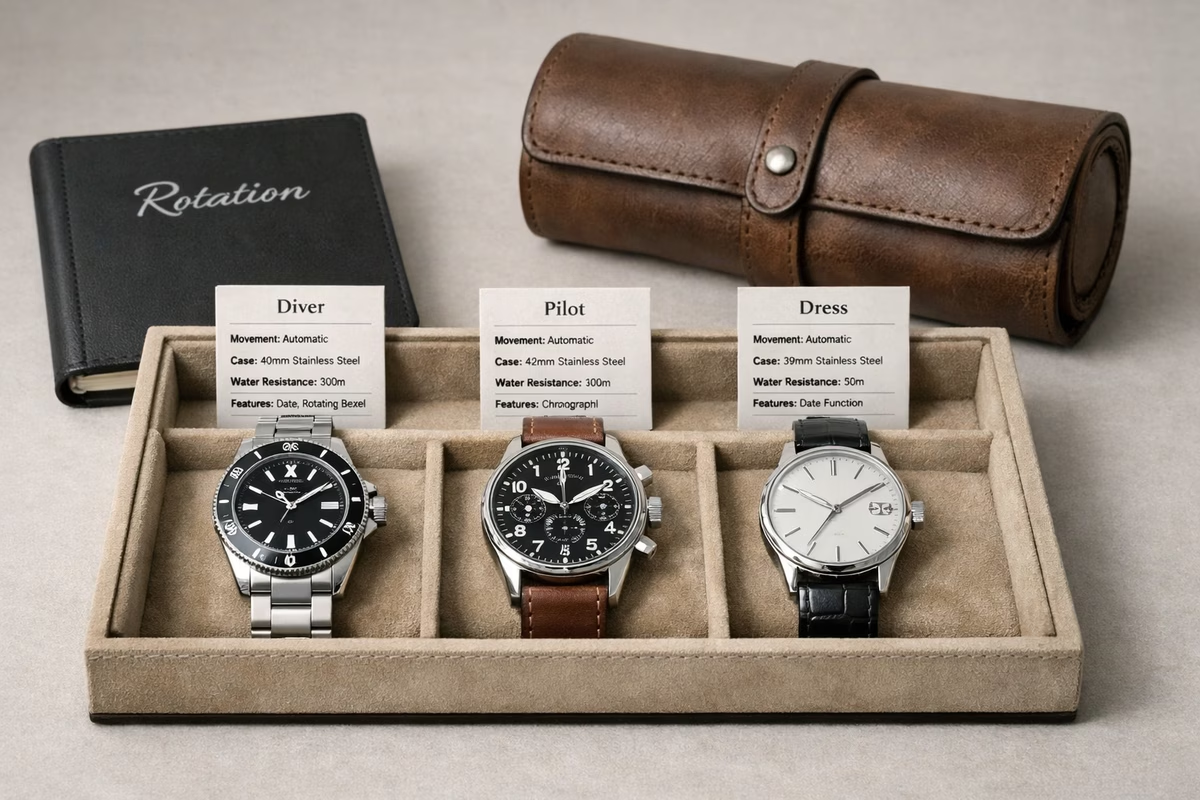
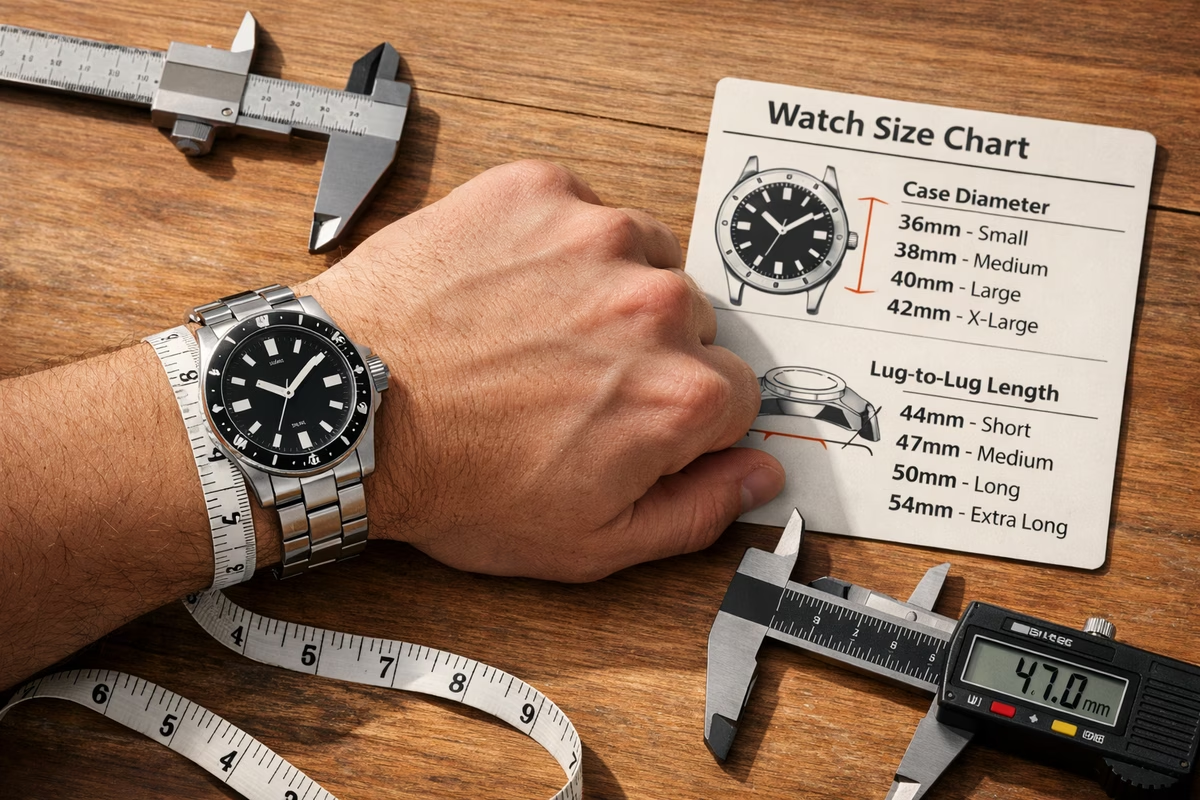
From there, make the knowledge practical. Use Sizing to choose a case that feels right on your wrist (and to avoid the most common “looks great online, wears wrong” regrets). Use the Buying guide to compare options with fewer emotional whiplashes: condition, authenticity, warranty, and what “good value” actually means in the segment you’re shopping. If you’re collecting, Collecting helps you build a set you’ll wear—not just a set you’ll research.

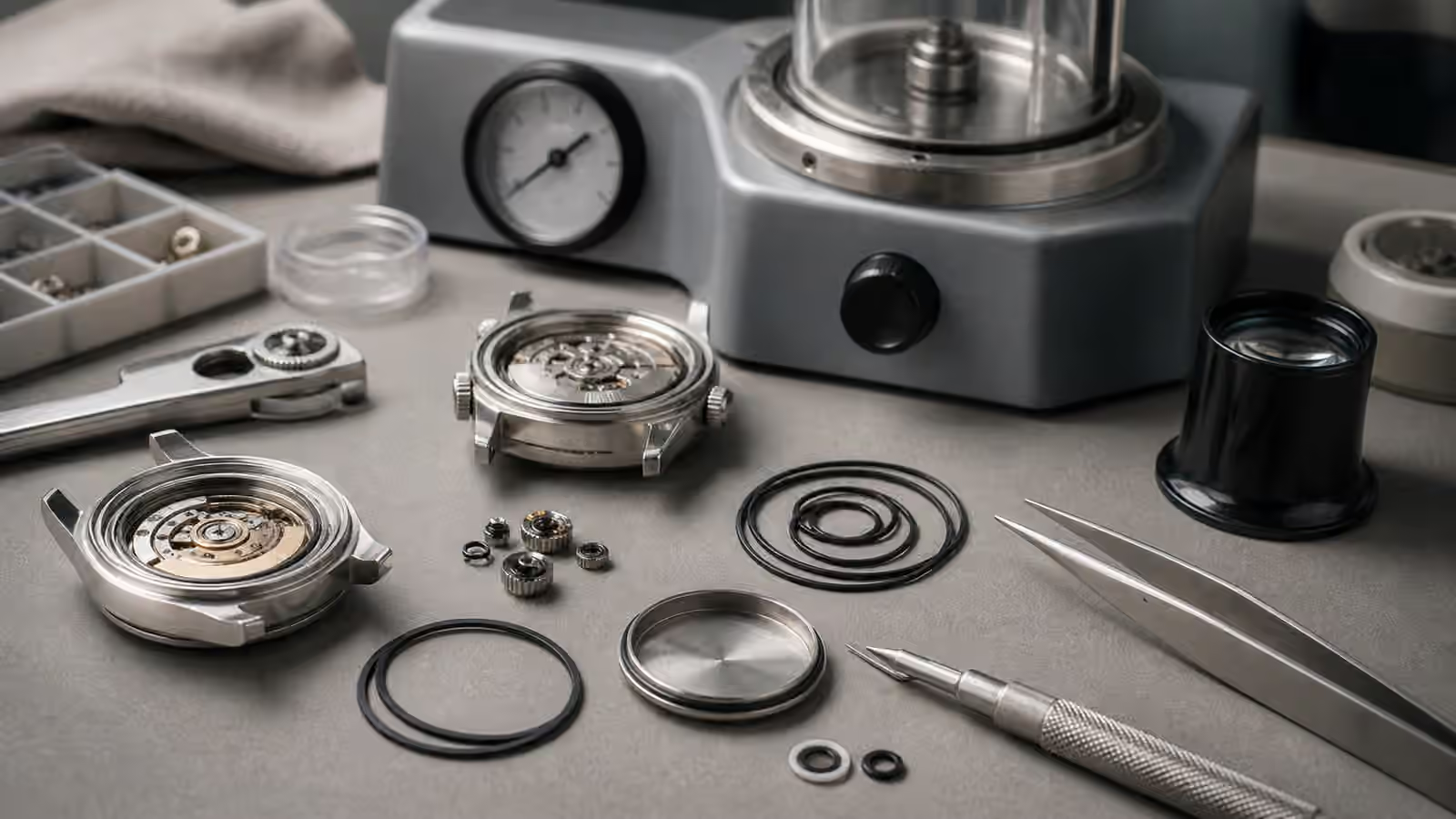
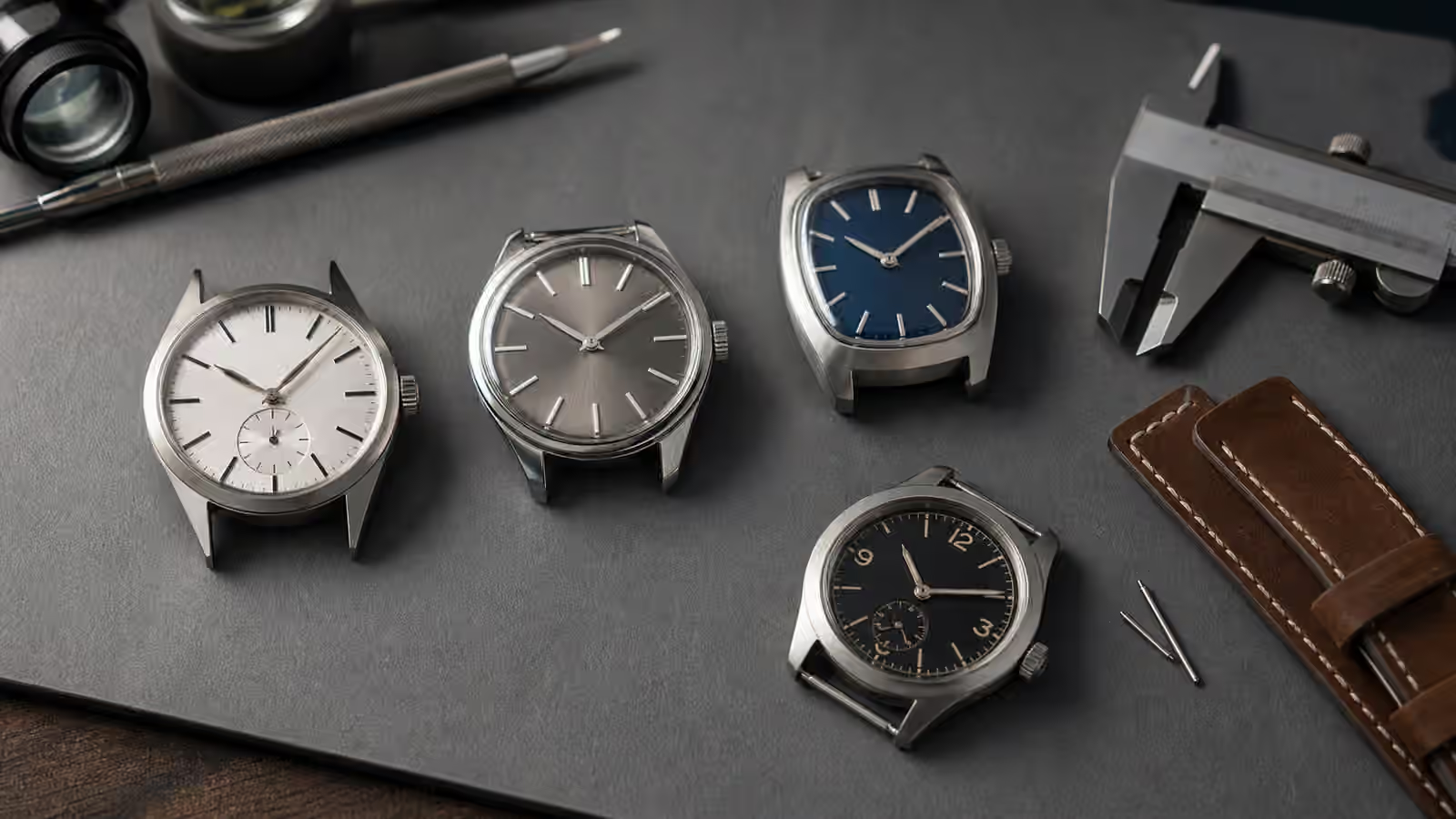
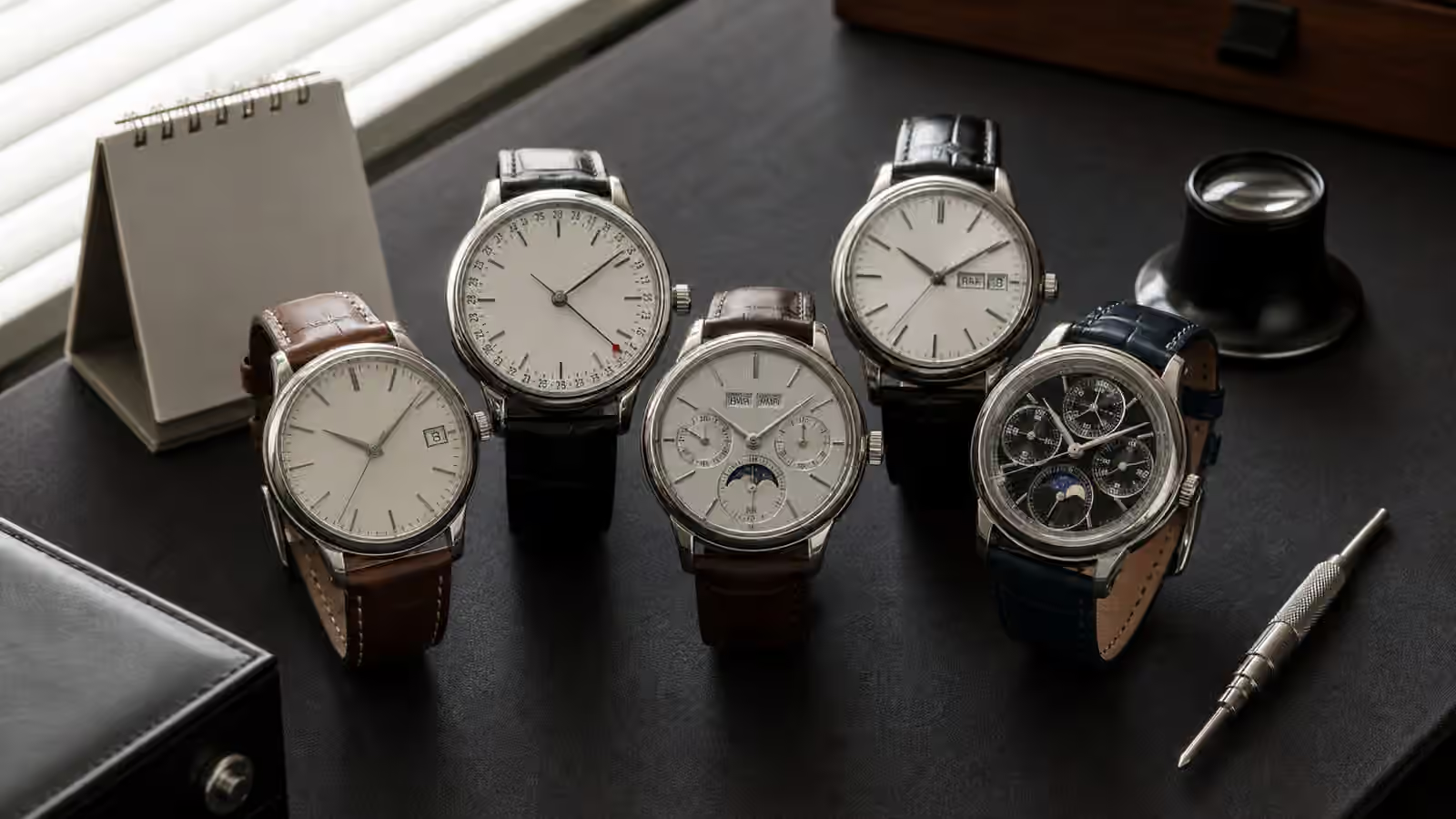
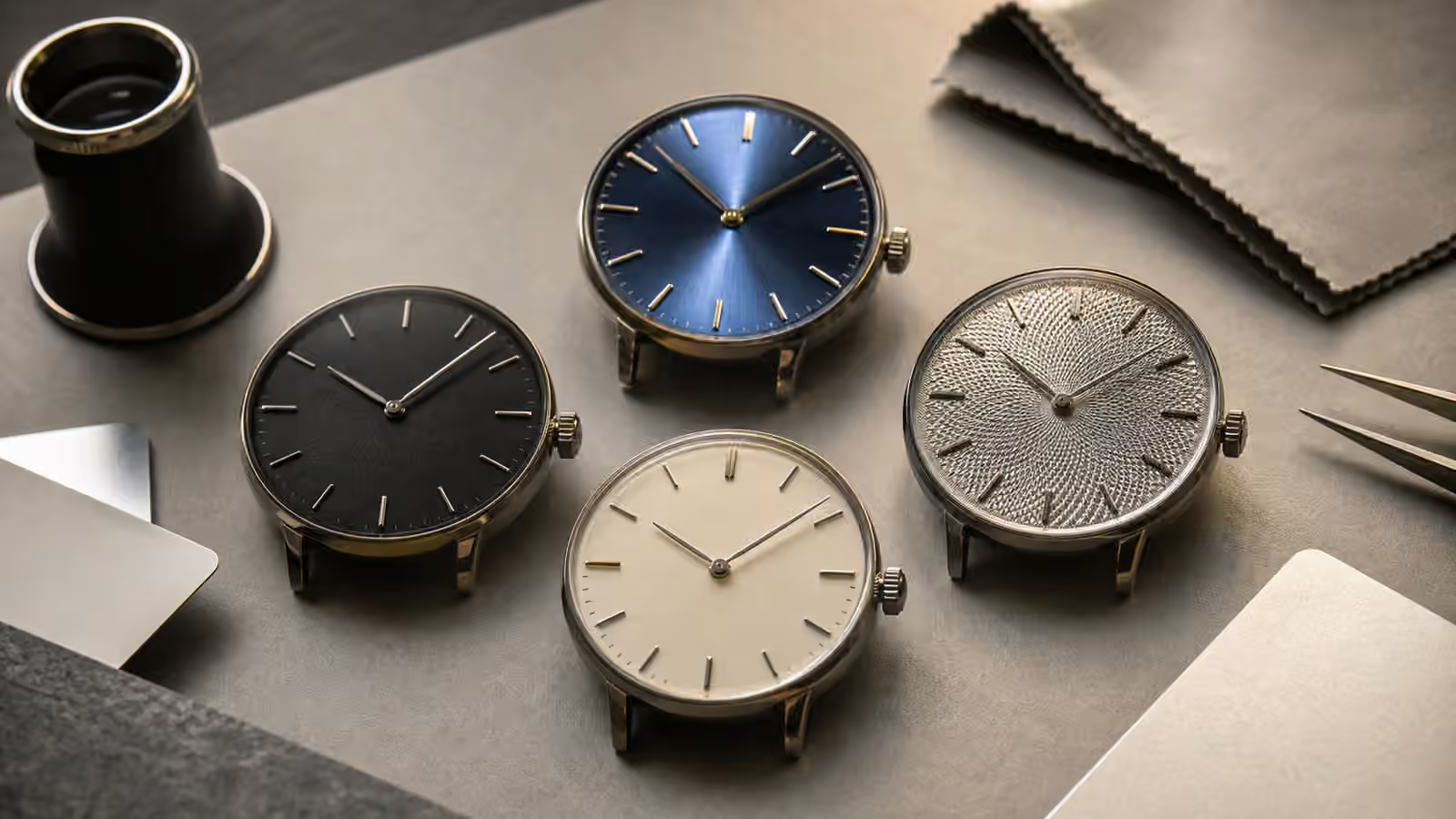
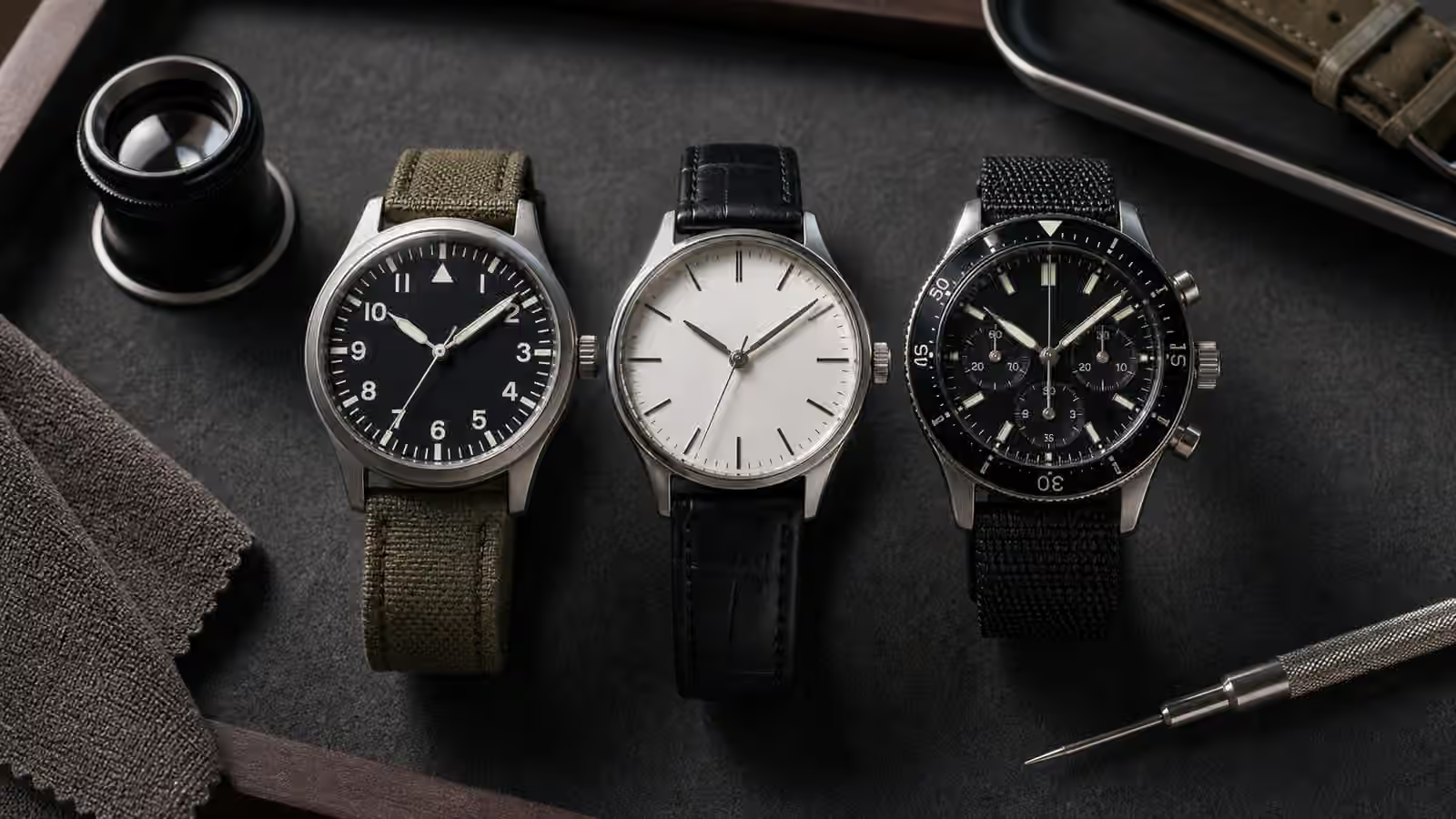
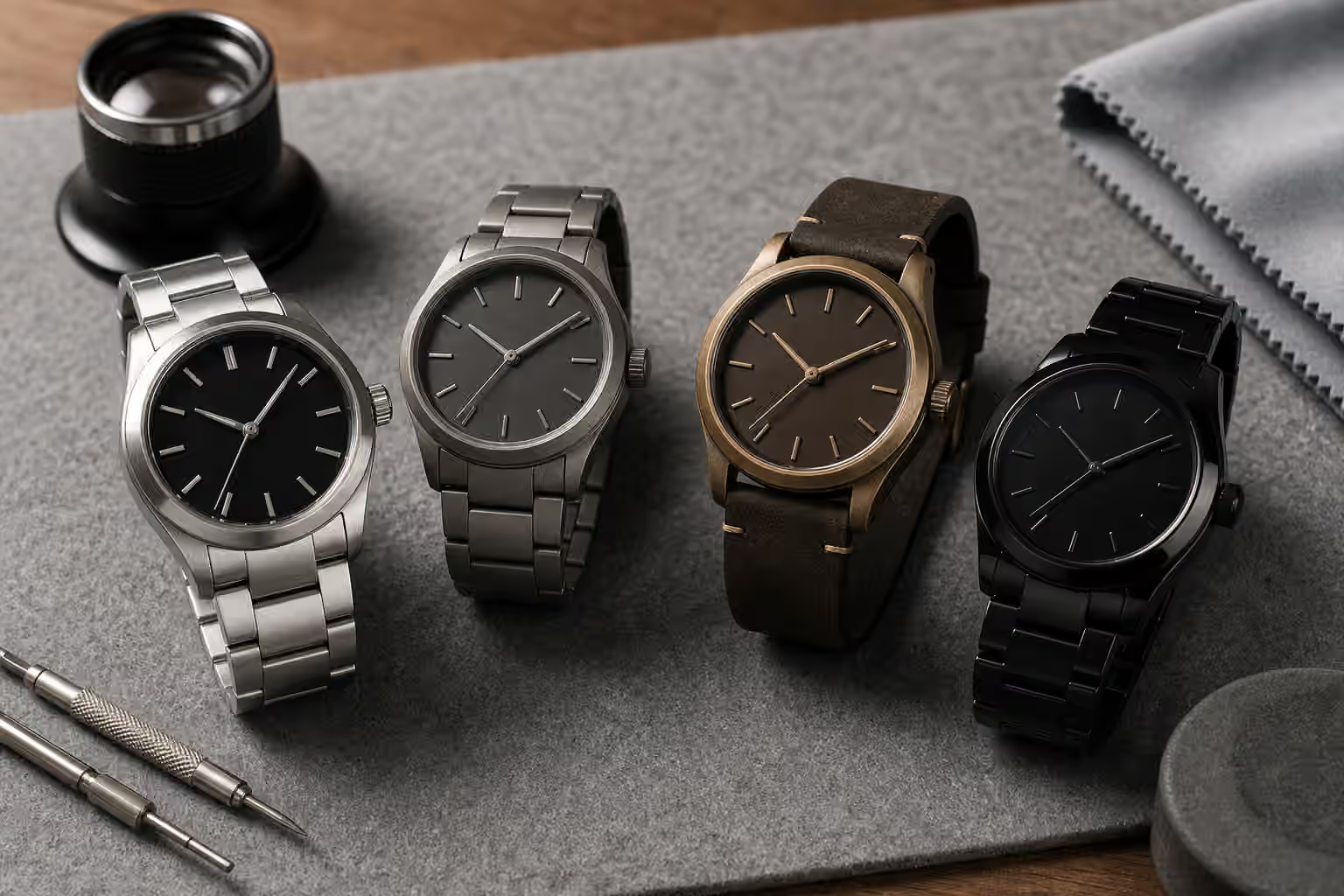
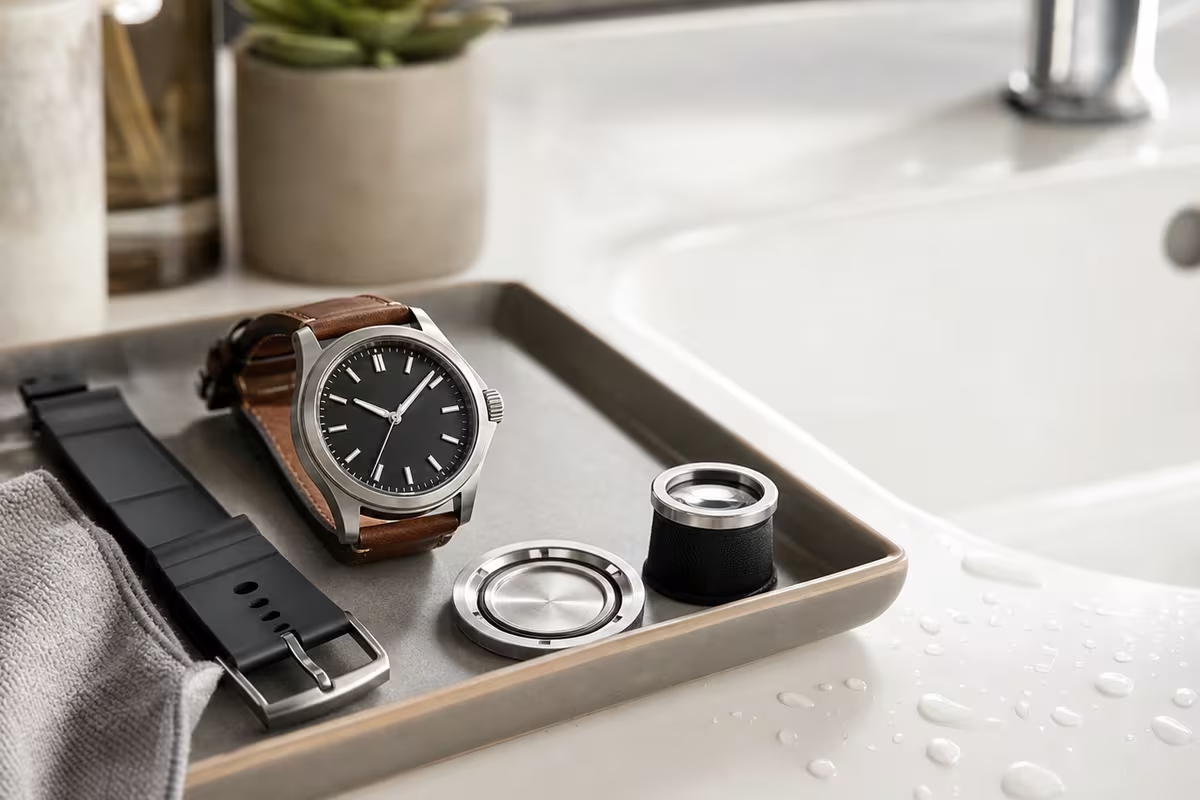
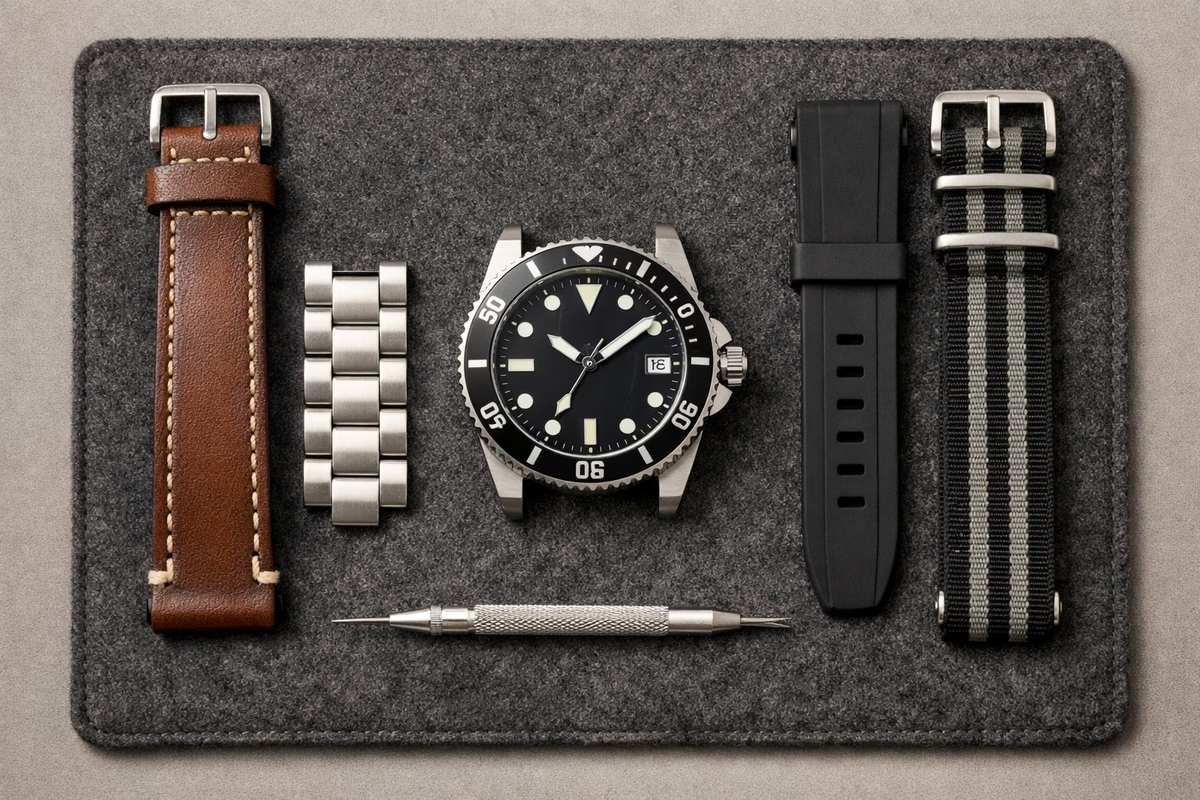
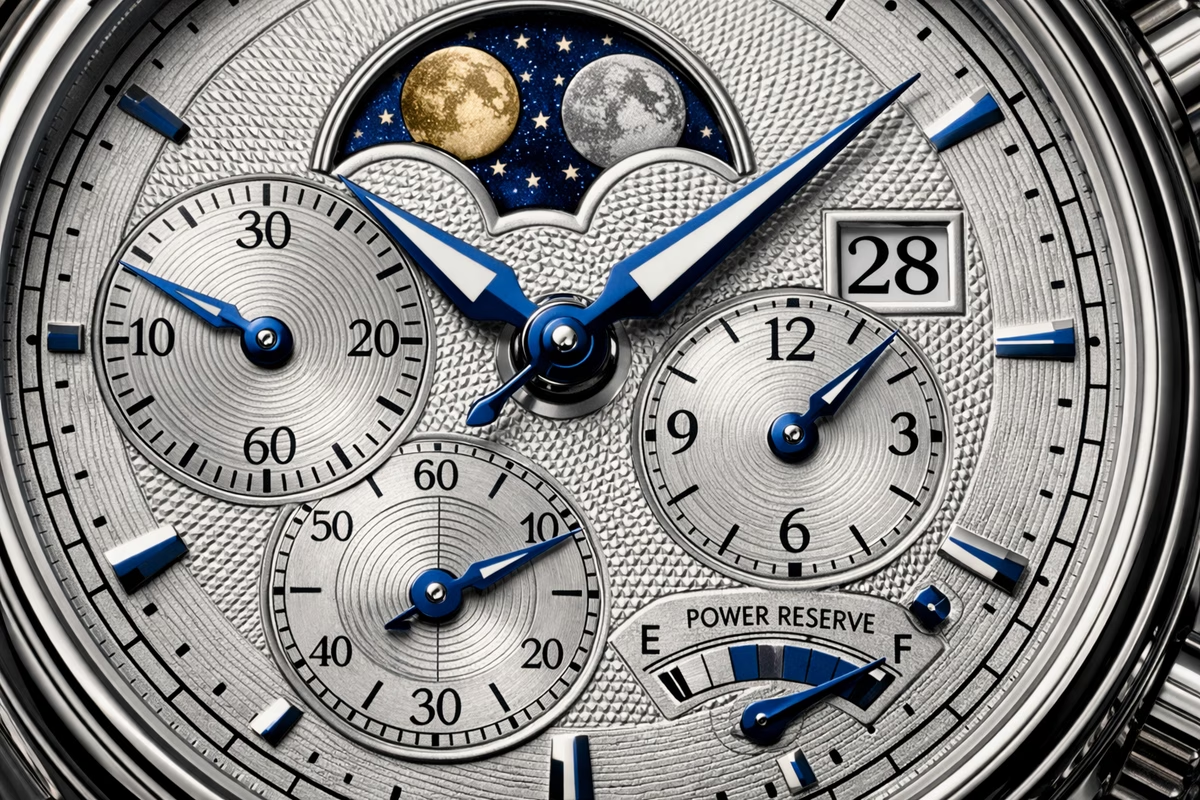
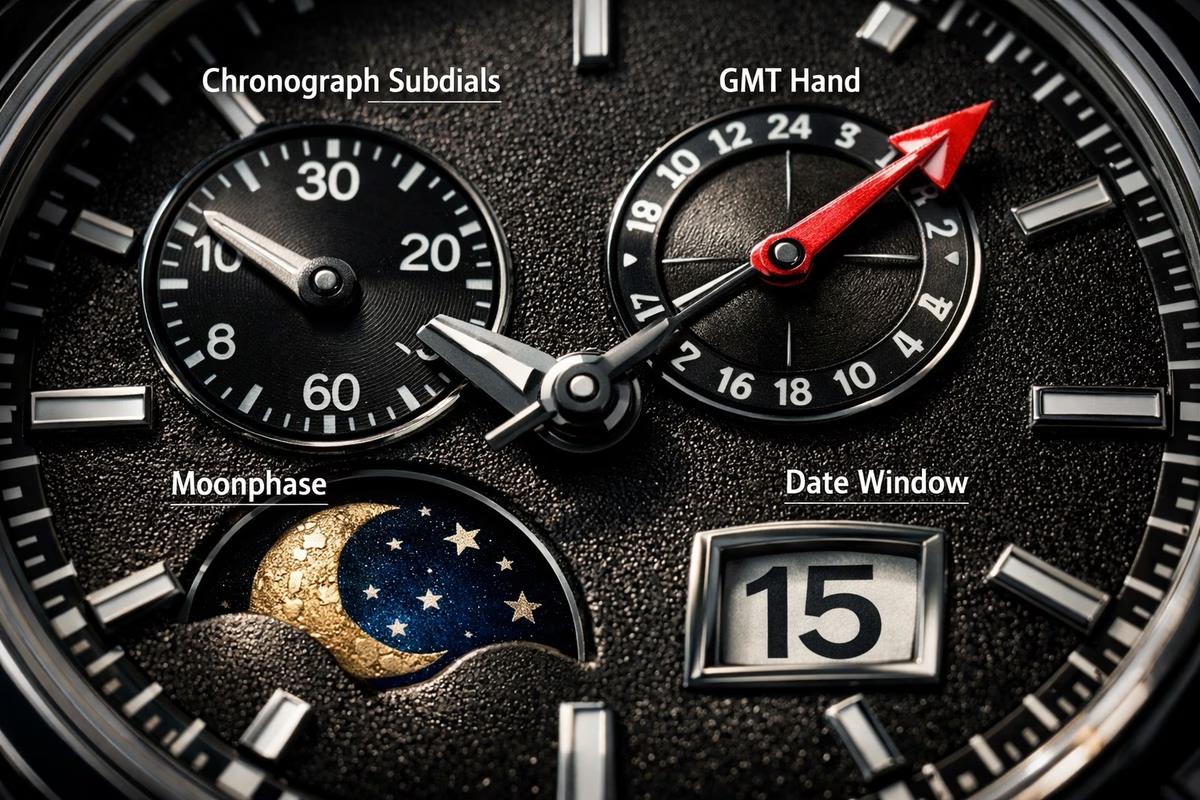
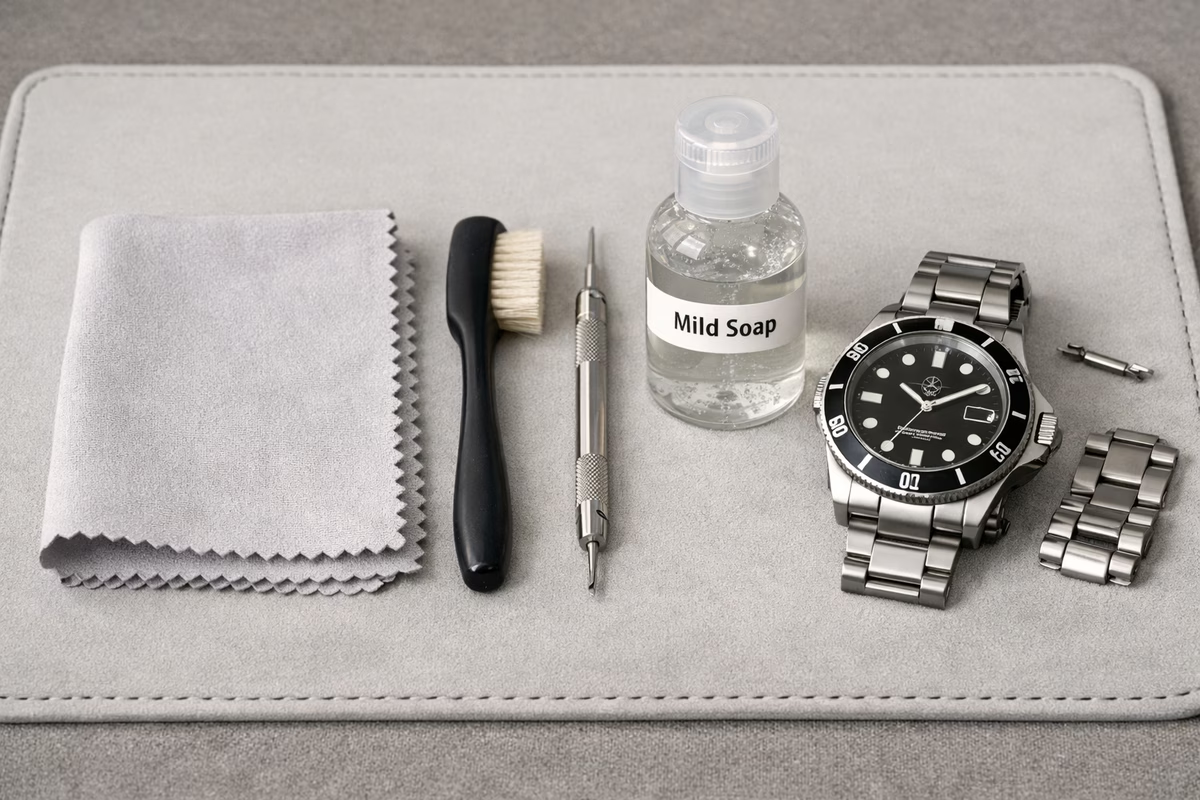
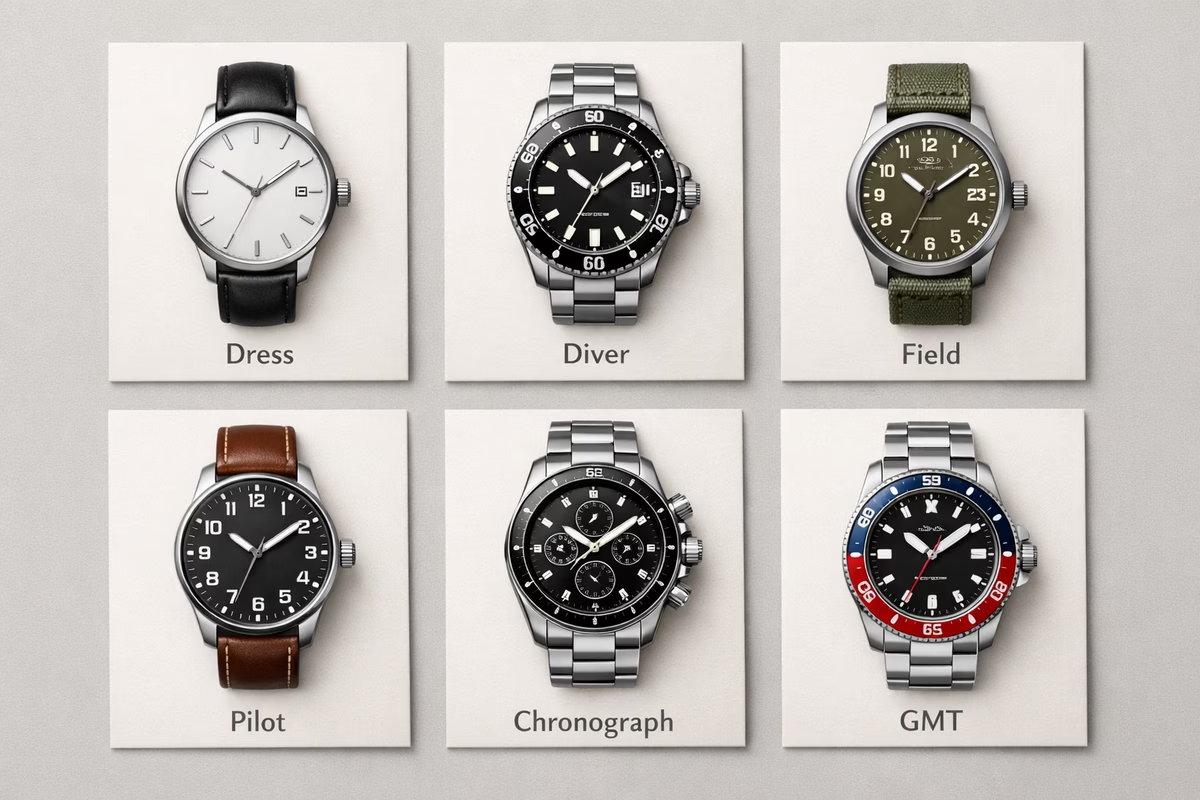
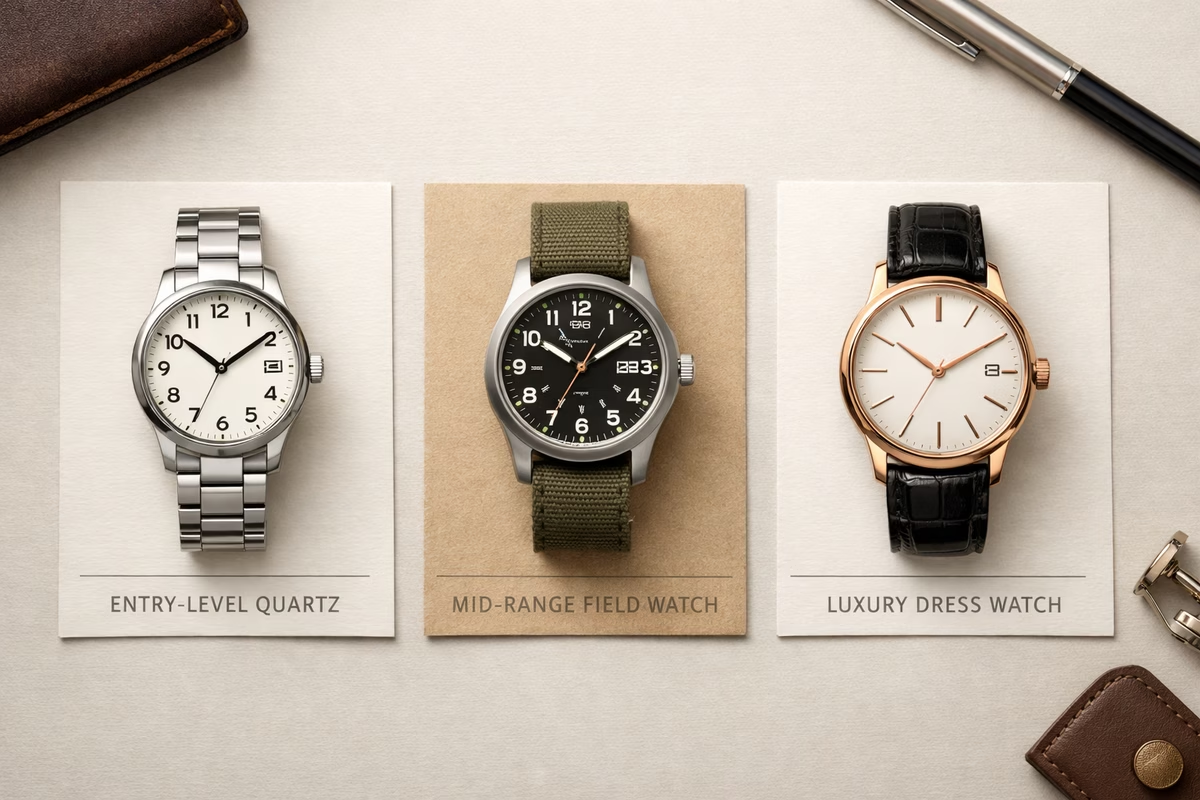
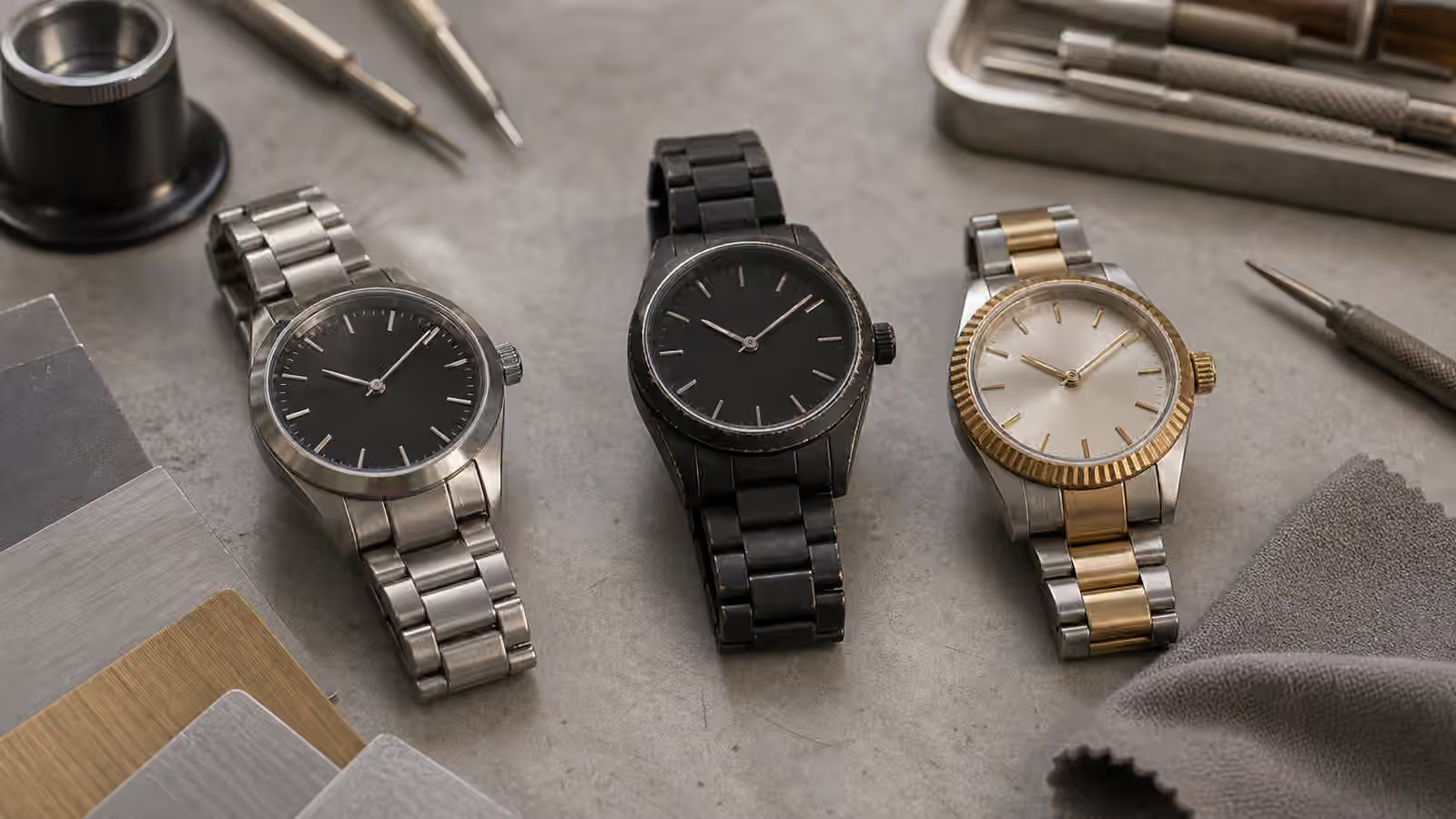
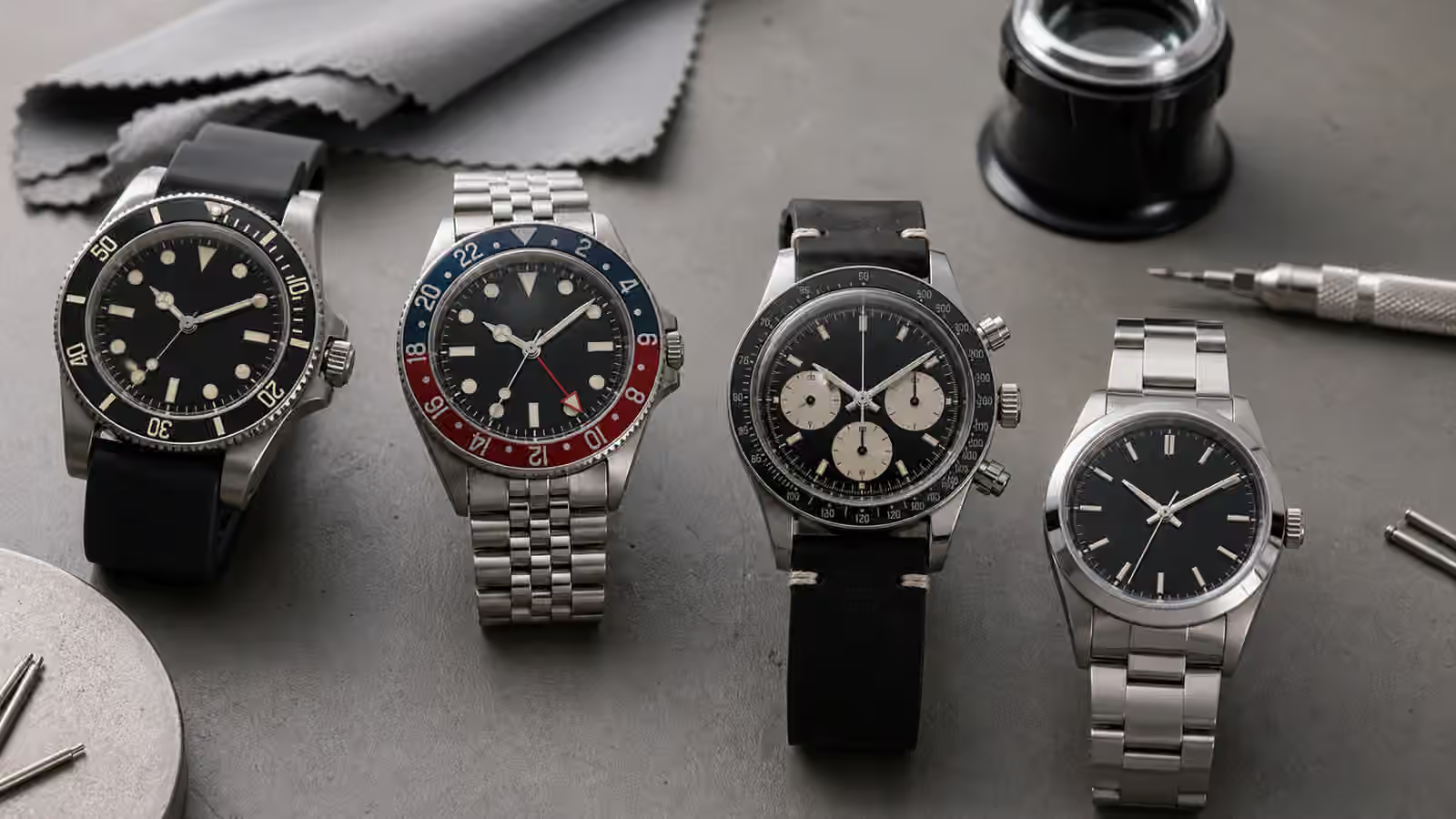
When you want to go deeper, Complications demystifies what the extra functions actually do (and which ones are worth living with), Watch styles gives you a visual vocabulary, Brands adds context, and Care keeps your watches looking and running their best. Watch Water Resistance in Everyday Life belongs with care because gaskets, crowns, straps, showers, pools, and pressure tests decide whether the rating on the caseback still means anything in real use.

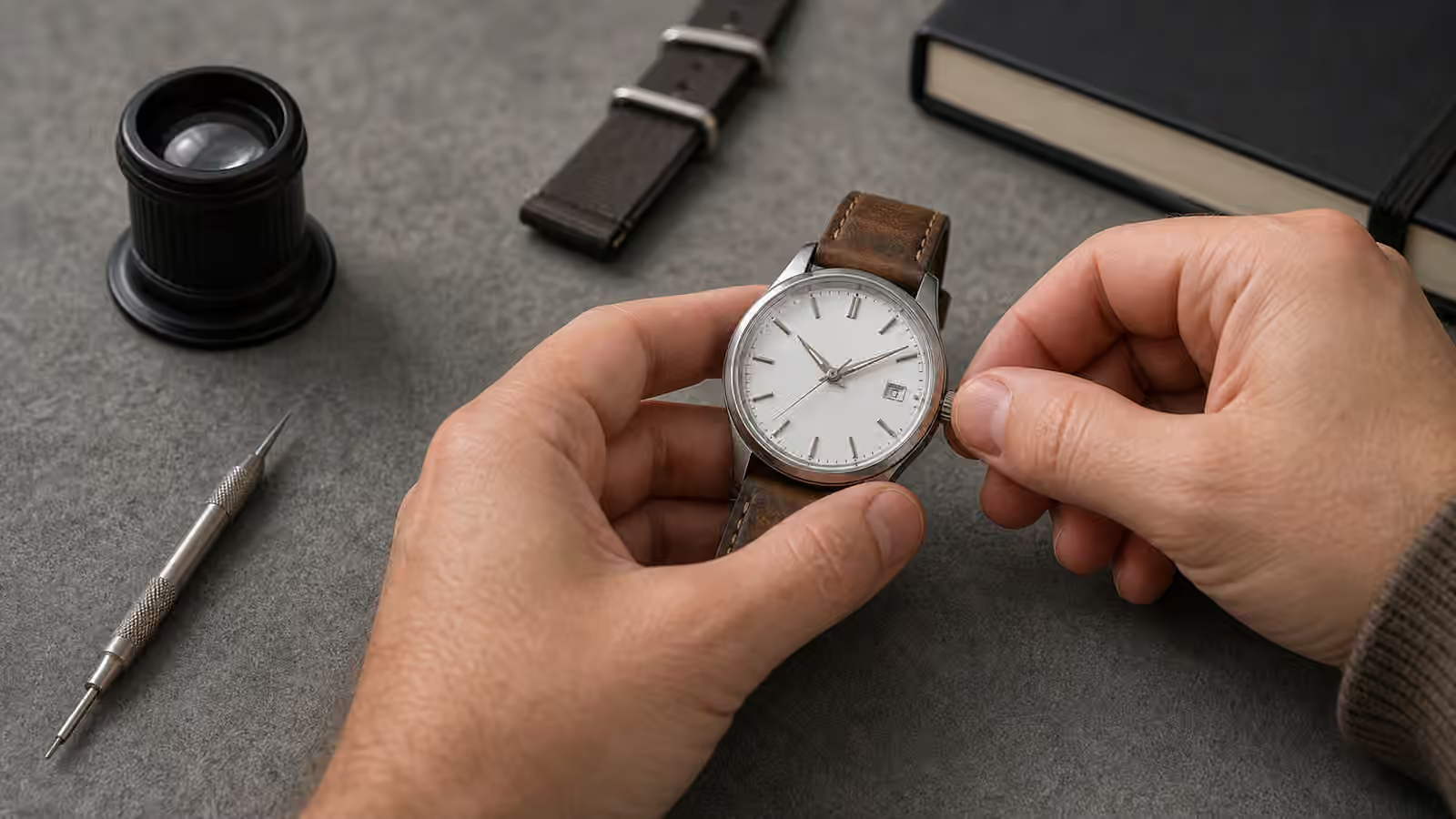
For a quick, low-stakes way to reinforce what you’re learning, pick one watch you own (or can try on) and re-read a guide with it in mind. The details land differently when you can feel the crown, the clasp, and the case on your wrist.
Reading Path

How To Use These Guidebooks

The Watches guidebook shelf is built for staged reading. Use the quickstart pages for orientation, then choose the narrower guide that matches the problem in front of you. The goal is not to make every page feel encyclopedic; it is to keep each decision legible enough that the next step is calmer and better documented.

When a page names a limitation, safety boundary, local rule, or professional-review point, treat that boundary as part of the guide rather than fine print. Fondsites guidebooks are written to make useful distinctions visible before a reader spends money, changes a setup, or relies on a confident but incomplete shortcut.
First Automatic Watch

Watch Collector's Guide

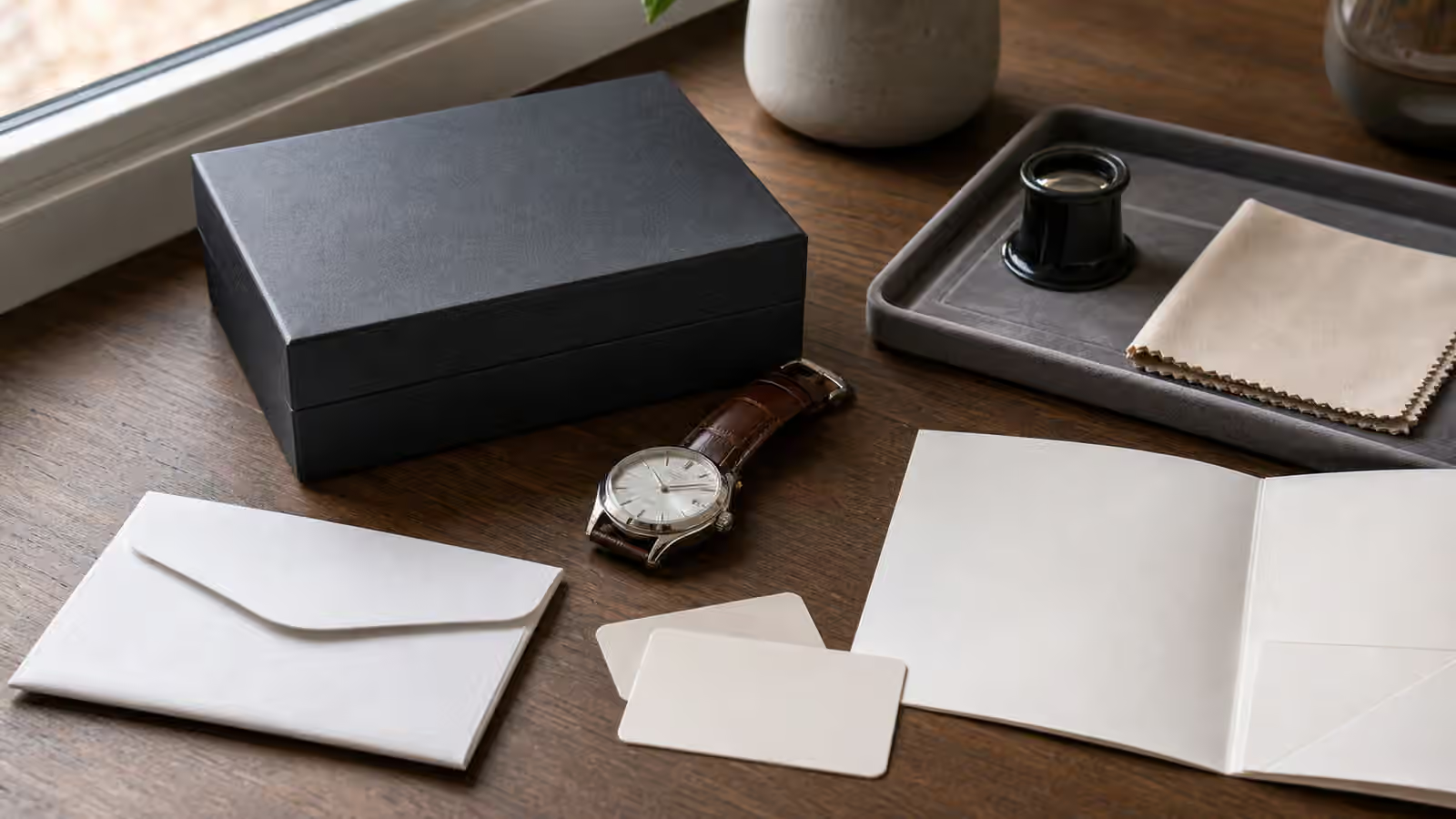
First Automatic Watch

A story about the first automatic watch.

Beginner 5 min read
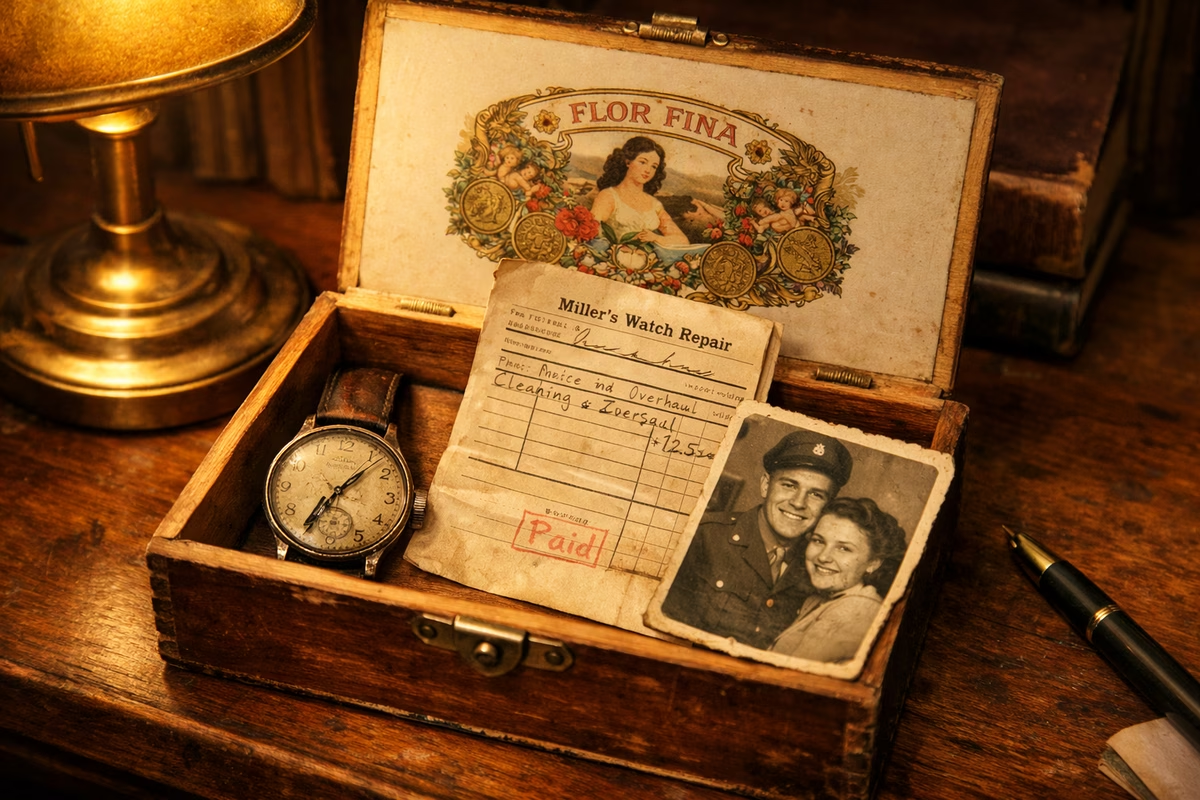
Inherited Watch Story

Watch Collector's Guide

Inherited Watch Story

A story about inheriting and wearing a family watch.

Beginner 5 min read
Watch Complications Guide

Watch Collector's Guide

Watch Complications Guide

A guide to common mechanical watch complications.

Intermediate 5 min read
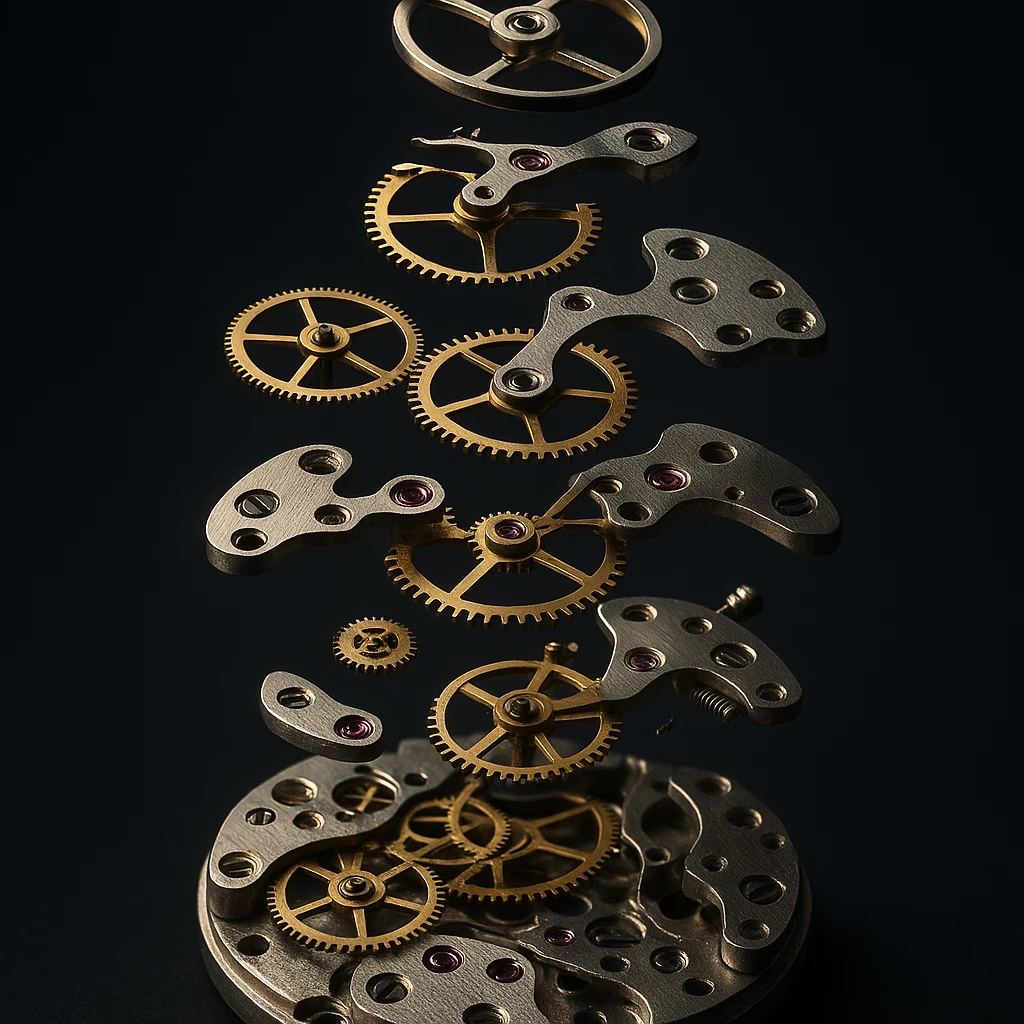
Understanding Watch Movements

Watch Collector's Guide

Understanding Watch Movements

Deep dive into mechanical, automatic, quartz, and specialty movements. Learn how watches actually work.

11 min read
Watch Care Guide

Watch Collector's Guide

Watch Care Guide

A guide to basic watch care and maintenance.

8 min read
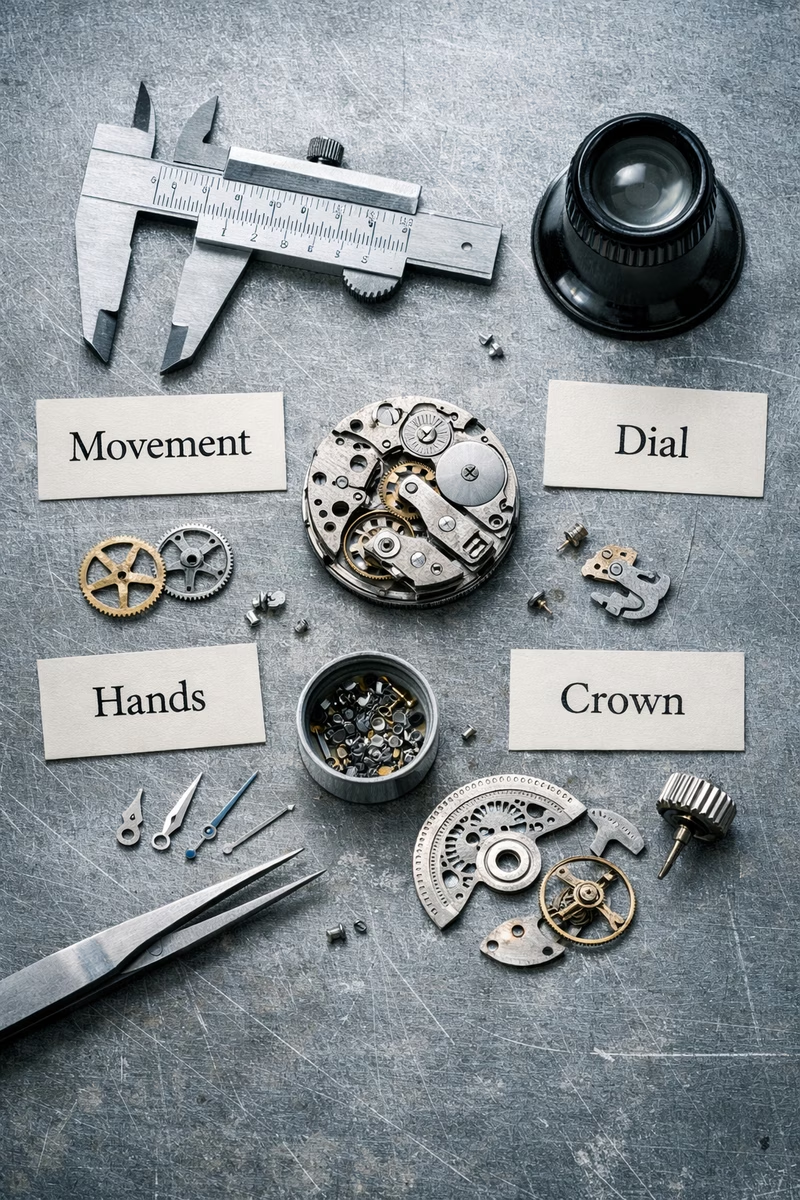
Watch Terminology Glossary

Watch Collector's Guide

Watch Terminology Glossary

Complete guide to watch terminology. Understand complications, movements, parts, and collector jargon.

10 min read