Welcome to the library of wine playbooks. Each guide distills an expert workflow into quick, mobile-friendly chapters so you can study between pours—and then immediately apply what you learned at the shop, at the table, or while opening a bottle at home.
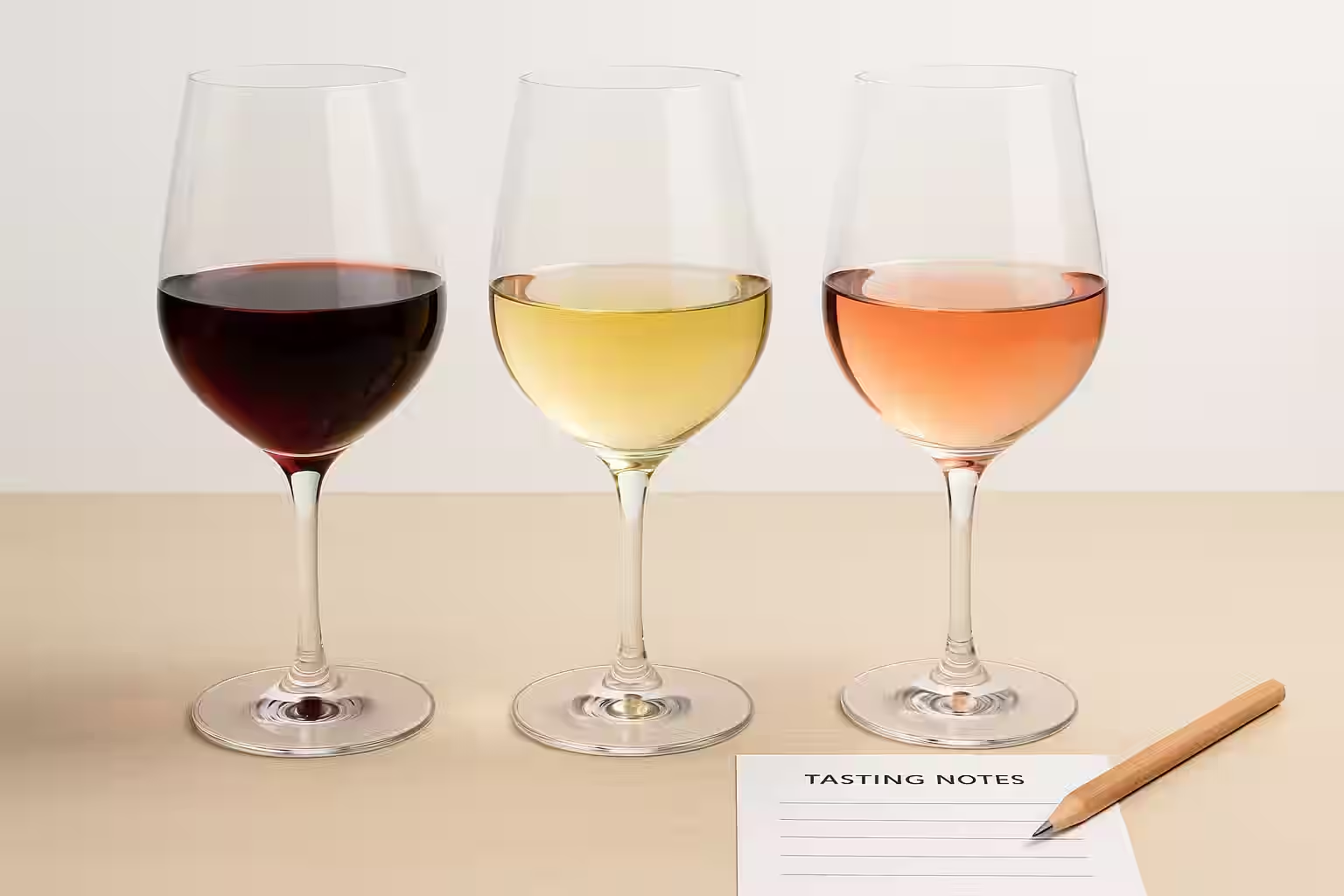
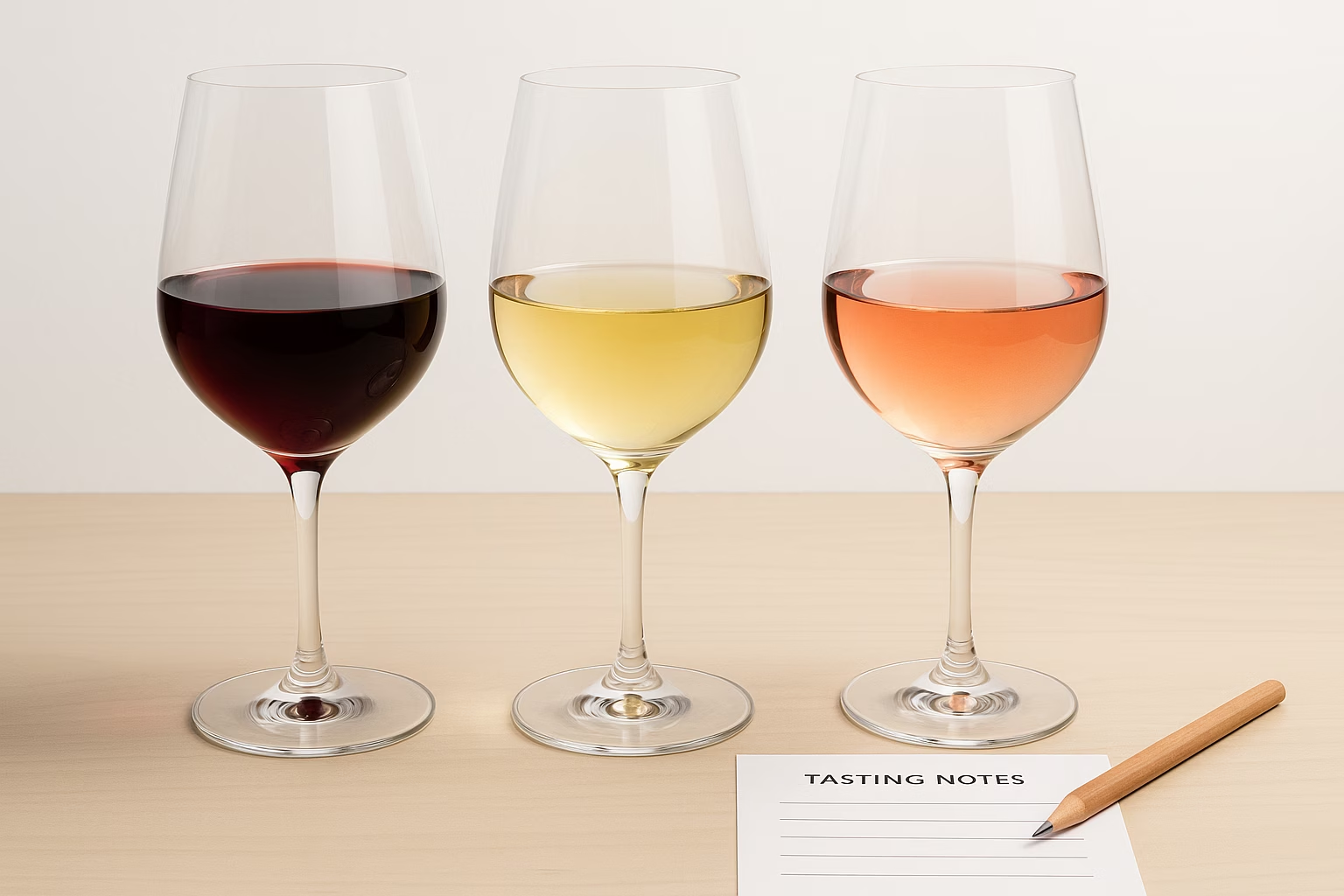
If you want a smooth beginning, start with Quickstart, then move into Wine Tasting 101 to build a vocabulary that’s accurate without being fussy. Try the method on two contrasting wines (one bright white, one structured red) and you’ll feel how acidity, tannin, and alcohol change the whole experience.
When you’re ready to put the knowledge to work, use Pairing with Modern Foods to make dinner easier, and Wine Storage and Serving to keep bottles tasting like themselves instead of “mystery warm” or “too cold to smell.”
For a high-impact skill that improves almost every bottle, read Serving Temperature and Decanting. For a shopping system you can reuse forever, use How to Buy Wine.
Deep dives
Regions & terroir
Travel-ready primers
Compact dossiers for Burgundy, Willamette, Stellenbosch, and beyond, with maps, benchmark bottles, and the fastest way to taste the region by the glass.
Cellar craft
Aging with purpose
From storage to decanting, keep bottles evolving beautifully with clear guardrails on temperature, light, vibration, and when to let a wine breathe.
How to use this library
Pick a route that matches your next real-life moment: shopping, cooking, or planning a bottle to age. Keep the guide open while you do it and write down one pattern you notice (a region that tastes “brighter” than expected, a pairing that suddenly clicks, a decant that softens tannin). Wine gets less confusing when your notes come from your own glass.