
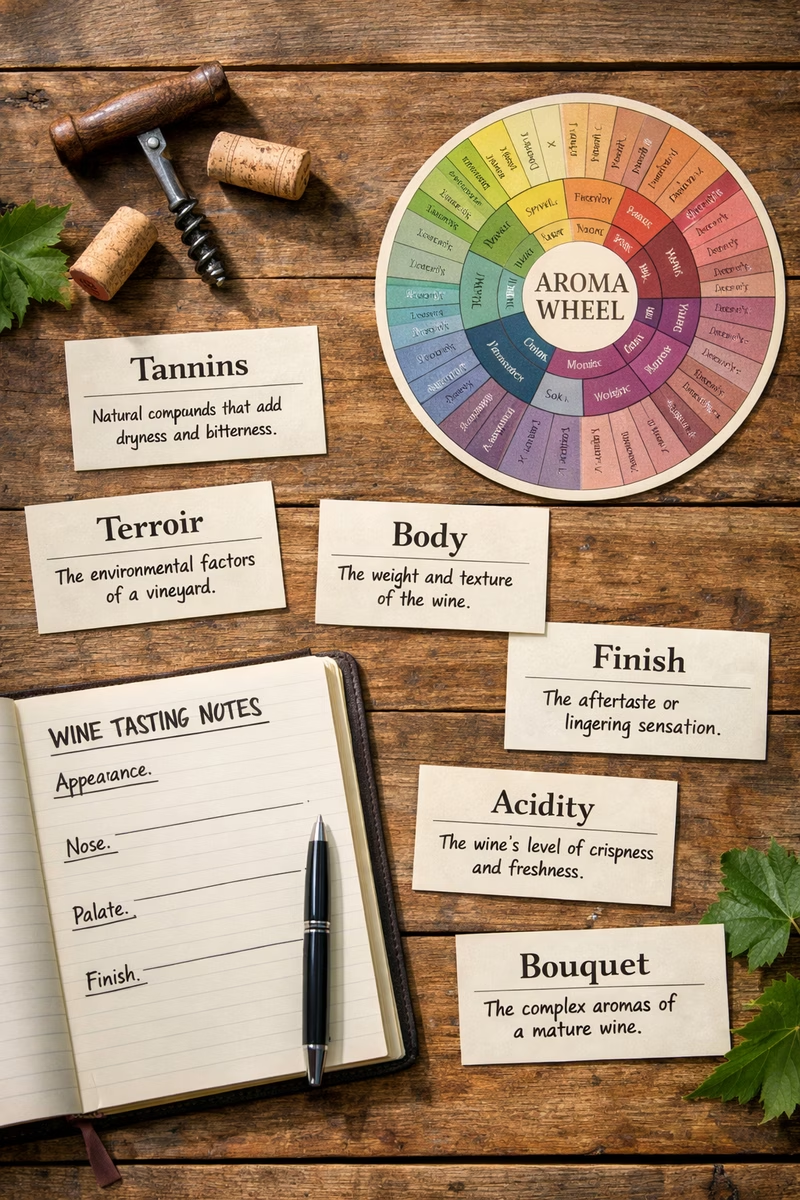
Wine Glossary
A quick reference for wine terms. Use it when a label or tasting note needs a plain answer.
A
Acidity: Natural acids in wine (tartaric, malic, citric) that provide freshness, crispness, and balance.
Aeration: Exposing wine to air to allow it to “breathe” and develop aromas.
Aftertaste: Flavors and sensations that linger after swallowing wine; also called “finish.”
Aging: Process of storing wine to develop complexity and improve quality over time.
Alcohol by Volume (ABV): Percentage of alcohol in wine, typically 12-15% for most table wines.
Appellation: Designated wine-growing region with specific regulations (AOC in France, AVA in USA, DOC in Italy).
Aroma: Scents derived from grapes themselves (vs. bouquet from aging).
Assemblage: Blending of different wines to create final product, especially in Champagne and Bordeaux.
Astringent: Drying, puckering sensation in mouth from tannins.
AVA (American Viticultural Area): Designated wine region in United States.
B
Balance: Harmonious relationship between acid, tannin, fruit, alcohol, and sweetness.
Barrel: Oak container used for aging wine, typically 225 liters (59 gallons).
Barrel Fermentation: Fermenting wine in oak barrels rather than stainless steel, adds complexity.
Biodynamic: Farming approach using organic methods plus lunar cycles and specific preparations.
Blanc de Blancs: Sparkling wine made entirely from white grapes (usually Chardonnay).
Blanc de Noirs: White or sparkling wine made from red grapes (skins removed before fermentation).
Blend: Wine made from multiple grape varieties.
Body: Weight and fullness of wine in mouth (light, medium, or full-bodied).
Botrytis/Noble Rot: Beneficial fungus that concentrates sugars in grapes, used for sweet wines (Sauternes, Tokaji).
Bouquet: Complex aromas developed through aging (vs. aroma from grapes).
Brettanomyces/Brett: Yeast that creates barnyard, Band-Aid aromas; polarizing—some love, some hate.
Brut: Dry sparkling wine (0-12 grams/liter residual sugar).
Bung: Stopper sealing oak barrel.
C
Carbonic Maceration: Fermentation technique where whole grapes ferment in CO2, creates fruity, low-tannin wines (Beaujolais).
Cava: Spanish sparkling wine made in traditional method.
Cellaring: Storing wine for aging.
Champagne: Sparkling wine from Champagne region of France; method used elsewhere called “traditional method.”
Chaptalization: Adding sugar to grape must before fermentation to increase alcohol (legal in some regions).
Château: French wine estate, especially in Bordeaux.
Claret: British term for red Bordeaux wine.
Classified Growth (Cru Classé): Bordeaux châteaux ranked in 1855 classification.
Climat: Specific vineyard parcel in Burgundy with unique terroir.
Clone: Genetic variation of grape variety propagated by cutting.
Closed: Wine not showing expected aroma/flavor, needs time to open up.
Clos: Walled vineyard, especially in Burgundy.
Complex: Wine with multiple layers of aromas and flavors.
Cork Taint: Musty, moldy smell from contaminated cork (TCA).
Corked: Wine spoiled by cork taint (not the same as having cork in wine).
Côte: Slope or hillside vineyard area.
Crisp: Wine with refreshing, pronounced acidity.
Cru: Growth; indicates specific vineyard quality level (Premier Cru, Grand Cru).
Crush: Grape harvest season; also breaking grape skins.
Cuvée: Specific blend or batch of wine, especially Champagne.
D
Decanting: Pouring wine from bottle to another container to aerate or separate from sediment.
Demi-Sec: Off-dry sparkling wine (32-50 grams/liter residual sugar).
Density: Concentration of flavor and structure.
Disgorgement: Removing sediment from Champagne bottle after second fermentation.
Domaine: Wine estate, especially in Burgundy.
Dosage: Sugar solution added to Champagne after disgorgement.
Dry: Wine with little to no residual sugar (under 4 grams/liter).
E
Earthy: Flavors/aromas of soil, mushroom, forest floor, leather.
Eiswein/Ice Wine: Sweet wine from grapes frozen on vine, concentrating sugars.
Elegant: Wine with finesse, balance, and refinement.
Enologist/Oenologist: Wine scientist or winemaker.
Estate Bottled: Wine made from grapes grown on winery’s own land.
Extract: Concentration of dissolved solids giving wine body and texture.
Extra Brut: Very dry sparkling wine (0-6 grams/liter residual sugar).
F
Fermentation: Conversion of grape sugars to alcohol by yeast.
Filtering: Removing particles from wine before bottling.
Finish: Aftertaste length and character after swallowing.
Fining: Clarifying wine by adding substance that binds particles (egg white, bentonite).
Flabby: Wine lacking acidity, tastes flat or boring.
Foudre: Large oak cask, much bigger than standard barrel.
Fortified Wine: Wine with added spirits (Port, Sherry, Madeira).
Free-Run Juice: Juice flowing from grapes before pressing, higher quality.
Fruit-Forward: Wine emphasizing ripe fruit flavors.
G
Grand Cru: Highest vineyard classification in Burgundy and Alsace.
Grip: Textural sensation from tannins, provides structure.
Grower Champagne: Champagne made by vineyard owner (vs. large house).
H
Harvest: Picking ripe grapes, also called “vintage.”
Herbaceous: Herbal, grassy aromas and flavors.
Hot: Wine with excessive alcohol creating burning sensation.
I
IGT (Indicazione Geografica Tipica): Italian wine classification below DOC.
Integrated: Well-balanced wine where no component dominates.
J
Jammy: Very ripe, concentrated fruit flavors, almost cooked.
Jeroboam: Large bottle, 3 liters (4 standard bottles).
K
Kosher: Wine made according to Jewish dietary laws.
L
Label: Information on bottle describing wine, origin, vintage, producer.
Late Harvest: Wine from grapes picked very ripe, often sweet.
Lees: Dead yeast cells settling after fermentation; aging sur lie adds richness.
Legs: Wine streaks running down glass after swirling, indicates alcohol or sugar content.
Length: How long flavors persist after swallowing.
Lieu-Dit: Named vineyard plot in Burgundy, below Premier Cru.
M
Maceration: Skin contact with juice during/after fermentation, extracts color, tannin, flavor.
Maderized: Oxidized wine taking on Madeira-like character (usually a fault unless intentional).
Magnum: Large bottle, 1.5 liters (2 standard bottles).
Malolactic Fermentation (MLF): Secondary fermentation converting sharp malic acid to softer lactic acid, adds buttery character.
Méthode Champenoise/Traditional Method: Sparkling wine production method with second fermentation in bottle.
Minerality: Sense of stones, rocks, or minerals in wine (controversial term).
Moelleux: Off-dry to sweet Loire wine.
Monopole: Single-ownership vineyard.
Mousse: Bubbles in sparkling wine.
Must: Crushed grapes before/during fermentation.
N
Natural Wine: Wine made with minimal intervention, often no added sulfites.
Négociant: Wine merchant who buys grapes or wine from producers, especially in Burgundy.
New World: Wine regions outside traditional European areas (USA, Australia, South America, etc.).
Noble Grapes: Classic varieties (Cabernet Sauvignon, Merlot, Pinot Noir, Chardonnay, Sauvignon Blanc, Riesling).
Nose: Overall aroma and bouquet of wine.
NV (Non-Vintage): Wine blended from multiple years, common in Champagne.
O
Oaked: Wine aged in oak barrels, adds vanilla, toast, spice flavors.
Off-Dry: Slightly sweet wine (4-12 grams/liter residual sugar).
Old Vines: Vines typically 30+ years old, produces more concentrated fruit (no legal definition).
Old World: Traditional European wine regions (France, Italy, Spain, Germany, etc.).
Organic: Grapes grown without synthetic pesticides or fertilizers.
Oxidation: Exposure to air; can be intentional (Sherry) or fault (spoilage).
P
Passito: Italian wine from dried grapes, concentrated and sweet.
Pétillant: Lightly sparkling wine.
Phenolics: Compounds from skins/seeds including tannins and color.
Phylloxera: Vine louse that devastated European vineyards in 1800s.
Pomace: Grape skins, seeds, stems remaining after pressing.
Premier Cru: First growth; top classification below Grand Cru in Burgundy.
Press Wine: Wine from pressed grapes after free-run juice, more tannic.
Q
Quinta: Portuguese wine estate, especially in Port production.
R
Racking: Transferring wine from one barrel to another, leaving sediment behind.
Reserve: Term implying special quality (no legal definition in most regions).
Residual Sugar (RS): Unfermented sugar remaining in wine.
Riddling: Gradually rotating Champagne bottles to move sediment to neck for disgorgement.
Robe: Visual appearance of wine, color and clarity.
Rootstock: Root system onto which fruiting vine is grafted (often phylloxera-resistant).
Rosé: Pink wine from brief skin contact with red grapes.
Round: Smooth, full wine with balanced acidity and tannins.
S
Sec: Dry (but in Champagne, sec means off-dry: 17-32 g/L sugar).
Secondary Aromas: Aromas from fermentation and winemaking (oak, butter, bread).
Sediment: Solid particles settling in wine, especially aged reds.
Single Vineyard: Wine from one specific vineyard site.
Sommelier: Wine professional, especially in restaurants.
Spumante: Italian sparkling wine.
Structure: Framework of acidity, tannins, alcohol, and body.
Sulfites/SO2: Preservative added to most wines (also naturally occurring).
Super Tuscan: High-quality Italian wine outside traditional DOC regulations, often using Bordeaux grapes.
Sur Lie: “On the lees”; aging wine with dead yeast for added richness and complexity.
T
Table Wine: Basic quality level wine, everyday drinking.
Tannin: Phenolic compound from skins, seeds, stems, and oak creating astringent, drying sensation.
Tartrates: Harmless crystals (cream of tartar) sometimes forming in bottle.
TCA (Trichloroanisole): Chemical compound causing cork taint.
Terroir: Complete environment where grapes grow (soil, climate, topography, tradition).
Tertiary Aromas: Aromas from aging (leather, tobacco, earth, dried fruit).
Thin: Wine lacking body or concentration.
Toast: Charring inside oak barrel creating toasted flavors in wine.
Typicity: How well wine represents its grape variety or region.
U
Ullage: Air space in wine bottle or barrel; too much indicates possible oxidation.
Unfiltered: Wine bottled without filtration, may contain sediment.
Unoaked: Wine fermented/aged in stainless steel or concrete, no oak influence.
V
Varietal: Wine named for primary grape variety (75%+ in US).
Vegetal: Plant-like aromas (bell pepper, grass); can be positive or negative.
Vendange Tardive: Late harvest (French).
Veraison: Ripening stage when grapes change color.
Vignoble: Vineyard area.
Vigneron: Vineyard owner/manager who makes wine.
Village Wine: In Burgundy, wine from specific village appellation.
Vin de Pays: Country wine (France), now IGP.
Vinification: Winemaking process.
Vintage: Year grapes were harvested; also harvest itself.
Viticulture: Grape growing science and practice.
Vitis Vinifera: Species of wine grape.
W
Weight: Sensation of body and fullness in mouth.
Wine Fault: Flaw in wine (cork taint, oxidation, volatile acidity, etc.).
Winemaker: Person responsible for turning grapes into wine.
X
(No common wine terms begin with X)
Y
Yeast: Microorganism converting sugar to alcohol during fermentation.
Yield: Amount of grapes harvested per acre/hectare (lower often means higher quality).
Z
Zymology: Science of fermentation.
Quick Reference: Abbreviations
- AOC = Appellation d’Origine Contrôlée (France)
- AVA = American Viticultural Area
- DOC = Denominazione di Origine Controllata (Italy)
- DOCG = Denominazione di Origine Controllata e Garantita (Italy, highest)
- IGP = Indication Géographique Protégée
- PDO = Protected Designation of Origin
- PGI = Protected Geographical Indication
- RS = Residual Sugar
- SO2 = Sulfur Dioxide
- TCA = Trichloroanisole (cork taint)
- VA = Volatile Acidity
- VdP = Vin de Pays
The 5 S’s (Wine Tasting)
- See: Visual examination
- Swirl: Aerate wine in glass
- Sniff: Smell aromas
- Sip: Taste wine
- Savor: Evaluate finish and overall impression
Use this glossary when you need a term checked fast. It can help with labels, tasting notes, and wine lists.
How to use this glossary
A glossary is most useful when it is read in small passes, not swallowed whole. Start with the word that blocked your understanding, then read the neighboring terms before returning to the main guide. The surrounding entries often reveal the system behind the definition.
Use the definitions as handles, not as final expertise. A short entry can point you toward a technique, ingredient, tool, material, region, process, or safety question that deserves a longer guide later. If a term changes what you would buy, serve, build, taste, or maintain, pause long enough to check the fuller context.
It also helps to keep personal notes beside formal words. Write the term in your own language after you use it. A definition becomes real when it helps you notice something in a shop, kitchen, workshop, cellar, tasting room, or project.
Return to this page after reading deeper guides. Terms that seemed abstract at first often become clearer after one practical experience. That back-and-forth is the point: the glossary gives you a map, and the rest of the topic gives the map texture.
Practice notes for this page
Pick three entries or ideas from Wine Glossary and connect each one to something concrete. One might change what you buy, one might change what you notice, and one might simply give a better name to a thing you already understood.
Then say each idea in your own words. If the explanation becomes shorter and clearer, the page is doing its job. If it becomes more confusing, follow the term into a fuller guide before relying on it.
Use the page again after a real experience. A tasting, build, purchase, recipe, pour, service visit, or design decision will make some definitions feel obvious and reveal others that need more context.
This back-and-forth keeps reference material from becoming a static list. The entries become useful when they help you act with more care, ask a better question, or describe an experience more accurately.