A wine collection starts the moment you buy a bottle and do not open it tonight.
Maybe you saved a bottle for later. Maybe someone gave you one that felt too good for a random Tuesday. Maybe you bought a case because you want to taste it again later.
That is a collection. Not a cellar full of trophy bottles. Just wine you plan to drink later.
This guide is about building a collection that fits your life without turning it into homework.
The collector’s first question: why collect at all?
Collecting wine usually serves three purposes. Knowing which one matters to you helps.
1. Convenience
Having wine at home means you always have something for dinner or guests. A small collection saves you from last-minute shopping.
This is the most practical reason to collect, and a small rotating group of bottles is enough.
2. Aging
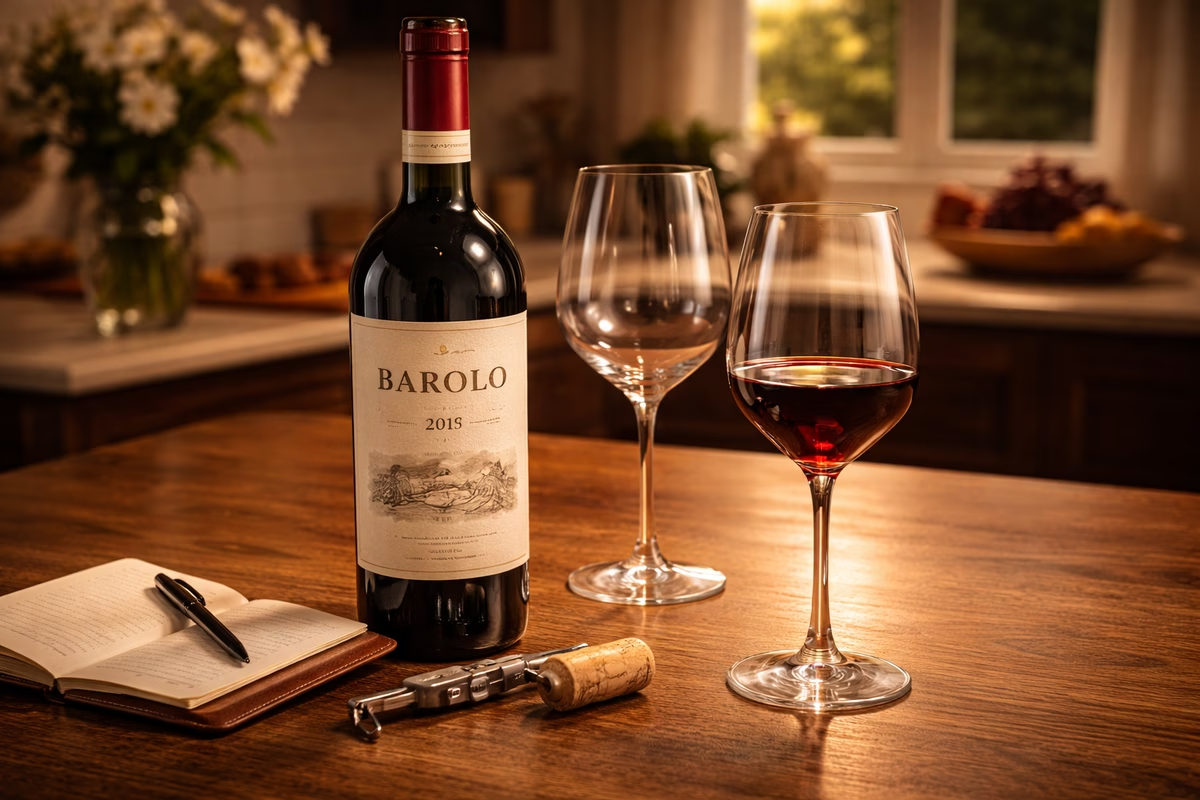
Some wines improve with time. A young Barolo can soften and open up. A good Riesling can change in interesting ways.
If aging interests you, you need proper storage and patience.
3. Exploration
A collection lets you compare vintages, track how wine changes, and learn what you like.
Building the foundation: the 12-bottle start
If you are starting from zero, aim for a core of 12 bottles that cover the basics.
The framework
| Category | Bottles | Purpose |
|---|---|---|
| Everyday red | 3 | Dinner, casual drinking |
| Everyday white | 3 | Weeknight meals, warm weather |
| Sparkling | 2 | Celebrations, aperitif, versatile food wine |
| Age-worthy red | 2 | Lay down for 3–10 years |
| Special occasion | 1 | The bottle you open when it matters |
| Wildcard | 1 | Something unfamiliar, like a new region, grape, or style |
This is a starting point. Adjust it to your own habits.
Choosing the everyday bottles
Your everyday wines should be:
- Easy to enjoy. You should not need to overthink them.
- Food-friendly. Keep the body moderate and the acidity useful.
- Affordable enough to open often. If you hesitate to open it, it is not an everyday bottle.
Good everyday categories: Côtes du Rhône, Chianti Classico, Portuguese reds, Spanish Garnacha (reds); Muscadet, Grüner Veltliner, Vermentino, dry Riesling (whites).
Choosing the age-worthy bottles
Not all wine benefits from aging. The bottles worth cellaring usually share a few traits:
- High acidity (acid acts as a preservative)
- Firm tannins (tannins soften over time, adding complexity)
- Concentrated fruit (fruit fades with age; if it’s thin now, it’ll be hollow later)
- Good structure (balance between acidity, tannin, fruit, and alcohol)
Classic age-worthy wines include Bordeaux, Barolo, Barbaresco, Brunello, Northern Rhône Syrah, vintage Champagne, German Riesling, and Vintage Port.
You do not need the most expensive bottle from those regions.
Storage: the non-negotiable
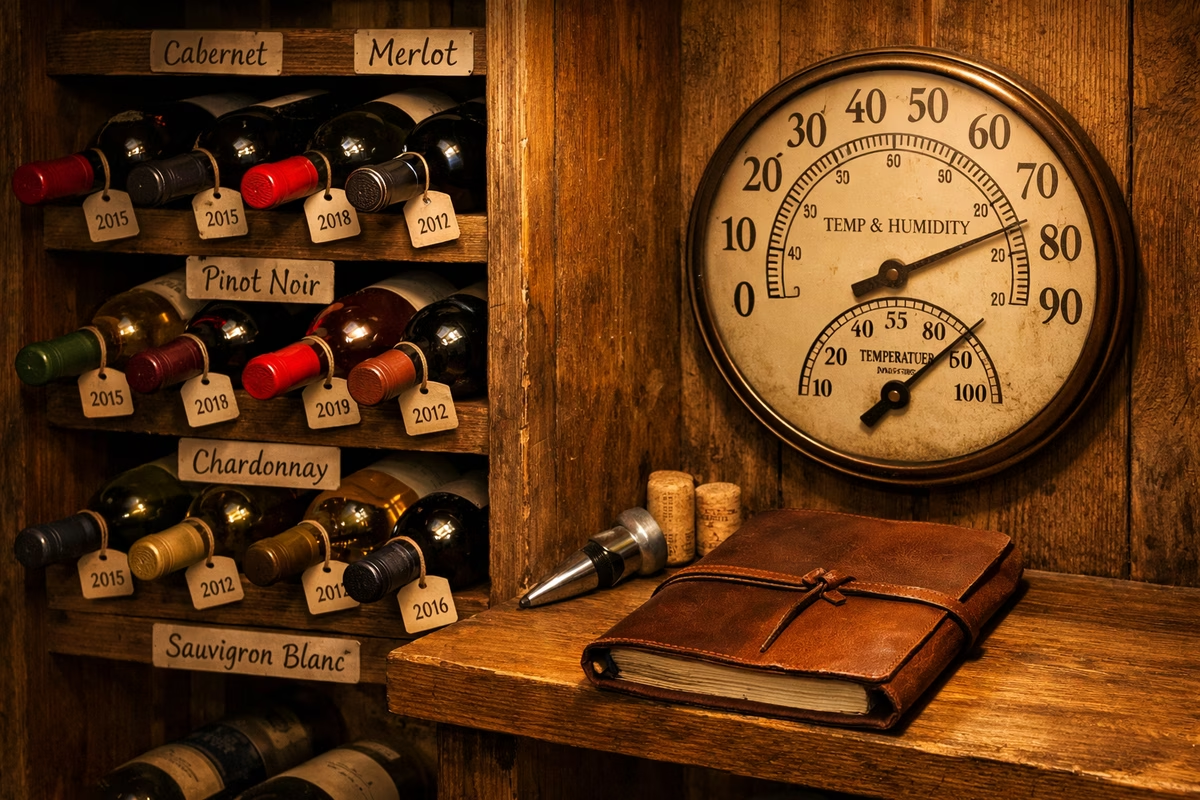
Wine is fragile. Heat, light, vibration, and temperature swings all hurt it.
The rules
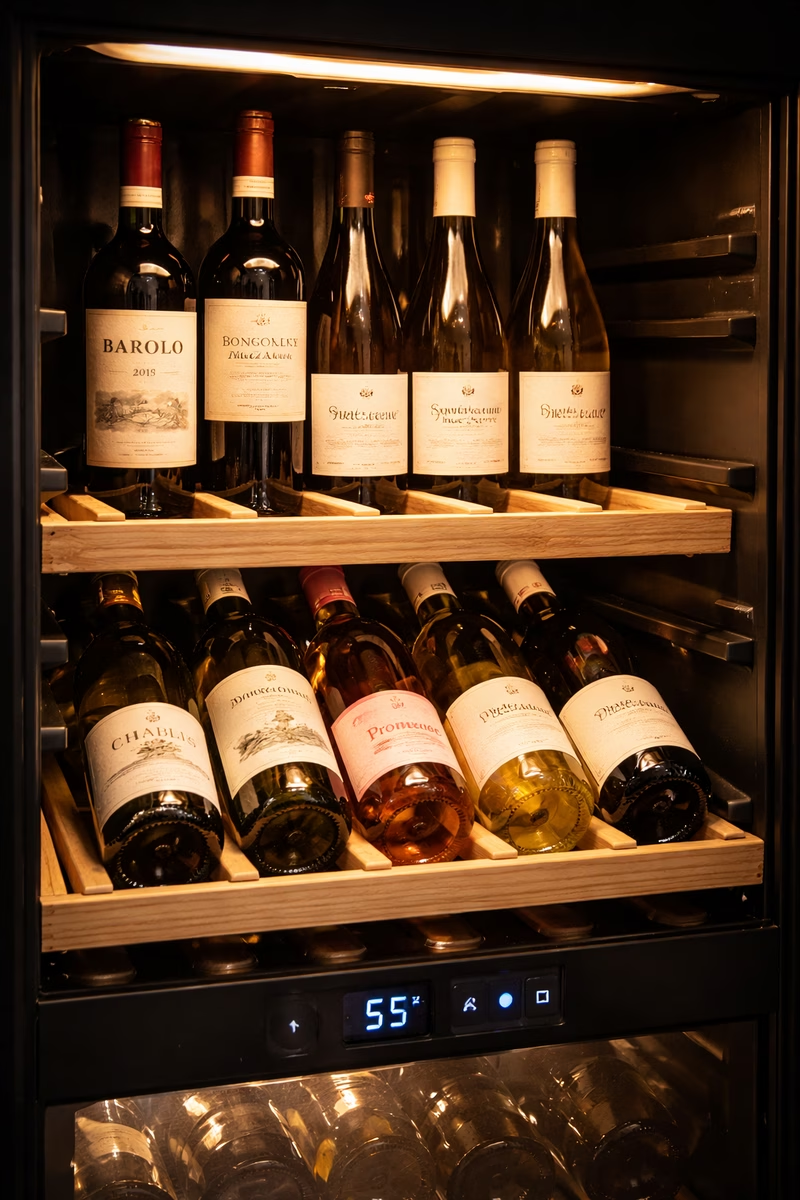
- Temperature: Around 55°F is ideal.
- Consistency: A steady temperature matters more than the exact number.
- Humidity: Moderate humidity is best for long-term storage.
- Darkness: Keep bottles out of direct light.
- Orientation: Corked bottles should lie on their sides.
Storage options by budget
Free: a cool closet. Fine for short-term storage.
$200–$500: a wine fridge. The best first upgrade for most people.
$500–$2,000: a larger cabinet. Good if you want more space.
$2,000+: a dedicated cellar. Only for serious collectors.
Tracking what you have
Once you have more than a dozen bottles, you will forget what is in there.
Simple tracking
A spreadsheet or note with five columns:
- Wine name (producer, wine name, vintage)
- Date purchased
- Price paid
- Drink window (when to open it)
- Notes (one line: why you bought it, who recommended it)
Apps
Several wine apps can help, but the best system is the one you will actually use.
The “drink by” discipline
For every bottle you add, decide when you plan to drink it. Use a window, not a date.
This keeps you from holding onto wine so long that it misses its best window.
Growing the collection: what to add next
Once your foundation is solid, grow from curiosity, not a checklist.
Verticals
Buy the same wine from three consecutive vintages. Tasting them side by side teaches you a lot.
Horizontals
Buy different wines from the same region and vintage. That shows you producer style.
The “one for now, one for later” rule
When you find a wine you love, buy two bottles if you can. Drink one now and save one for later.
Buying in quantity
When you find something good at a fair price, buying a case can make sense.
Common mistakes
Collecting what you think you should. Buy wine you like.
Storing wine in the kitchen. It is usually too warm and too bright.
Never opening anything. The point is to drink the wine.
Buying more than you can store. Bad storage ruins good bottles.
Ignoring the everyday wine. Keep bottles in rotation.
The long view
A wine collection changes as your taste changes.
The best collections are just a record of what you want to drink next.
Start with twelve bottles. Store them well. Drink them. Replace them with something a little different.
Next steps
- Read Wine Storage Guide for detailed storage conditions and equipment
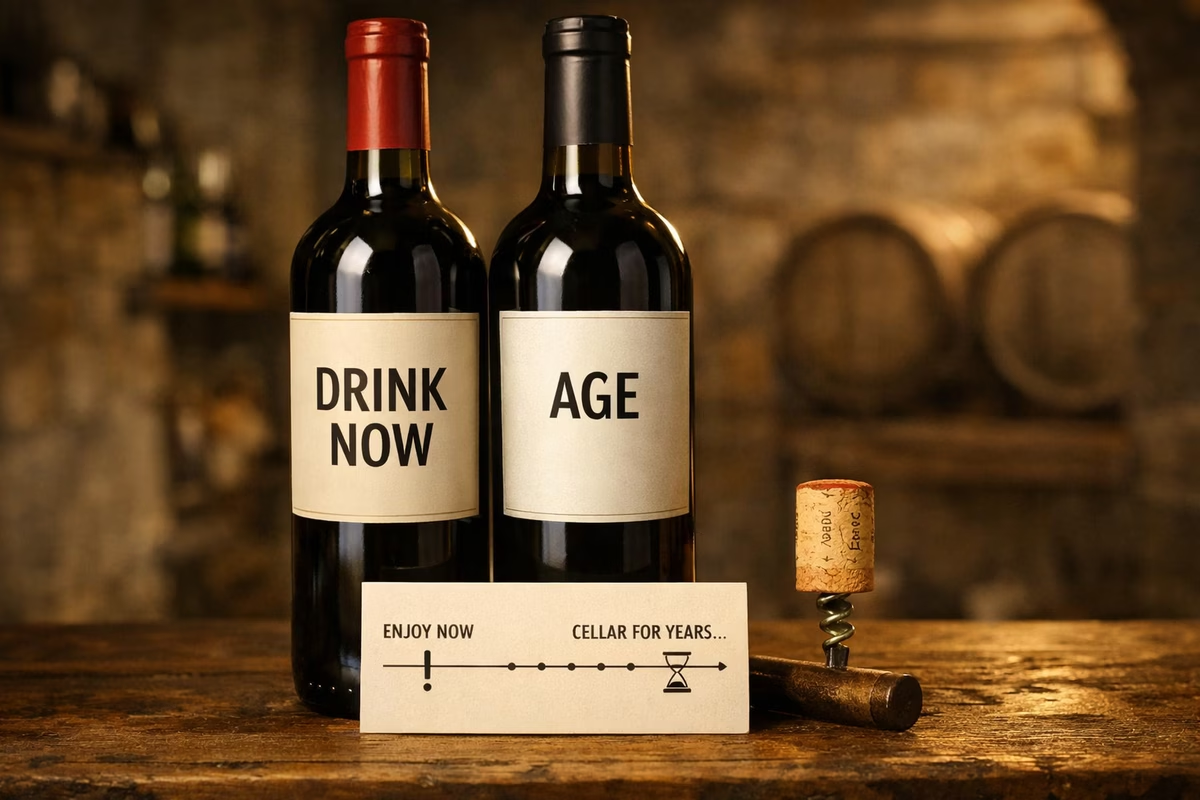
- See Aging vs. Drinking Now for deciding which bottles to cellar and which to enjoy immediately
- Explore World Wine Regions Guide for finding new regions to explore
- Try How to Buy Wine for shopping strategies that feed your collection
- Read Your First Really Good Bottle for the experience that starts most collections
Let the idea meet a bottle
After reading Wine Collecting Guide, choose one bottle or one restaurant glass that lets you test the idea without pressure. Wine concepts become useful when they change serving temperature, pairing, glass choice, storage, buying confidence, or the words you use to describe what you taste.
Keep the note short. Name the structure, the food, the setting, and whether the wine improved as it opened. That is often more helpful than a long list of borrowed aromas.
If the lesson involves collecting, age, storage, or value, slow down even more. Wine can be fragile, and good intentions can still become heat damage, clutter, or overspending without a plan.
The point is to make the next pour more generous and more informed. Pleasure stays at the center.
Practice notes for this page
Pick three entries or ideas from Wine Collecting Guide and connect each one to something concrete. One might change what you buy, one might change what you notice, and one might simply give a better name to a thing you already understood.
Then say each idea in your own words. If the explanation becomes shorter and clearer, the page is doing its job. If it becomes more confusing, follow the term into a fuller guide before relying on it.
Use the page again after a real experience. A tasting, build, purchase, recipe, pour, service visit, or design decision will make some definitions feel obvious and reveal others that need more context.
This back-and-forth keeps reference material from becoming a static list. The entries become useful when they help you act with more care, ask a better question, or describe an experience more accurately.